
Public Art
Art Museum Sculpture Commissioning: From Concept to Exhibition Guide
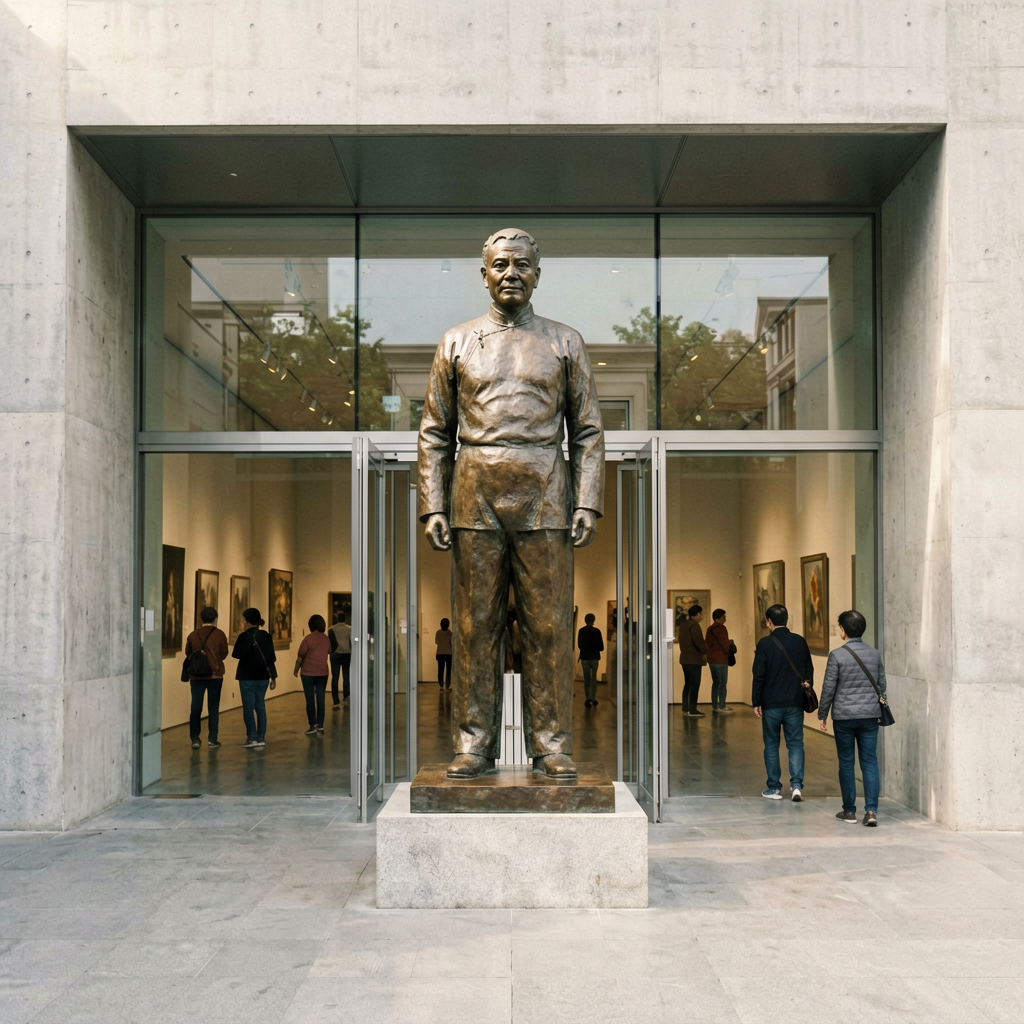
“Our museum is planning a new wing — what’s the actual process for commissioning a permanent sculpture installation?” It is a question curators and museum directors ask in r/artmuseum and r/publicart more often than you would think. An art museum sculpture commission carries higher stakes than a city square project, because the work becomes part of the institution’s collection, its brand, and its conservation program all at once.
This guide walks through a museum sculpture commission from curatorial vision to exhibition opening, written from the institution’s perspective rather than a factory’s. You will see how curators select artists, how museum-grade requirements shape the brief, how funding gets assembled, and how long the whole journey realistically takes.
Phase 1: Curatorial Vision and Theme Development
Every museum sculpture commission starts with the collection and the building, not the artist. Curators define what the new piece must add: a dialogue with an existing gallery, a statement at a new wing’s entrance, or a response to the institution’s mission.
A written curatorial brief captures the theme, scale, material constraints, and the story the sculpture must tell. For a gallery art installation or a museum public art program, that brief is the foundation every later decision builds on.
Phase 2: Artist Selection — Call for Proposals vs Direct Commissio
Museums choose between two routes. A call for proposals opens the project to a broad pool and suits museums that want fresh voices or community representation. A direct commission works when a curator has a specific artist in mind whose work already dialogues with the collection.
Selection committees typically include the curator, a conservation specialist, an architect, and often a community representative. They judge proposals on artistic merit, feasibility, and how the piece will age within the building’s climate and lighting.
Phase 3: Design Review and Community Feedback
Once an artist is chosen, a scaled maquette or full design proposal is presented for review. Museums run internal design review with conservation and facilities teams before anything is shown publicly.
Public consultation matters, especially for cultural center sculpture and museum public art in community-facing roles. Feedback at this stage is cheaper to act on than after fabrication begins.
Phase 4: Fabrication and Quality Control
With the design approved, fabrication begins. Museum bronze sculpture and museum FRP sculpture both demand higher finish standards than typical outdoor work because visitors inspect them at close range under controlled gallery lighting.
Material choice directly affects conservation. Bronze ages with a controlled patina that museums often prefer, while FRP offers lightweight, color-stable options for large forms that would be impractical in metal. Both need finishes that accept periodic professional cleaning.
Quality control for a museum commission covers dimensional accuracy, surface finish, structural soundness, and long-term stability under the building’s interior environment.
Phase 5: Installation and Exhibition Opening
Installation in a museum is a coordinated event. Loading dock access, hallway clearances, and gallery floor load limits all factor into how a piece arrives and is positioned.
Rigging a large museum sculpture often requires the same planning as a public installation, but inside a building with tighter constraints. The opening itself becomes a milestone for the institution — press, donors, and the community all arrive to see the new permanent work.
Museum-Specific Requirements
Museum conditions are unlike any outdoor site. Climate control holds temperature and humidity steady, so materials behave predictably but can still be damaged by careless handling or poor display choices.
Security and visitor safety guide placement decisions: barriers, anchoring, and proximity to high-traffic paths. Accessibility compliance means the sculpture cannot obstruct routes or create hazards for visitors with limited mobility.
Lighting is the most underrated factor. A museum sculpture is designed under specific display lighting, and its finish — from bronze patina to FRP gloss — must be selected to read correctly under that light, not daylight.
| Requirement | Why It Matters | Design Implicatio |
|---|---|---|
| Climate control | Stable temperature and humidity | Materials selected for interior stability |
| Security and anchoring | Visitor safety and theft preventio | Hidden base plates and load calculations |
| Accessibility | Compliance with building codes | Clear routes and no tripping hazards |
| Display lighting | Finish must read under gallery light | Finish samples tested under LED track light |
Budget and Funding Sources
Museum sculpture budgets combine several streams. Public art percent-for-art programs fund a share when a new building is part of a government project, while private donations and corporate sponsors often cover the balance.
Government grants for culture and heritage can fund substantial pieces, but they come with reporting and public-engagement requirements. Understanding which funding source drives the project shapes how much consultation and documentation is expected.
| Funding Source | Typical Share | Requirements |
|---|---|---|
| Percent-for-art program | 1–2% of building budget | Tied to new government constructio |
| Private donation / sponsor | Often 40–60% | Naming rights and donor recognitio |
| Government culture grant | Varies by regio | Reporting, public programs, timelines |
| Institutional endowment | Base funding | Long-term conservation commitment |
| Project Scale | Example | Indicative Budget | Reference Project |
|---|---|---|---|
| Gallery-scale (under 2m) | 1.8m figure set | $20K–$35K | Echoes of Antiquity |
| Lobby-scale (2–5m) | 4.2m bronze | $80K–$150K | The Synthesis of Growth |
| Landmark-scale (over 5m) | 5.5m kinetic | $150K–$400K+ | The River of Samsara |
Timeline: 18–36 Months Is Typical
A museum sculpture commission rarely moves fast. Curatorial vision, artist selection, design review, fabrication, and installation each consume months, and museum governance layers add approvals that city projects do not always face.
| Phase | Typical Duratio |
|---|---|
| Curatorial vision and brief | 2–4 months |
| Artist selectio | 2–4 months |
| Design review and community feedback | 3–6 months |
| Fabrication and quality control | 3–8 months |
| Installation and opening | 1–3 months |
Plan for 18 to 36 months end to end, and add buffer for donor approvals and conservation review. A realistic schedule protects both the museum’s reputation and the sculpture’s longevity.
Case Study: A Museum Exhibition Sculpture Commissio
One of the clearest examples is the Echoes of Antiquity commission for the Museum of World Cultures in Leipzig. The museum needed two 1.8-meter historical figures for a touring exhibition that would visit four European venues, which demanded a material that was lightweight enough to ship repeatedly yet museum-grade in finish.
FRP with a matte UV coating answered both constraints: the pieces toured easily and kept a stable, professional surface under changing gallery conditions. The commission came in at $28,500 and finished in ten weeks — a pace possible because it was a gallery exhibition piece rather than a permanent architectural landmark. See more museum and public art sculpture projects for comparable examples.
Key Takeaways: Museum Commissioning Checklist
- Start with the curatorial brief, not the artist or the material.
- Separate design review from community feedback so each informs the other cleanly.
- Specify for the building: climate, security, accessibility, and display lighting come first.
- Match material to conservatio
— bronze for controlled patina, FRP for lightweight large forms. - Assemble multiple funding streams and know each one’s reporting requirements.
- Budget 18–36 months and protect the schedule with approval buffers.
Commissioning a museum sculpture is a collaboration between curators, conservators, architects, and a fabrication partner who understands museum-grade standards. For a fuller look at the installation side, read our public art installation process guide.
Start Your Museum Sculpture Commissio
We fabricate museum bronze sculpture and museum FRP sculpture to institutional standards, from gallery exhibition pieces to permanent lobby landmarks. Share your curatorial brief and site conditions, and our team will advise on material, finish, and a conservation-friendly fabrication plan. Explore our public art sculpture services or contact our team to begin your commission.
D
Written by David Chen
David Chen is Design Director at Y Sculptures with 18+ years in large-scale sculpture design and fabrication. He specializes in FRP, stainless steel, and bronze sculpture engineering, overseeing design-to-production workflows for theme park attractions, public art installations, and brand IP mascots. David has personally directed over 300 custom sculpture projects for clients across 20+ countries.
Related Projects
Browse real projects matching this topic
Related Insights
Continue reading related articles
Custom Sculpture Insights & Guides
Aug 24, 2026
Public Art Sculpture: Types, Commissioning & Placement Guide
Custom Sculpture Insights & Guides
Aug 20, 2026
Sculpture & Art Trends 2026: What Buyers Want in Custom Pieces
Custom Sculpture Insights & Guides
Aug 20, 2026
Memorial Sculpture Ideas: Honoring Loved Ones & Pets Outdoors
Our Sculpture Solutions
Explore our full range of custom sculpture services

IP Character Replication
Learn More →

Large Sculpture Custom
Learn More →

Original IP Development
Learn More →

Solutions Services
Learn More →

Custom Inflatables
Learn More →

FRP & Fiberglass Sculpture Manufacturing
Custom FRP and fiberglass sculpture manufacturer - design, fabrication, and finishing.
Learn More →
Stainless Steel & Metal Sculpture Manufacturing
Custom stainless steel, bronze, corten, and aluminum sculpture manufacturer.
Learn More →
Theme Park Sculpture Services – Custom Amusement Park Statues
Custom Theme Park Sculptures – Bringing Imagination to Life Theme parks, amusement parks, zoos, and entertainment destinations thrive on immersive...
Learn More →
Commercial Sculpture Services – Custom Brand Mascots & Mall Art
Custom Commercial Sculptures – Elevate Your Brand & Space In today's competitive retail and commercial environment, first impressions matter. Commercial...
Learn More →