
Material Science
Custom Metal Sculpture Manufacturing: Steel, Bronze & Corten
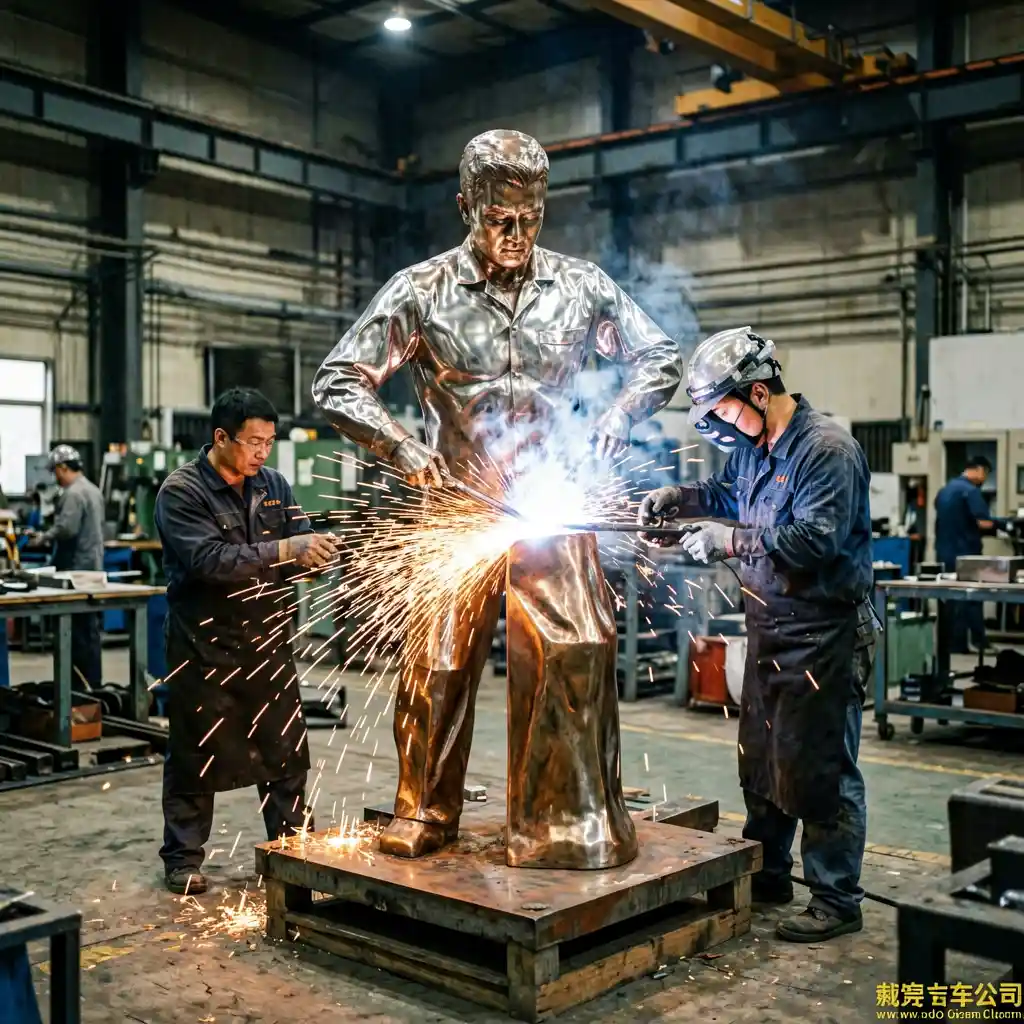
I’m commissioning a 6-foot outdoor sculpture and I’m confused about metal options. Should it be stainless steel, bronze, or corten? Which one looks the best, which one lasts the longest, and why do the quotes vary so wildly? These are the exact questions we answer from a custom metal sculpture fabrication shop every single week.
This guide breaks down the three metals that dominate outdoor art — stainless steel, bronze, and corten (weathering) steel — across cost, lifespan, maintenance, and design flexibility. By the end, you’ll have a clear decision checklist before you request a quote.
Why Metal Is the Default for Outdoor Sculpture
Metal is the workhorse of public and private art because it handles weather, vandalism, and time far better than fiberglass, resin, or painted wood. A well-fabricated metal piece can live outdoors for decades with minimal care. That is why architects, developers, and municipalities keep coming back to metal fabrication.
But “metal” is not one material. Stainless, bronze, and corten behave differently, cost differently, and read differently at a distance. Your choice should match your site, your budget, and your visual goal. Here is how to tell them apart.
Steel Types Comparison Table
| Property | Stainless Steel | Bronze (Cast) | Corten Steel |
|---|---|---|---|
| Typical alloys | 304 / 316 | Silicon bronze / C954 | Corten A / B (weathering) |
| Surface finish | Mirror, brushed, sati | Polished, patina, sand-cast texture | Natural rust patina |
| Weight feel | Light-medium | Heavy | Medium-heavy |
| Signature look | Bright, reflective, moder | Warm, classic, heritage | Rustic, earthy, industrial |
| Coastal suitability | Excellent (316) | Very good | Good (needs drainage) |
| Relative cost | Medium | High | Low-medium |
Stainless steel is the modern favorite for its clean, mirror-bright finish. Bronze brings a timeless, museum-quality presence. Corten develops a protective rust layer that owners love for its raw, natural warmth. None is universally “best” — each excels in a different setting.
Cost Comparison: Real Price Ranges
Cost is usually the first question clients ask. Based on recent Y Sculptures projects, here are realistic budgets for a typical 2–4 meter commissioned piece, excluding shipping and installation.
| Material | Typical Range (2–4m) | What Drives the Price |
|---|---|---|
| Corten steel | $8,000 – $20,000 | Lower raw cost, fast fabricatio |
| Stainless steel | $12,000 – $28,000 | Polishing labor, weld quality |
| Cast bronze | $18,000 – $45,000+ | Mold-making, casting, chasing |
Bronze is the premium option because casting involves molds, pouring, and hours of hand chasing and finishing. Stainless sits in the middle — the material itself is affordable, but achieving a flawless mirror polish is labor-intensive. Corten is the most budget-friendly while still reading as a high-end material.
For a full line-by-line budget breakdown, read our guide on custom sculpture cost from a factory insider.
Weather Durability: 10-Year Outdoor Performance
Outdoor metal has to survive rain, UV, salt, and freeze-thaw cycles. Here is how each metal performs over a decade in a real climate.
| Metal | 10-Year Performance | Best Climate | Risk to Watch |
|---|---|---|---|
| Stainless 316 | Virtually unchanged | Coastal, humid | Tea-staining if not 316 |
| Bronze | Natural patina, sound structure | All climates | Green runoff on pale surfaces |
| Corte | Stable rust layer, no deep corrosio | Dry-to-moderate | Rust runoff staining concrete |
Stainless 316 is the top choice for coastal sites because it resists salt pitting. Bronze develops a dignified green patina but protects its core structure for decades. Corten forms a tight oxide layer that halts further corrosion — as long as it has airflow and drainage and never sits in standing water.
One of our recent projects, Tidal Crest, is a stainless coastal installation engineered specifically for salt-air exposure. That is the kind of material reasoning that separates a 10-year piece from a 3-year failure.
Design Versatility: Which Metal Fits Which Style
The metal you choose changes what your artist can draw in three dimensions. Each material has a natural visual language.
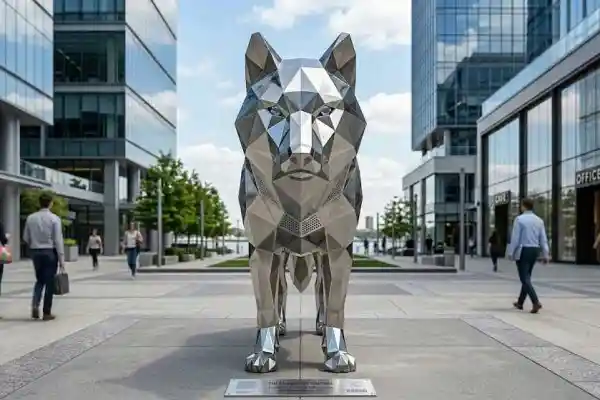
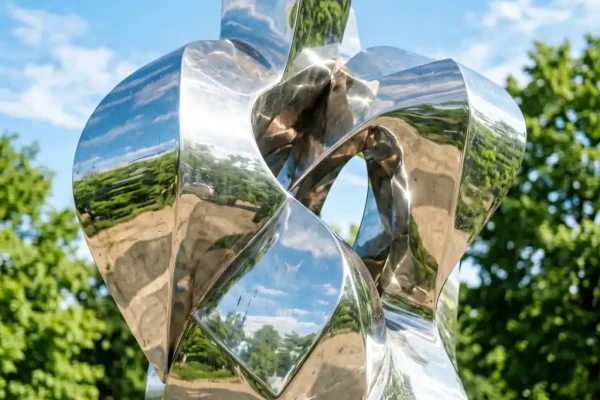
- Stainless steel — ideal for abstract, geometric, and kinetic forms; mirror surfaces catch light and change with the sky. Clean, reflective stainless steel art reads instantly as contemporary and high-end. Our Helix Ascent lobby piece shows how brushed stainless works in a corporate setting.
- Bronze — best for figurative, classical, and lifelike subjects such as animals and human figures. If you want a custom bronze statue with hand-detailed features, casting is the proven route. The hand-cast Majestic Giraffe demonstrates the warmth and detail bronze can hold.
- Corte
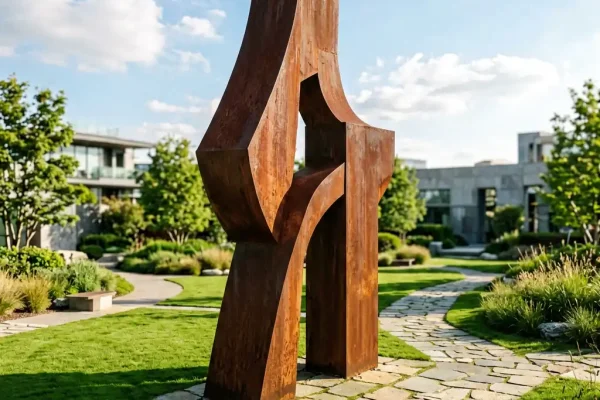
— suits natural, earthy, and architectural compositions. A corten steel sculpture blends into gardens, parks, and modern plazas, its rust tones softening hard landscape lines.
Stainless is the most versatile for contemporary design, while bronze dominates representational art. Corten sits between them, offering an organic presence that softens hard architecture. Your subject matter should drive this decision as much as your budget.
For abstract and kinetic commissions, welded steel sculpture opens another door: fabricators can form sweeping curves, sharp angles, and cantilevered elements that casting cannot achieve. If your concept relies on precise geometry and clean seams, a welded stainless construction is often the most faithful way to realize it. Mirror-polished stainless also amplifies daylight, making a piece feel larger and more dynamic than its physical footprint.
Maintenance Requirements by Material
Nobody wants a sculpture that demands constant care. Here is what each metal realistically needs.
| Metal | Routine Care | Frequency | Special Notes |
|---|---|---|---|
| Stainless | Wash with mild soap + water | 1–2× / year | Avoid chloride cleaners |
| Bronze | Wax for polished finish | 1× / year | Let patina develop if preferred |
| Corte | Remove debris, ensure drainage | As needed | Protect adjacent concrete from runoff |
Stainless is the lowest-maintenance option outdoors — a simple annual wash keeps its shine. Polished bronze needs an occasional wax coat, though many owners prefer to let the patina age naturally. Corten needs almost no active care, but you must manage water runoff so rust never stains walkways.
Understanding these trade-offs before commissioning saves you years of upkeep. Our stainless steel & metal sculpture manufacturing service can advise on the right finish for your exact site conditions.
Welding & Finishing: What Separates Great Fabricatio
Two identical designs can end up as very different sculptures depending on how they are welded and finished. This is where the skill of the fabricator shows up, and where your budget buys real value.
| Finishing Optio | Look | Best Use |
|---|---|---|
| Mirror polish | Reflective, high-gloss | Modern lobbies, plazas |
| Brushed / sati | Soft matte shee | Corporate, interior |
| Powder coating | Uniform matte color | Colored, branded pieces |
| Natural corten rust | Raw, earthy texture | Gardens, parks |
Powder coated sculpture lets you introduce color — a matte black, deep red, or brand-matched hue — that a bare metal finish cannot offer. The coating is baked on, so it resists chipping and fading far better than liquid paint. If color is central to your design, powder coating on a welded steel armature is a dependable route.
Whatever the finish, insist on continuous, fully penetrated welds and ground-smooth seams. Poor welding shows up within a season, while clean welding and finishing keep a weather resistant sculpture looking museum-grade for a decade.
Key Takeaways: Metal Selection Checklist
Use this checklist to shortlist your metal before you talk to a fabricator.
- Site environment — Coastal or humid? Choose stainless 316. Dry inland? Corten works well.
- Visual goal — Bright and modern, choose stainless. Warm and classical, choose bronze. Earthy and natural, choose corten.
- Subject matter — Figurative human or animal? Bronze leads. Abstract or geometric? Stainless excels.
- Budget — Lowest cost, corten. Mid-range, stainless. Premium, bronze.
- Maintenance appetite — Want zero fuss outdoors? Stainless or corten beat polished bronze.
- Lifespan target — All three reach decades outdoors if fabricated and finished correctly.
Still unsure? Send us your site photos and a rough size and budget through our contact page, and our fabrication team will recommend the right metal — no obligation. For more on how metal, bronze, and fiberglass are actually built, see our factory fabrication guide.
L
Written by Lisa Wang
Lisa Wang is Production & Quality Manager at Y Sculptures, bringing 14 years of hands-on experience in sculpture manufacturing, material science, and quality control. She leads the factory's ISO-compliant QC process, from raw material inspection to pre-shipment verification. Lisa has managed production for 2,800+ sculptures, ensuring precision in color matching, structural integrity, and surface finishing.
Related Projects
Browse real projects matching this topic
Related Insights
Continue reading related articles

Custom Sculpture Insights & Guides
Aug 24, 2026
Stainless Steel Sculpture: Types, Finishes & Outdoor Applications
Our Sculpture Solutions
Explore our full range of custom sculpture services

IP Character Replication
Learn More →

Large Sculpture Custom
Learn More →

Original IP Development
Learn More →

Solutions Services
Learn More →

Custom Inflatables
Learn More →

FRP & Fiberglass Sculpture Manufacturing
Custom FRP and fiberglass sculpture manufacturer - design, fabrication, and finishing.
Learn More →
Stainless Steel & Metal Sculpture Manufacturing
Custom stainless steel, bronze, corten, and aluminum sculpture manufacturer.
Learn More →
Theme Park Sculpture Services – Custom Amusement Park Statues
Custom Theme Park Sculptures – Bringing Imagination to Life Theme parks, amusement parks, zoos, and entertainment destinations thrive on immersive...
Learn More →
Commercial Sculpture Services – Custom Brand Mascots & Mall Art
Custom Commercial Sculptures – Elevate Your Brand & Space In today's competitive retail and commercial environment, first impressions matter. Commercial...
Learn More →