
Brand Mascot & IP
Custom IP Sculpture Development: From 2D Character to 3D Installation
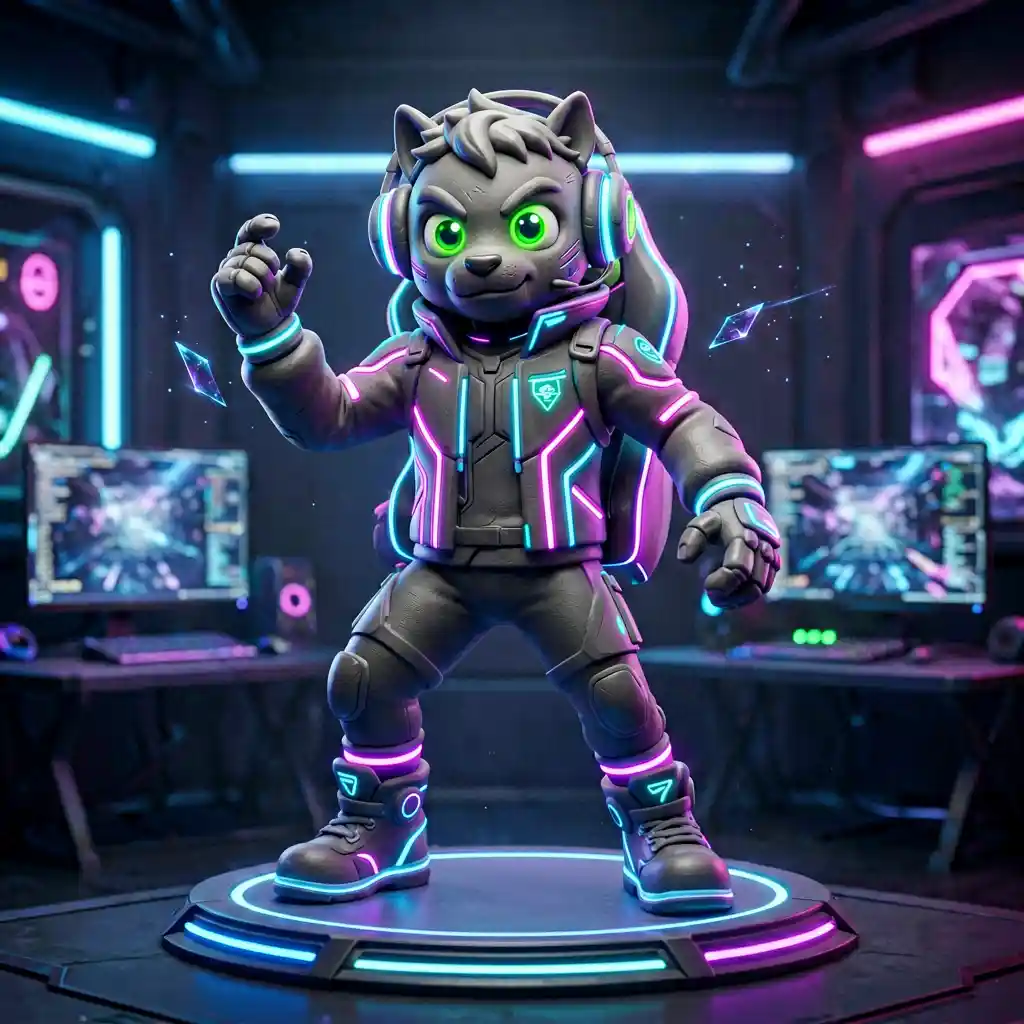
“We designed an esports character and want to make it a life-size statue for the next major tournament. Where do we even start?” This is one of the most common questions we hear from game studios, esports orgs, and brand teams — and it’s a great question, because a well-executed custom IP sculpture is one of the most powerful ways to pull a fictional character out of the screen and into the real world. A custom character statue at a launch event, a team headquarters, or a tournament stage doesn’t just look impressive — it creates photo moments, press coverage, and a physical anchor for the brand’s story.
But the path from a 2D character sheet to a 3D installation is rarely obvious. It involves character design translation, 3D modeling, sculpting, material selection, and — critically for anyone licensing or owning a character — IP protection. In this guide, we’ll walk through the complete IP character sculpture development process, the design decisions that make or break the result, and the legal safeguards you need before you send artwork to any manufacturer.
The 2D to 3D Process: From Concept Art to Installatio
Turning flat artwork into a dimensional object is a translation exercise, not a copy-paste job. The standard workflow for any custom IP sculpture looks like this:
- Concept review & reference pack. The manufacturer collects every angle of your character: front, side, back, turnaround sheets, color keys, and expression variants. This is the single most important step — the more reference material you provide, the more faithful the final sculpt.
- 3D modeling. The character is modeled digitally. This stage lets you preview proportions and check the character from every angle before anything physical is cut. For complex characters, 3D modeling is where design issues surface early and cheaply.
- Sculpting. The 3D model is translated into a physical form — either hand-sculpted in clay or milled/carved from foam from the digital file. This is where the character’s personality starts to feel real.
- Molding & fabrication. A mold is taken from the master sculpture, and the final piece is fabricated in the chosen material (more on that below).
- Finishing & paint. Color is applied to match your brand palette and character art, followed by protective coatings.
- Installation. The piece is delivered, assembled on site, and secured.
This end-to-end process is exactly what we manage under our Original IP Development service, which takes a licensed or original character all the way from 2D to a finished installation.
Design Considerations: Making a 2D Character Work in 3D
Characters designed for screens are often not optimized for physical form. Three issues dominate character design sculpture translation:
- Scale & proportion. A character that reads as “cute” in 2D can look stubby or distorted when scaled up to 6 feet. We typically refine proportions so the character keeps its identity while balancing structural balance at full size. A 6ft esports sculpture needs a stable center of gravity and a base engineered to hold it.
- Expression & pose. A 2D character is frozen in one keyframe. In 3D, you choose the pose that best communicates the character’s personality — dynamic and energetic for an esports mascot, warm and welcoming for a brand mascot. Expressions are locked into the sculpt, so you can’t change them later without starting over.
- Undercuts & overhangs. Details like flowing hair, capes, or outstretched arms that look great on paper create structural challenges in fabrication. During 3D modeling we resolve these so the piece is both beautiful and buildable.
Getting these decisions right early is why working with a team that has built dozens of esports and gaming mascot sculptures pays off — you avoid costly rework at the fabrication stage.
Material Selection: FRP vs Resin vs Bronze
The material you choose determines cost, weight, durability, and finish. For most brand mascot sculpture projects, three options dominate:
| Material | Best for | Weight | Outdoor | Relative cost |
|---|---|---|---|---|
| FRP (fiberglass) | Large mascots, colorful characters, gaming/event pieces | Light | Yes, with UV coating | Low–moderate |
| Resin / cold-cast | Small collectibles, desk statues, limited runs | Very light | Limited | Low |
| Bronze casting | Prestige pieces, permanent public art, premium brands | Heavy | Excellent | High |
For gaming and esports mascots that travel to events, FRP is the overwhelming favorite: it’s light enough to ship and move between venues, durable enough to survive the road, and takes bright, saturated paint colors better than almost any other material. If you need a light yet durable option for an indoor cartoon mascot sculpture, FRP or resin works well; for a permanent bronze statement piece, traditional casting gives you an heirloom-quality finish. Read our IP character sculpture development guide for a deeper material comparison.
IP Protection: Contracts, NDAs & Design Ownership
Before you send any character artwork to a manufacturer, protect your asset. This is the #1 question we get from the r/artbusiness community: “How do I protect my IP when working with manufacturers?” The answer is a combination of legal documents and good process:
- NDA (Non-Disclosure Agreement). Signed before any files are shared. It prevents the manufacturer from using or disclosing your designs.
- Design ownership clause. Your contract must state explicitly that all concept art, 3D models, and sculpts remain your property. This is non-negotiable — without it, a manufacturer may claim rights to designs they helped produce.
- License scope. If you’re working with an original IP development partner, the license should be clearly scoped: what you can use the produced pieces for, in which regions, and for how long.
- Non-compete / exclusivity. Ensure the manufacturer cannot reuse your character or a derivative of it for another client.
- Watermarked proofs. Share low-resolution or watermarked references until the NDA and deposit are in place.
If you’re reproducing an existing licensed character, confirm your rights to manufacture, display, and promote it. Many studios handle this through a dedicated IP character replicatio
service with license-aware workflows, rather than a generic fabrication contract.
Real Project Examples: Gaming & Esports Mascots
Seeing the process in action helps. Our portfolio includes several custom IP projects that show the range of what’s possible:
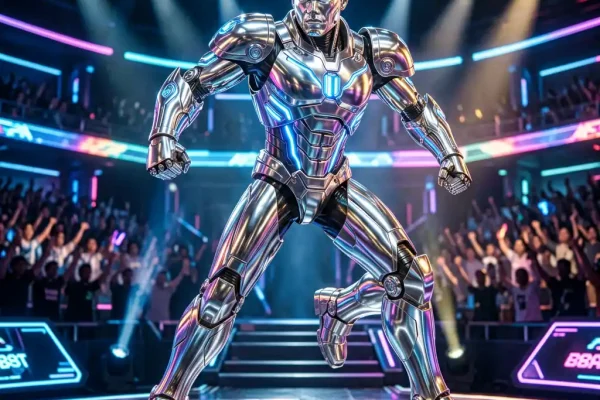
- Cyber-Vanguard — a tech-forward IP character with a sleek, angular design, typical of an esports or sci-fi gaming mascot. It demonstrates how a stylized character sheet translates into a dramatic full-size form.
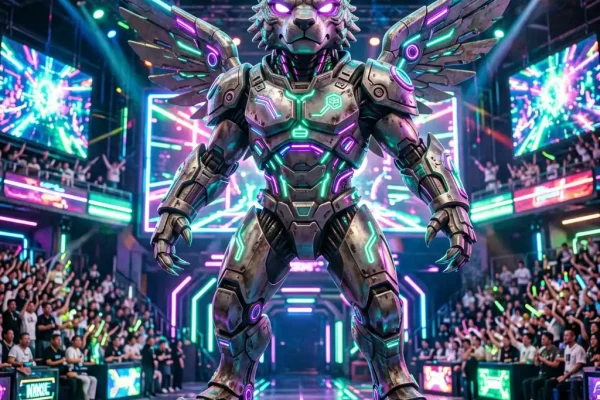
- Nebula Neko — an urban-plaza IP mascot that proves a friendly, character-driven piece can anchor a public space and draw foot traffic.
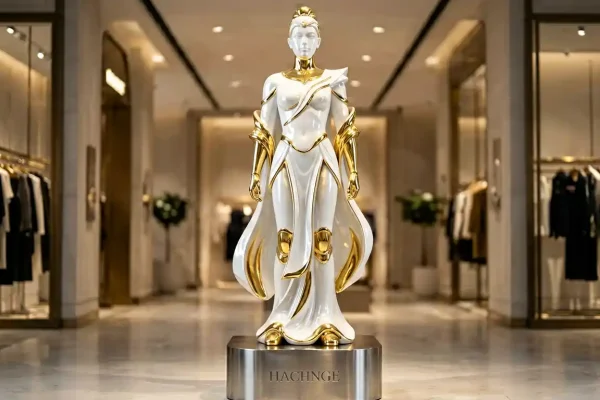
- Digital Muse — a medium-scale bronze IP sculpture showing the premium end of the spectrum, where a fictional character is elevated to gallery-quality bronze.
Browse the full IP sculpture projects gallery for more gaming, esports, and brand mascot case studies across different materials and scales.
Timeline & Budget: What to Expect
Cost and schedule scale with size, complexity, and material. Here are realistic ranges for a custom IP sculpture:
| Scale | Typical timeline | Budget range | Common use |
|---|---|---|---|
| Collectible (0.3–0.6m) | 3–5 weeks | $3K–$8K | Resin desk statues, limited runs |
| Mascot (1–2m) | 6–10 weeks | $12K–$25K | Brand events, retail, office lobby |
| Life-size (2–3m) | 8–14 weeks | $20K–$45K | Esports stage, gaming conventions |
| Large (3–6m+) | 12–20 weeks | $35K–$100K+ | Permanent public or flagship installations |
Budget Planning by Scale
Your final quote depends on pose complexity, surface detailing, paintwork, and whether you need molds for multiple copies. Use this planning table as a starting point before you get a custom IP sculpture quote:
| Project scale | Design & modeling | Fabricatio | Finishing & install | Total estimate |
|---|---|---|---|---|
| Collectible (0.3–0.6m) | $500–$2K | $2K–$5K | $500–$1K | $3K–$8K |
| Mascot (1–2m) | $2K–$5K | $7K–$15K | $3K–$5K | $12K–$25K |
| Life-size (2–3m) | $4K–$8K | $12K–$30K | $4K–$7K | $20K–$45K |
| Large (3–6m+) | $6K–$15K | $20K–$70K | $9K–$15K | $35K–$100K+ |
A 6ft esports mascot statue typically lands in the $20K–$45K range and takes 8–14 weeks. Bronze casting roughly doubles the timeline and can triple the budget versus FRP at the same size. These figures are why planning your custom character statue budget early matters — and why the ROI math matters too. Our IP sculpture ROI case studies break down the return on these investments.
Key Takeaways: IP Sculpture Development Checklist
Before you commission a gaming sculpture, esports sculpture, or brand mascot, run through this checklist:
- Prepare complete character reference (turnarounds, color keys, expressions).
- Confirm the character’s licensing / ownership rights and your right to manufacture.
- Sign an NDA and a contract with a clear design-ownership clause before sharing files.
- Lock scale, pose, and expression during 3D modeling — before fabrication begins.
- Choose material by use case: FRP for portable/colorful, resin for small, bronze for prestige.
- Set a realistic budget and timeline for the size you need.
- Plan installation and, for outdoor pieces, maintenance from day one.
Turning a 2D character into a 3D installation is one of the most rewarding — and most visible — investments a brand, studio, or esports org can make. With the right process and the right legal safeguards, your character can step off the screen and into the world. If you’re ready to bring an idea to life, talk to our team about your custom IP sculpture project.
Related Projects
Browse our IP sculpture portfolio for real examples. See our original IP development service for full design support. Read Brand Mascot Sculpture: Building Corporate Identity for more insights.
D
Written by David Chen
David Chen is Design Director at Y Sculptures with 18+ years in large-scale sculpture design and fabrication. He specializes in FRP, stainless steel, and bronze sculpture engineering, overseeing design-to-production workflows for theme park attractions, public art installations, and brand IP mascots. David has personally directed over 300 custom sculpture projects for clients across 20+ countries.
Related Projects
Browse real projects matching this topic
Related Insights
Continue reading related articles
Brand Mascot & IP
Aug 17, 2026
Custom Logo Sculpture: Transform Your Brand Identity Into 3D Landmarks
Our Sculpture Solutions
Explore our full range of custom sculpture services

IP Character Replication
Learn More →

Large Sculpture Custom
Learn More →

Original IP Development
Learn More →

Solutions Services
Learn More →

Custom Inflatables
Learn More →

FRP & Fiberglass Sculpture Manufacturing
Custom FRP and fiberglass sculpture manufacturer - design, fabrication, and finishing.
Learn More →
Stainless Steel & Metal Sculpture Manufacturing
Custom stainless steel, bronze, corten, and aluminum sculpture manufacturer.
Learn More →
Theme Park Sculpture Services – Custom Amusement Park Statues
Custom Theme Park Sculptures – Bringing Imagination to Life Theme parks, amusement parks, zoos, and entertainment destinations thrive on immersive...
Learn More →
Commercial Sculpture Services – Custom Brand Mascots & Mall Art
Custom Commercial Sculptures – Elevate Your Brand & Space In today's competitive retail and commercial environment, first impressions matter. Commercial...
Learn More →