
Brand Mascot & IP
Gaming & Esports Sculptures: Bringing Virtual Characters to Life
Why Gaming Venues Need Physical Sculptures
In 2026, the global esports audience exceeds 500 million. That’s more viewers than many traditional sports leagues. Yet walk into most gaming arenas, tournament venues, or esports cafes, and what do you see? Wall posters, LED screens, maybe a few action figures on display cases.
The gap is enormous. Physical sculpture creates something digital displays cannot: a tangible landmark that fans can touch, pose beside, and remember. When we installed a 2.8-meter character sculpture at a major Southeast Asian esports arena last year, the venue reported that 73% of tournament attendees took photos with it — and shared those photos online.
That’s free marketing that outlasts any banner ad.
Popular Gaming Sculpture Styles
Based on recent projects, here are the styles that resonate most with gaming audiences:
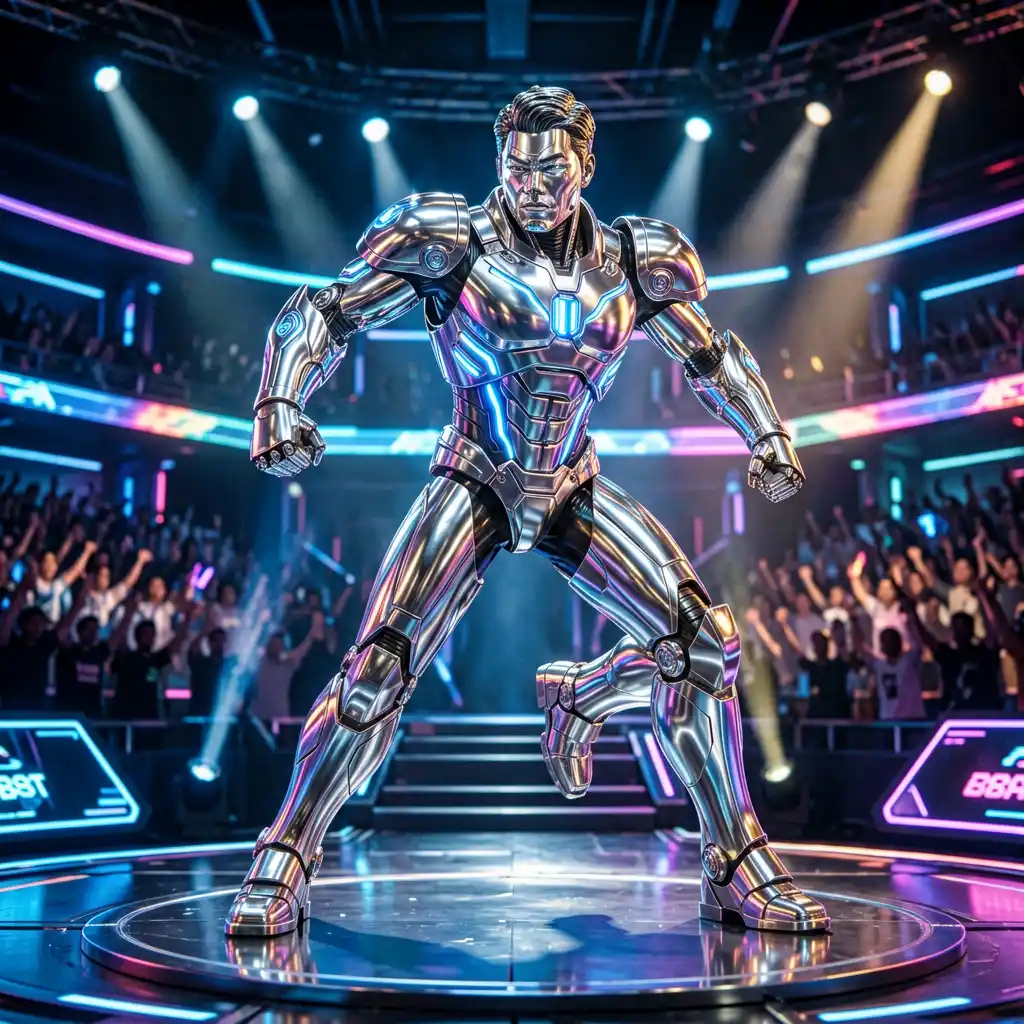
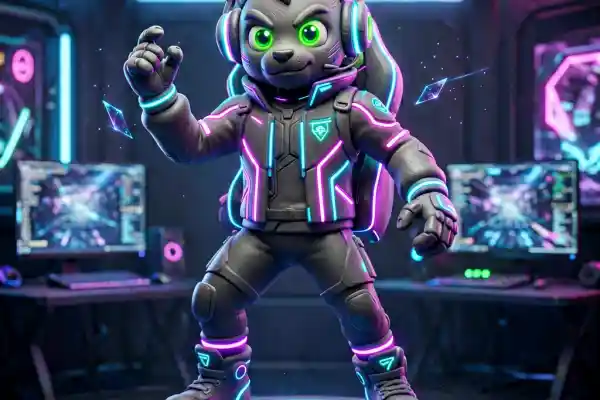
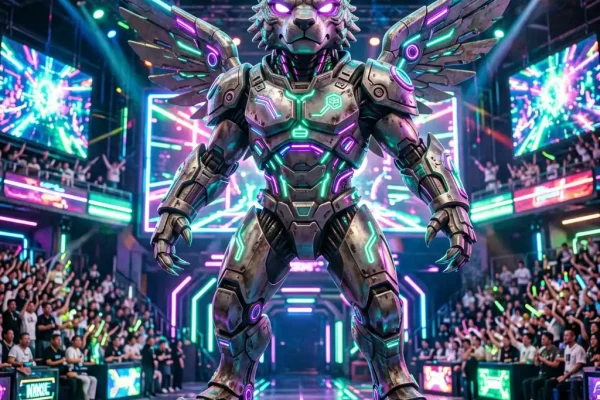
- Realistic Hero Statues — Life-size or slightly larger renderings of game characters in dynamic poses. These work best for flagship IPs with strong visual identity. Our esports sculpture project for a regional league featured a 3-meter armored warrior — it became the venue’s signature photo spot within days.
- Chibi/Q-Version Characters — Exaggerated proportions, cute aesthetics. Perfect for cafes, retail spaces, and family-friendly venues. These sculptures have broader appeal across age groups.
- Mech & Sci-Fi Forms — Abstract technological themes, angular designs, metallic finishes. Ideal for futuristic venue aesthetics and brands positioning themselves as cutting-edge.
- Abstract Gaming Symbols — Controllers, pixel motifs, circuit patterns rendered in sculptural form. Subtle enough for professional environments, recognizable to enthusiasts.
- Team Mascot Sculptures — Custom mascot figures for esports organizations. These build team identity and create collectible merchandise opportunities.
From Digital Concept to Physical Sculpture
The translation process from screen to physical form requires careful attention:
- 3D Scanning & Modeling: Start with high-resolution game assets. Our team creates optimized 3D models that maintain visual fidelity while being fabricatable.
- Material Selection: FRP is the workhorse for gaming sculptures — lightweight, paintable, cost-effective for large formats. Stainless steel adds premium accent pieces. Resin works for detailed tabletop versions.
- Lighting Integration: Most gaming sculptures benefit from LED systems. We commonly integrate RGB contour lighting, underglow effects, or programmable sequences that sync with event atmospheres.
- Base & Display Design: The mounting system matters. Some venues want floor-standing installations; others prefer pedestal displays or wall-mount configurations.
Budget Breakdown for Gaming Sculptures
Realistic pricing based on our recent project portfolio:
- Tabletop collectibles (30–60cm): $1,500–$4,000 per unit
- Medium display pieces (1–1.5m): $6,000–$15,000
- Life-size character sculptures (1.8–2.5m): $18,000–$35,000
- Large venue landmarks (3m+): $40,000–$80,000+
LED lighting systems typically add 30–50% to the base sculpture cost. Multi-piece installations or limited edition runs may qualify for volume pricing.
IP Protection & Licensing Considerations
This is critical: if you’re commissioning sculptures of copyrighted game characters, you need proper licensing. We’ve worked with official game publishers and esports organizations, and the process is straightforward when done correctly.
For original characters or custom mascot designs, IP protection starts at the design phase. We recommend registering your character designs before production begins, especially if the sculptures will be mass-produced or merchandised.
Installation & Display Best Practices
- Entrance areas: Large landmark pieces create powerful first impressions
- Competition floors: Medium sculptures flanking stage areas add atmosphere
- Photo zones: Interactive-sized pieces at optimal shooting height
- Merchandise areas: Smaller display versions alongside collectible sales
FAQ
Can you recreate a video game character as a life-size sculpture?
Yes. We regularly produce life-size character sculptures from game assets, working from official 3D models or detailed reference materials.
What materials are best for esports venue sculptures?
FRP offers the best balance of cost, durability, and finish quality for most applications. Stainless steel accents add premium visual impact.
How long does it take to produce a custom gaming sculpture?
Typical turnaround is 4–8 weeks depending on complexity. Detailed character sculptures with LED integration run closer to 8–10 weeks.
Can gaming sculptures include LED lighting effects?
Absolutely. LED integration is standard on most gaming sculpture projects, with programmable color and animation options.
D
Written by David Chen
David Chen is Design Director at Y Sculptures with 18+ years in large-scale sculpture design and fabrication. He specializes in FRP, stainless steel, and bronze sculpture engineering, overseeing design-to-production workflows for theme park attractions, public art installations, and brand IP mascots. David has personally directed over 300 custom sculpture projects for clients across 20+ countries.
Related Projects
Browse real projects matching this topic
Related Insights
Continue reading related articles
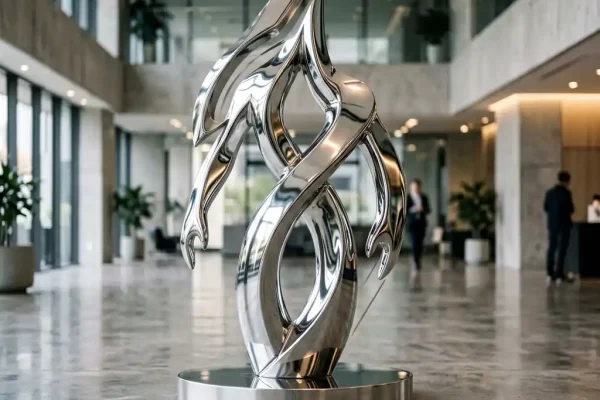
Brand Mascot & IP
Aug 17, 2026
Custom Logo Sculpture: Transform Your Brand Identity Into 3D Landmarks
Our Sculpture Solutions
Explore our full range of custom sculpture services

IP Character Replication
Learn More →

Large Sculpture Custom
Learn More →

Original IP Development
Learn More →

Solutions Services
Learn More →

Custom Inflatables
Learn More →

FRP & Fiberglass Sculpture Manufacturing
Custom FRP and fiberglass sculpture manufacturer - design, fabrication, and finishing.
Learn More →
Stainless Steel & Metal Sculpture Manufacturing
Custom stainless steel, bronze, corten, and aluminum sculpture manufacturer.
Learn More →
Theme Park Sculpture Services – Custom Amusement Park Statues
Custom Theme Park Sculptures – Bringing Imagination to Life Theme parks, amusement parks, zoos, and entertainment destinations thrive on immersive...
Learn More →
Commercial Sculpture Services – Custom Brand Mascots & Mall Art
Custom Commercial Sculptures – Elevate Your Brand & Space In today's competitive retail and commercial environment, first impressions matter. Commercial...
Learn More →