
Custom Sculpture Insights & Guides
Sculptures for Schools & Universities: Inspiring Campus Public Art
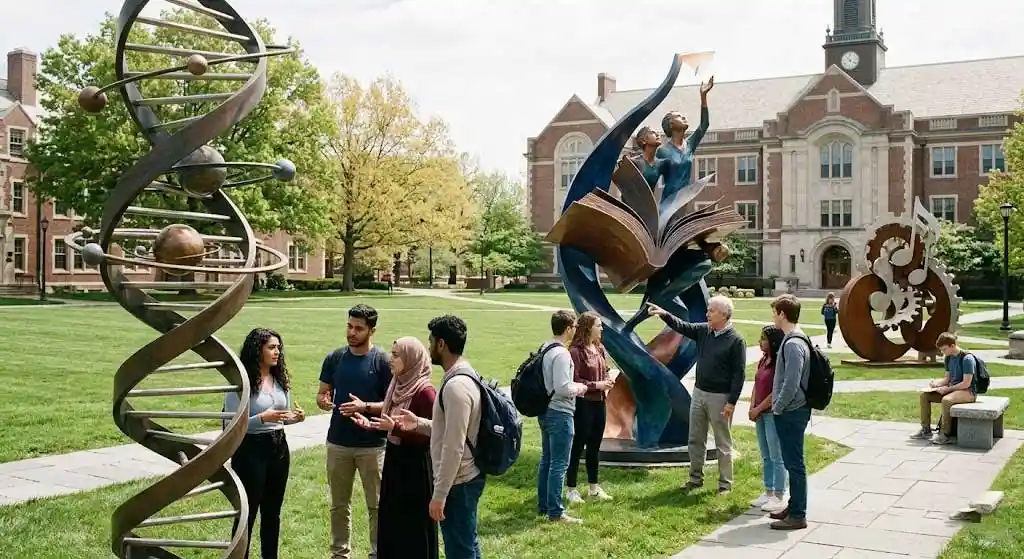
From the Rodin collection at Stanford to the whimsical figures at MIT, educational institutions have long recognized that sculpture plays a vital role in shaping campus culture, inspiring intellectual curiosity, and creating a sense of place. Today, more schools, universities, and cultural centers are investing in custom sculptures as part of their master planning and donor engagement strategies.
This comprehensive guide explores how educational institutions commission and benefit from campus sculptures, the different types of academic art installations, and practical considerations for planning your project.
Why Educational Institutions Invest in Sculpture
| Benefit | Description | Measurable Impact |
|---|---|---|
| Campus Identity | Creates visual landmarks and wayfinding anchors | 40% improvement in visitor navigation |
| Donor Recognition | Provides permanent, prestigious naming opportunities | 2-3x higher donor engagement for named installations |
| Student Inspiration | Sparks creativity and intellectual discourse | 78% of students report positive impact |
| Community Engagement | Opens campus to public art appreciation | Annual art tourism visitors increase by 15-25% |
Types of Educational Sculptures
1. Donor Recognition and Legacy Sculptures
Named sculptures and commemorative installations honor major donors, distinguished alumni, and founding figures. These permanent pieces create a lasting legacy while beautifying the campus. Bronze sculptures are particularly popular for this purpose due to their permanence and prestige — similar in approach to the Regal Sentinel Bronze Lion, which serves as a permanent landmark for a luxury property.
2. Academic Department Icons
Subject-specific sculptures — a DNA helix for the science building, a geometric abstract for the math center, or a literary figure for the humanities quad — create visual identity for academic departments and spark curiosity in students passing by.
3. Interactive and Educational Art
Sculptures that invite touch, exploration, or interaction are particularly effective on educational campuses. These pieces encourage hands-on learning and create gathering spaces for students. The Celestial Flow public art sculpture demonstrates how interactive design elements engage viewers.
4. Commemorative and Historical Monuments
Educational institutions often commission sculptures to commemorate historical events, celebrate cultural heritage, or honor significant achievements. These pieces serve as educational tools and conversation starters for future generations.
The Commissioning Process for Educational Institutions
See our Step-by-Step Commission Guide and Cost Guide 2026 for budget planning.
Step 1: Defining Objectives
Start by clarifying the sculpture’s purpose: Is it primarily decorative, educational, commemorative, or interactive? Who is the primary audience — students, visitors, donors, or the broader community? These answers guide every subsequent decision.
Step 2: Site Selection
Campus placement affects scale, material, and design. High-traffic areas like student unions and library entrances offer maximum visibility, while quieter garden settings suit contemplative pieces. Review our Public Art Installation Guide for site preparation requirements.
Step 3: Design and Approval
Work with our Original IP Development team to create design concepts that align with campus aesthetics, institutional values, and stakeholder expectations. This phase includes scale models and material samples for board approval.
Step 4: Material Selection
Bronze offers traditional prestige and permanence for donor recognition pieces. Stainless steel provides a modern, low-maintenance option for contemporary campuses. Fiberglass (FRP) allows larger forms at lower cost for budget-conscious projects. Our FRP vs stainless steel vs bronze material guide compares these options in detail.
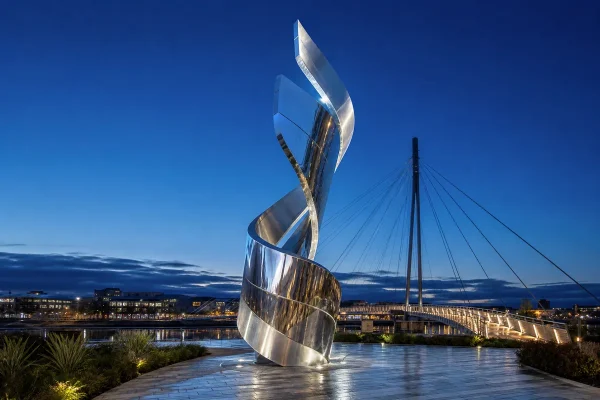
Case Study: The Synthesis of Growth
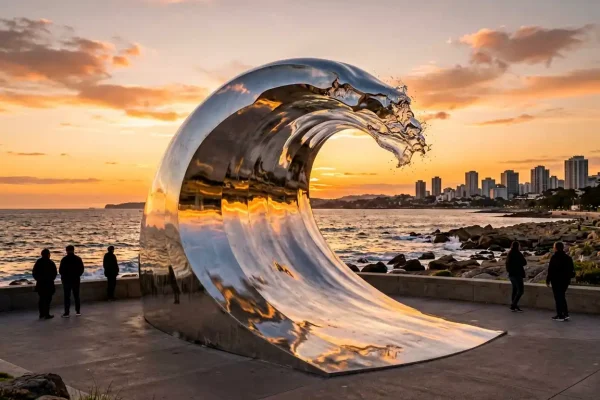
The Synthesis of Growth — an urban sculpture commissioned for a waterfront redevelopment district — exemplifies how educational and civic sculptures create meaningful community anchors. The piece symbolizes growth and connectivity, themes that resonate strongly on academic campuses.
Maintenance Considerations
Educational sculptures require ongoing care to maintain their appearance and structural integrity. Bronze pieces need periodic waxing, stainless steel requires occasional polishing, and FRP benefits from UV protection. For detailed maintenance guidance, see our Sculpture Maintenance Guide. The full fabrication workflow, including quality checks at each stage, is detailed in How Custom Sculptures Are Made: From Concept to Installation in 10 Steps.
Budgeting for Campus Sculptures
Educational institution budgets range widely based on scope:
- Small commemorative plaques/busts: $5,000-$20,000
- Medium-scale donor sculptures (2-4m): $40,000-$120,000
- Large campus landmarks (4-8m): $150,000-$500,000
- Major gateways and installations (8m+): $300,000-$1,000,000+
Many institutions fund sculptures through dedicated donor campaigns, capital improvement budgets, or percentage-for-art programs.
Partner with Y Sculptures for Your Campus Project
As a large-scale sculpture manufacturer, Y Sculptures has the experience and capacity to deliver educational sculptures of any size and complexity. Our factory in Huizhou, Guangdong produces museum-quality pieces for institutions worldwide. The full fabrication workflow, including quality checks at each stage, is detailed in Custom Sculpture Manufacturing: 7-Step Process Guide.
Start Your Campus Sculpture Journey
Contact our team to discuss how a custom sculpture can transform your educational campus, inspire your students, and create a lasting legacy for your institution.
J
Written by James Liu
James Liu is Project Manager at Y Sculptures, specializing in end-to-end custom sculpture project delivery for commercial, hospitality, and public art sectors. With 12 years in the industry, James coordinates design approvals, material sourcing, fabrication timelines, international shipping logistics, and on-site installation. He has successfully delivered 500+ projects to 30+ countries.
Related Projects
Browse real projects matching this topic
Related Insights
Continue reading related articles
Brand Mascot & IP
Oct 13, 2026
Esports Arena & Gaming Venue Sculpture: Landmarks, Trophies & Mascot Statues
Commercial & Hospitality
Oct 13, 2026
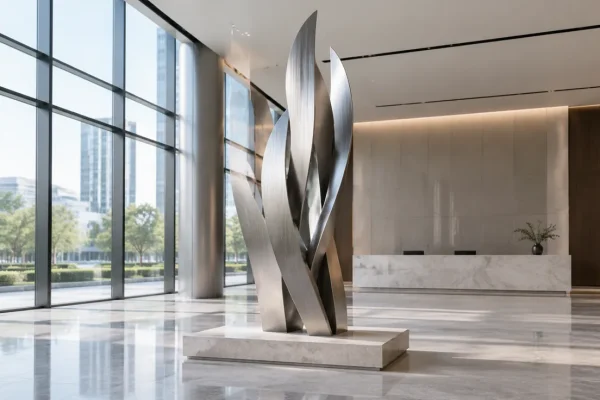
Corporate Lobby & Office Sculpture: Commissioning Guide for Developers
Custom Sculpture Insights & Guides
Oct 13, 2026
How Long Do Outdoor Sculptures Last? Material-by-Material Lifespan Guide
Our Sculpture Solutions
Explore our full range of custom sculpture services

IP Character Replication
Beyond 2D: Why IP Replication Drives Brand Engagement A character that lives only on a screen is easy to scroll...
Learn More →
Large Sculpture Custom
Engineering Monumental Scale A sculpture that stands 15 metres tall is not simply a 1.5-metre maquette scaled up ten times....
Learn More →
Original IP Development
From Concept to Icon Most sculpture enquiries begin with a reference: a licensed character, a film hero, an existing artwork...
Learn More →
Solutions Services
One Factory, Every Sculpture Material A sculpture brief rarely arrives pre-sorted by material. A client sends a reference image, a...
Learn More →
Custom Inflatables
Inflatable Sculptures as Brand Media Most sculptural commissions are permanent assets: they are built once, installed once, and admired for...
Learn More →
FRP & Fiberglass Sculpture Manufacturing
Custom FRP and fiberglass sculpture manufacturer - design, fabrication, and finishing.
Learn More →
Stainless Steel & Metal Sculpture Manufacturing
Custom stainless steel, bronze, corten, and aluminum sculpture manufacturer.
Learn More →
Theme Park Sculpture Services – Custom Amusement Park Statues
Custom Theme Park Sculptures – Bringing Imagination to Life Theme parks, amusement parks, zoos, and entertainment destinations thrive on immersive...
Learn More →
Commercial Sculpture Services – Custom Brand Mascots & Mall Art
Custom Commercial Sculptures – Elevate Your Brand & Space In today's competitive retail and commercial environment, first impressions matter. Commercial...
Learn More →