
Public Art
Water Feature Sculptures: Creating Dynamic Art That Moves and Sparkles
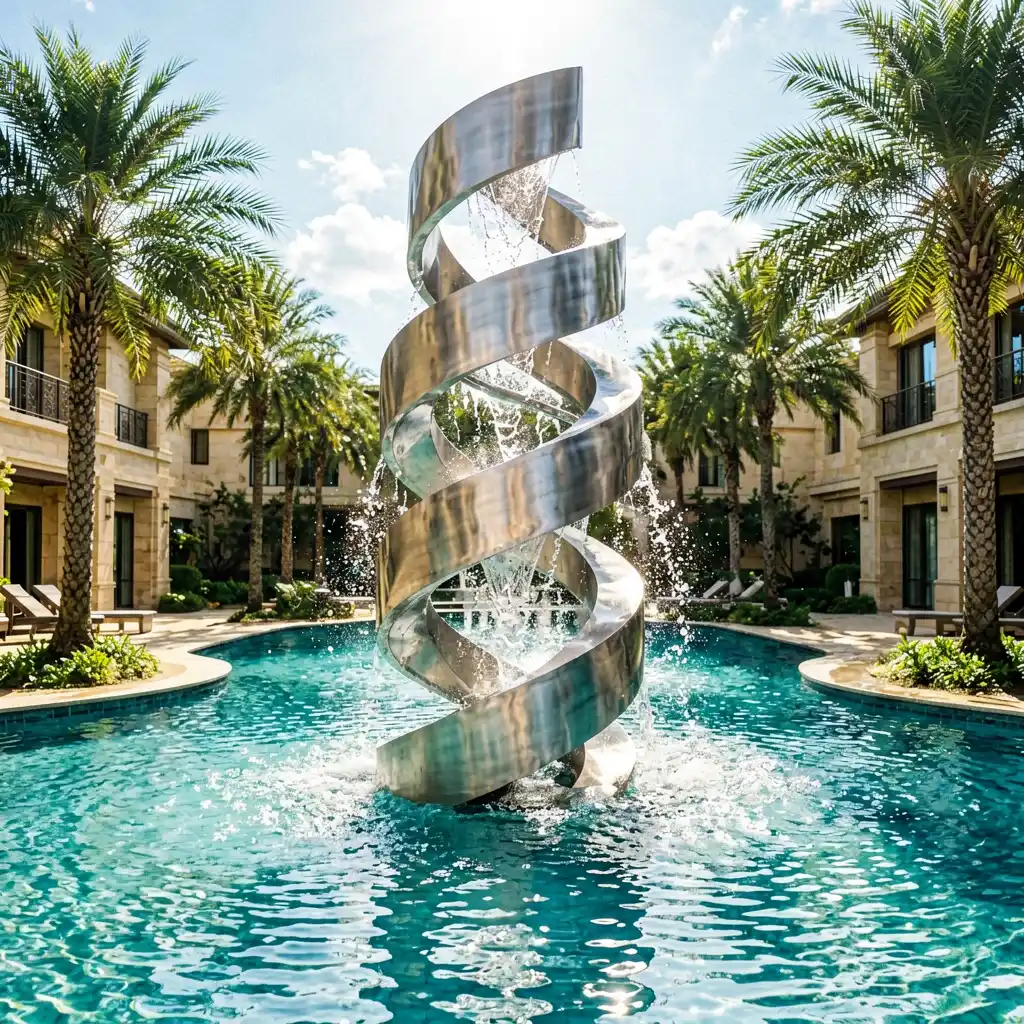
A few months ago, a beachfront resort approached us for a quiet, static sculpture to anchor their poolside terrace. They approved the concept, the budget, and the timeline. Then our designer showed them a rendering with water running through the piece — light catching each ripple, a soft shimmer spreading across the surface. Within a week, they had upgraded the brief. The static sculpture became a water feature sculpture: a twisting stainless steel ribbon with a self-contained water system, LED lighting, and a gentle, constant flow. It was the easiest upgrade we have ever watched a client make, because the moment people see water in motion, they understand the difference.
Dynamic water features stop foot traffic, invite photographs, and turn a place people walk past into a place people pause. In this guide, we cover what makes them different, five popular concepts, the engineering that makes them work, and — most importantly — the maintenance questions clients ask before they commit.
What Makes a Water Feature Sculpture Different?
A static sculpture and a water feature sculpture share the same material, silhouette, and craft. The difference is in how they are designed. A static piece is a single moment frozen in time. A water feature adds a second dimension: change.
Water introduces three sensory layers a static sculpture cannot offer:
- Sound — the soft murmur of water masks background noise, makes spaces feel calmer, and gives indoor atriums a natural ambience.
- Motio
— flowing water catches light from every angle, so the sculpture never looks the same twice, whether at noon or under evening LED. - Touch — many interactive water features are designed to be touched, which turns passive viewing into an experience, especially for children.
The design logic shifts accordingly. Static sculpture design is about form, proportion, and negative space. Water feature design adds hydraulics, pump sizing, flow paths, and drainage — which is why the best results come from a team that handles both the art and the engineering together.
5 Popular Water Feature Sculpture Concepts
Every water feature starts with a concept that fits the space. These five are the most requested across resorts, hotels, malls, and public plazas.
1. Spiral Ribbon Water Features
The Aqua Ribbon water feature sculpture is our flagship example. A single 316L stainless steel ribbon twists upward, with water cascading along its polished surface — simultaneously kinetic and serene, the form moves with water while the material stays grounded. This concept works best as a focal point in a pool, courtyard, or lobby viewed from multiple sides.
2. Mirror Reflection Water Dishes
For clients who want minimalism, a low, wide stainless steel dish holding a thin, perfectly still sheet of water creates a mirror effect. Trees, architecture, and sky reflect in the surface, making the sculpture feel larger and the space feel more open. Simple to engineer, easy to maintain, and stunning in modern developments.
3. Interactive Spray Fountains
An interactive sculpture that responds to touch or proximity is a proven crowd-pleaser in malls, parks, and family resorts. Sensors activate jets of water when someone steps into the zone, creating a playable, programmable installation. Because it is designed to be touched, materials and edges are specified for safety and durability.
4. Hanging Water Curtains
A kinetic sculpture need not be massive. Hanging tubes or chains with water streaming down each strand create a delicate, light-catching curtain — ideal for covered walkways, hotel entrances, and indoor atriums where a full fountain would be overwhelming. The visual weight is light, but the effect is memorable.
5. Waterfall Wall Sculptures
For vertical spaces, a waterfall wall integrates the sculpture into the architecture. Water flows down a sculpted stainless steel or stone surface into a collection basin, combining art with a natural soundscape. These are especially popular in hotel lobbies and corporate atriums, where they double as a design statement and a privacy screen.
Engineering: Making Water Work Beautifully
A water feature sculpture is a sculpture first and a hydraulic system second — but the hydraulic system is what keeps it beautiful. Four engineering decisions matter most:
- Pump system — sized for the required flow rate while staying quiet enough not to disrupt conversation or sleep nearby. Submersible pumps with variable speed control let you dial the effect from gentle trickle to full cascade.
- Recirculation and filtratio
— the water is fully recirculated through a filter system, so the feature needs only periodic top-ups, not a constant water supply. Good filtration keeps the water clear and prevents algae and mineral build-up. - LED integratio
— underwater and uplighting LEDs transform the sculpture at night. Colour-changing options let the feature shift with seasons, holidays, or brand events. - Corrosion-resistant materials — water is relentless. 316L stainless steel is the workhorse for water features because its added molybdenum resists the chlorides and humidity that attack ordinary stainless. Combined with sealed welds and marine-grade fittings, it is built to last decades.
The Aqua Ribbon project shows how these systems come together: a brushed and mirror-polished 316L body paired with an integrated water pump and LED underwater lighting — a fully self-contained system that needed no external plumbing at the resort.
Indoor vs Outdoor Installation Considerations
Indoor installations need waterproofing, a drainage plan, and a dedicated power connection. Humidity management matters — a large open water surface in a lobby can raise local humidity, so ventilation and finish selection should account for it. With no weather exposure, indoor features enjoy gentler maintenance and longer material life.
Outdoor installations face freeze-thaw cycles, evaporation, and exposure. In cold climates, the system needs a drain-down and winterisation protocol so trapped water cannot freeze and crack lines. Automatic top-up systems compensate for evaporation, and access points are designed so filters and pumps can be serviced without dismantling the art. See our complete outdoor sculpture maintenance guide for the full seasonal checklist.
Safety regulations apply to both. Non-slip surfaces around poolside and public features, tamper-resistant electrical enclosures, and touch-safe water treatment keep installations compliant and guests safe. For coastal or waterfront placements, marine-grade materials and additional corrosion protection are essential — our coastal art installation guide covers the specific challenges of salt-air environments.
Maintenance & Long-Term Care
The biggest worry clients raise is “won’t a water feature be a maintenance headache?” The honest answer: with the right design, routine maintenance is modest — and the design choices made up front determine how easy it is.
- Daily — visually check water level and clear leaves or debris from the basin.
- Weekly — top up water and skim the surface; keep the pump running on schedule.
- Monthly — clean or replace the filter and wipe down visible stainless surfaces.
- Seasonally — deep-clean the basin, inspect the pump and seals, and winterise if installed outdoors in a freezing climate.
Choosing 316L stainless steel dramatically reduces long-term care. Unlike painted or coated materials, polished stainless resists corrosion and is simply wiped clean. A well-engineered feature like the Aqua Ribbon — with its recirculating system and sealed welds — is designed so a single trained staff member can handle everything except an annual professional service.
Frequently Asked Questions
How much does a water feature sculpture cost?
Pricing scales with size, material, and complexity. A moderate stainless steel water feature typically ranges from $20,000 to $65,000 USD. The Aqua Ribbon, at 5m tall with integrated pump and LED lighting, fell in the $38,000–$65,000 range. We provide a fixed quote after a design and engineering review, so there are no surprises.
What maintenance is required for outdoor water sculptures?
Outdoor features need weekly top-ups and surface skimming, monthly filter cleaning, and seasonal deep cleaning plus winterisation in freezing climates. Automatic top-up and recirculation systems reduce the hands-on work considerably. With 316L stainless steel, a single staff member can manage routine care with a professional service once a year.
Can water feature sculptures be customized?
Yes — every water feature we build is a custom design. You choose the concept, scale, material finish, lighting, and level of interactivity. We start from your space and brand, produce a photorealistic rendering, then engineer and fabricate the piece to match, as with the fully customised Aqua Ribbo
.
What’s the power requirement for indoor installations?
Most residential and boutique hotel water features run on a standard single-phase electrical supply (typically 110–240V depending on your region), drawing roughly the power of a small appliance. Large commercial installations may need a dedicated circuit or three-phase supply, confirmed during engineering.
How long does a stainless steel water sculpture last?
With routine maintenance, a 316L stainless steel water feature is built to last decades — often 30 years or more. The stainless resists corrosion, and the pump and seals are replaceable components that are serviced rather than replaced wholesale, making the sculpture effectively a permanent installation.
A water feature sculpture is more than an upgrade to a static piece — it is a different class of experience. It moves, it shimmers, it sounds, and it invites people to stay. If you are weighing whether dynamic water is right for your space, start with the concept and budget, and let the engineering handle the rest. Contact our team for a design review and a fixed quote.
J
Written by James Liu
James Liu is Project Manager at Y Sculptures, specializing in end-to-end custom sculpture project delivery for commercial, hospitality, and public art sectors. With 12 years in the industry, James coordinates design approvals, material sourcing, fabrication timelines, international shipping logistics, and on-site installation. He has successfully delivered 500+ projects to 30+ countries.
Related Projects
Browse real projects matching this topic
Related Insights
Continue reading related articles
Custom Sculpture Insights & Guides
Aug 24, 2026
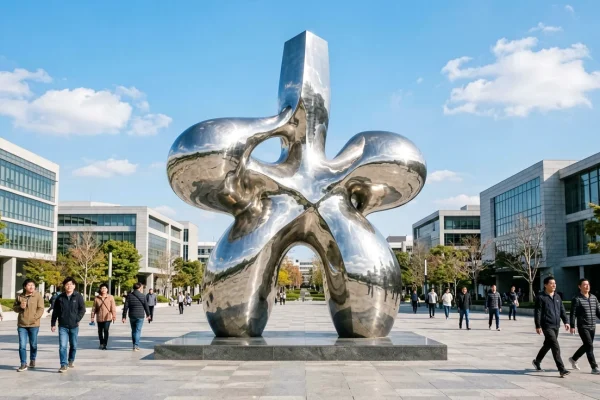
Public Art Sculpture: Types, Commissioning & Placement Guide
Custom Sculpture Insights & Guides
Aug 20, 2026
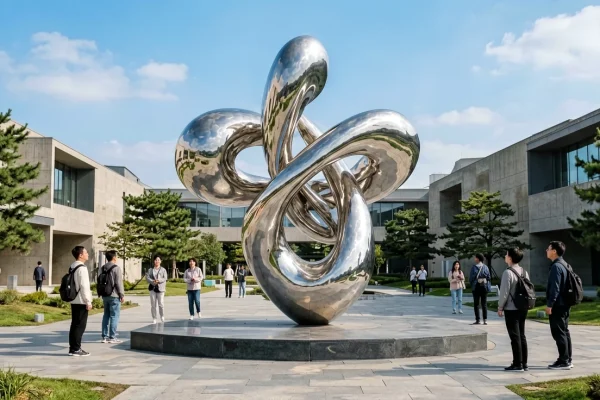
Sculpture & Art Trends 2026: What Buyers Want in Custom Pieces
Custom Sculpture Insights & Guides
Aug 20, 2026
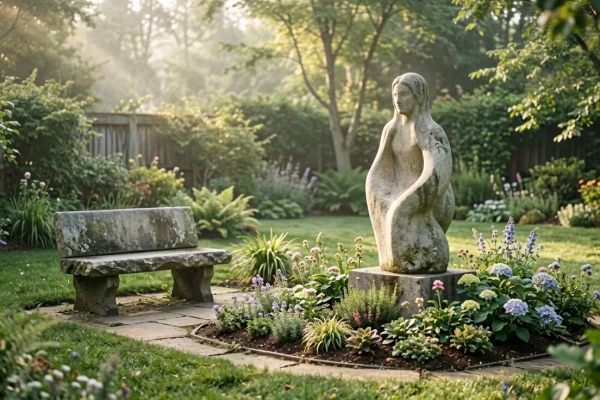
Memorial Sculpture Ideas: Honoring Loved Ones & Pets Outdoors
Our Sculpture Solutions
Explore our full range of custom sculpture services

IP Character Replication
Learn More →

Large Sculpture Custom
Learn More →

Original IP Development
Learn More →

Solutions Services
Learn More →

Custom Inflatables
Learn More →

FRP & Fiberglass Sculpture Manufacturing
Custom FRP and fiberglass sculpture manufacturer - design, fabrication, and finishing.
Learn More →
Stainless Steel & Metal Sculpture Manufacturing
Custom stainless steel, bronze, corten, and aluminum sculpture manufacturer.
Learn More →
Theme Park Sculpture Services – Custom Amusement Park Statues
Custom Theme Park Sculptures – Bringing Imagination to Life Theme parks, amusement parks, zoos, and entertainment destinations thrive on immersive...
Learn More →
Commercial Sculpture Services – Custom Brand Mascots & Mall Art
Custom Commercial Sculptures – Elevate Your Brand & Space In today's competitive retail and commercial environment, first impressions matter. Commercial...
Learn More →