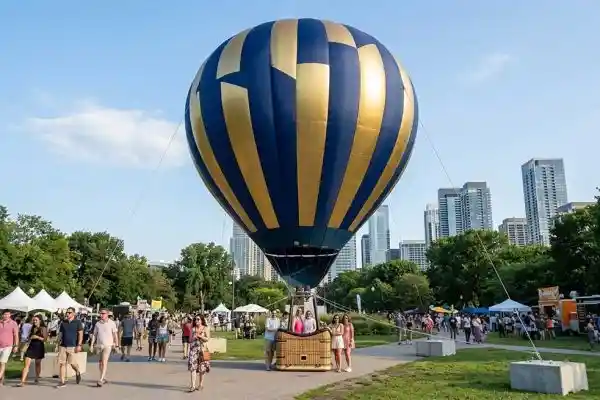
Inflatable Sculpture

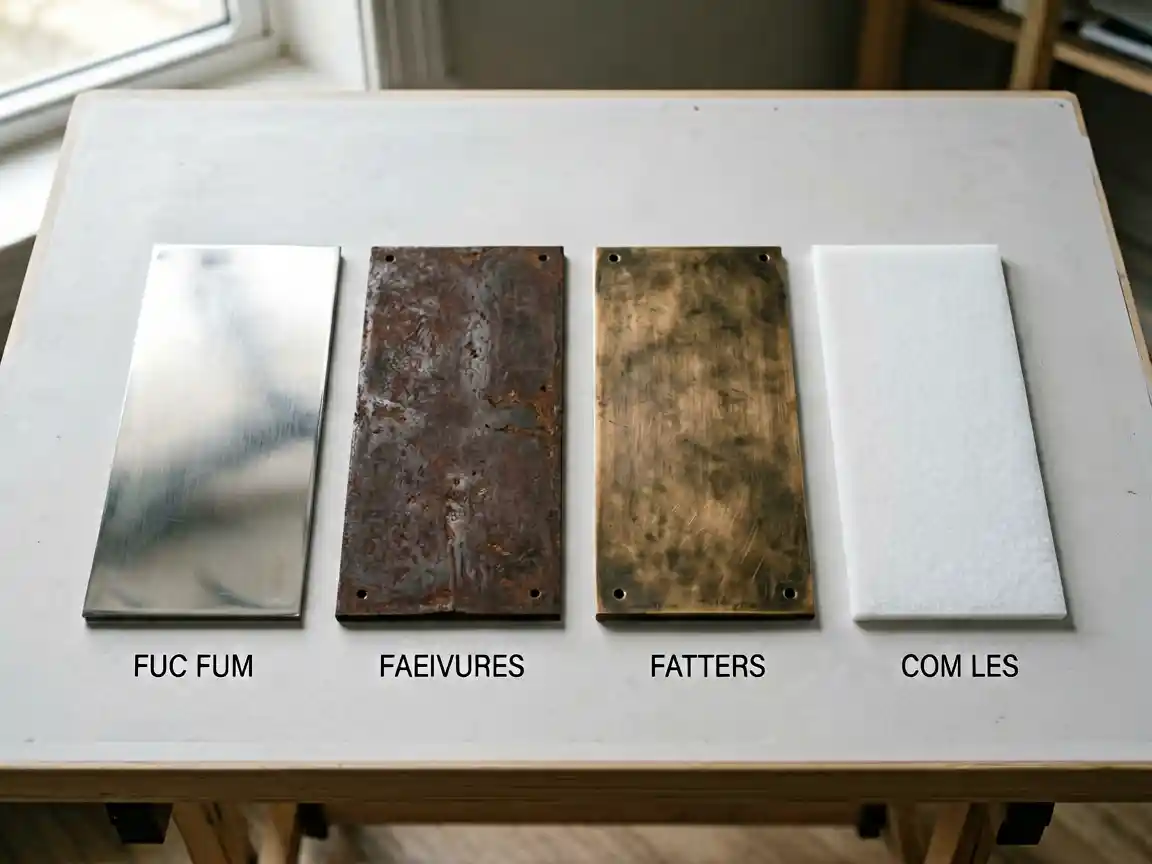
Choosing the right material for your custom sculpture is one of the most important decisions you will make. The material determines not only the look and feel of the finished piece, but also its durability, maintenance requirements, cost, and lifespan. With four dominant options — FRP/fiberglass, stainless steel, bronze, and corten/weathering steel — each offering distinctly different advantages, how do you choose?
This guide provides a side-by-side comparison of the four most common sculpture materials, a decision tree to help you narrow down your options, and answers to frequently asked questions about material selection.
Below is a quick-reference comparison table covering the key characteristics of each material at a glance.
| Property | FRP / Fiberglass | Stainless Steel | Bronze | Corten Steel |
|---|---|---|---|---|
| Price Range | $3,000 – $15,000 | $8,000 – $50,000+ | $15,000 – $100,000+ | $5,000 – $30,000+ |
| Lifespan | 15–25 years | 50+ years | 100+ years | 25+ years |
| Weight | Lightweight | Heavy | Very Heavy | Heavy |
| Maintenance | Low to Medium | Low | Low (with patina) | None (self-protecting) |
| Best Location | Indoor / sheltered outdoor | Outdoor / public art | Outdoor / monuments | Outdoor / gardens |
| Customization | Excellent | Good | Excellent | Moderate |
Cost Range: $3,000 – $15,000
Lifespan: 15–25 years
Best For: Indoor displays, brand mascots, lightweight installations, budget-conscious projects
Fiberglass-reinforced plastic (FRP) is the most versatile and cost-effective sculpture material on the market. It is made by layering fiberglass cloth with resin in a mold, creating a strong yet lightweight structure that can be painted in virtually any color or finish.
Advantages: FRP is lightweight — a 10-foot FRP sculpture can weigh as little as 200 pounds, making it far easier and cheaper to transport and install than metal alternatives. It accepts paint beautifully, so the color options are nearly unlimited. It does not rust or corrode and can be repaired relatively easily if damaged.
Limitations: FRP has the shortest lifespan of the four materials. UV exposure can cause the resin to degrade over time unless it is protected with UV-resistant coatings. It is also less impact-resistant than metal — a strong blow can crack the surface.
Cost Range: $8,000 – $50,000+
Lifespan: 50+ years
Best For: Public art, corporate plazas, outdoor landmarks, contemporary designs
Stainless steel is the premier choice for outdoor sculptures that need to withstand the elements for decades. Its chromium content creates a passive oxide layer that resists rust and staining, making it remarkably durable in harsh environments.
Advantages: Stainless steel offers exceptional corrosion resistance, even in coastal and industrial environments. It can be polished to a mirror finish, bead-blasted for a matte look, or left with a brushed texture. Its structural strength allows for dramatic cantilevers and thin-profile designs impossible in weaker materials.
Limitations: Stainless steel is expensive and heavy. Fabrication requires specialized welding skills and equipment. It is also prone to fingerprints and smudges on polished surfaces, requiring periodic cleaning to maintain its luster.
Cost Range: $15,000 – $100,000+
Lifespan: 100+ years
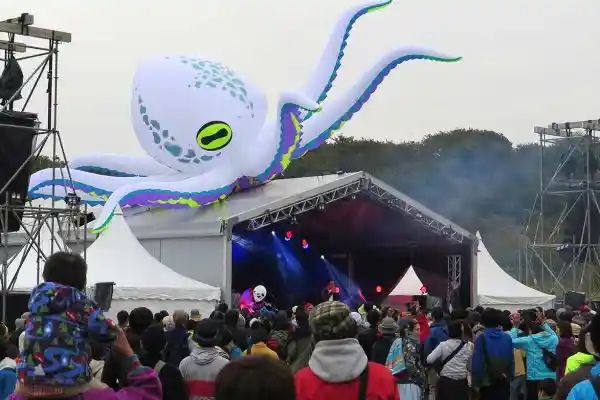
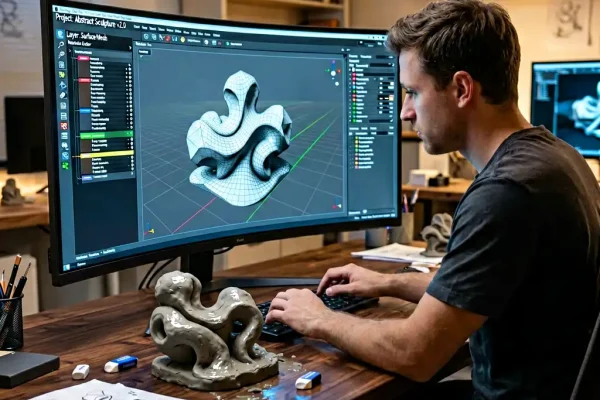
Best For: Figurative statues, monuments, memorials, traditional public art our the birth of sparky the cyber pup project
Bronze has been the sculptor’s material of choice for millennia, and for good reason. The lost-wax casting process captures extraordinarily fine detail, and bronze develops a beautiful natural patina over time that adds character and depth.
Advantages: Bronze sculptures are heirlooms that can last centuries with minimal maintenance. The material captures intricate surface details — hair, fabric folds, facial expressions — better than any other medium. Patinas can be chemically induced in a range of colors from green to brown to black.
Limitations: Bronze is the most expensive option and extremely heavy, requiring substantial foundations and rigging for installation. The casting process is lengthy (often 12–20 weeks) and involves multiple labor-intensive steps.
Cost Range: $5,000 – $30,000+
Lifespan: 25+ years
Best For: Gardens, parks, natural settings, rustic environments, landscape art
Corten steel (also called weathering steel) develops a stable rust-like patina over time that actually protects the underlying metal from further corrosion. Its warm, earthy appearance makes it a natural fit for outdoor settings. our cartoon dragon trendy sculpture project
Advantages: Corten requires no painting or coating — the patina is self-protecting and actually becomes more attractive with age. It is significantly cheaper than stainless steel and bronze, yet still offers good structural strength. The rusted aesthetic blends beautifully with gardens, parks, and natural landscapes.
Limitations: During the first 6–12 months, corten steel “weeps” rust-colored runoff that can stain surrounding concrete, stone, or paving. The patina is not uniform if the sculpture has sheltered and exposed areas. Corten is not suitable for indoor use or coastal environments where salt accelerates corrosion.
Use this decision tree to narrow down your material choice:
Step 1: Where will the sculpture be placed?
→ Indoor or sheltered outdoor → FRP
→ Outdoor → Go to Step 2
Step 2: What is your budget?
→ Under $15,000 → FRP or Corten Steel
→ $15,000 – $50,000 → Stainless Steel or Corten Steel
→ $50,000+ → Bronze or Stainless Steel
Step 3: What aesthetic do you want?
→ Polished, contemporary, reflective → Stainless Steel
→ Traditional, detailed, classic → Bronze
→ Rustic, natural, earthy → Corten Steel
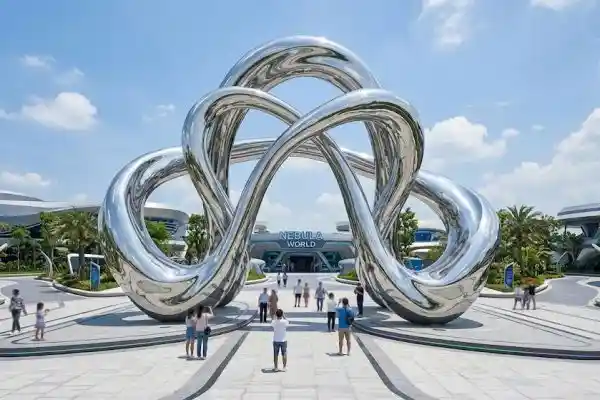
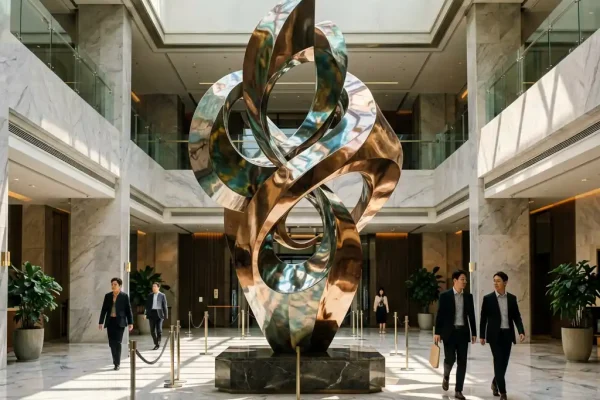
→ Colorful, lightweight, versatile → FRP our the chromium sentinel bringing public spaces to life project
Myth: FRP is “cheap” and low quality. While FRP is the most affordable option, high-quality FRP sculptures use premium resins, proper gel coats, and UV-resistant finishes that produce museum-grade results. The key is choosing an experienced fabricator.
Myth: Stainless steel never needs maintenance. While stainless steel is highly durable, it can develop “tea staining” (surface discoloration) in coastal environments and requires periodic cleaning to maintain its appearance.
Myth: Bronze is always better than other materials. Bronze is outstanding for traditional figurative art, but for modern abstract or large-scale contemporary installations, stainless steel or corten may better suit the design vision. Our material comparison guide — Stainless Steel vs Bronze vs Corten vs FRP: Honest Factory Comparison — covers the pros and cons of each option with real cost data.
Myth: Corten steel rusts through eventually. Corten’s patina is designed to be stable — once formed, it slows further corrosion to near zero. A properly fabricated corten sculpture will last 25+ years without structural degradation.
Still unsure which material is right for your project? Understanding how material choice affects overall project cost can help narrow your options. Contact us and we will help guide your decision. If you are deciding between materials, Fiberglass vs Bronze vs Stone: The Ultimate Material Comparison Guide provides an honest factory-level comparison.
Stainless steel is the best choice for harsh outdoor environments, including coastal, desert, and urban settings. It withstands extreme temperatures, salt air, and UV exposure better than any other common sculpture material.
Yes, with proper UV-resistant coatings and gel coats. However, FRP has a shorter outdoor lifespan (15–25 years) than metal options, and the color may fade over time if not adequately protected.
Choose bronze if you want a traditional, detailed figurative look with a natural patina. Choose stainless steel for contemporary, abstract designs with a reflective or high-tech appearance, especially at larger scales.
During the first year, yes. Corten produces rust-colored runoff after rain. This can be managed with drip edges, gravel beds, or by positioning the sculpture away from light-colored paving and building surfaces.
FRP/fiberglass is consistently the most affordable material for custom sculptures, with prices starting around $3,000 for smaller pieces. It offers excellent value without sacrificing design flexibility.
Choosing the right material is easier with expert guidance. Contact our team to discuss your project requirements, and we will recommend the best material for your vision, budget, and site conditions. We also offer turnkey solutions that cover everything from material selection to installation.
David Chen is Design Director at Y Sculptures with 18+ years in large-scale sculpture design and fabrication. He specializes in FRP, stainless steel, and bronze sculpture engineering, overseeing design-to-production workflows for theme park attractions, public art installations, and brand IP mascots. David has personally directed over 300 custom sculpture projects for clients across 20+ countries.
Browse real projects matching this topic
Continue reading related articles
Explore our full range of custom sculpture services

Learn More →

Learn More →

Learn More →

Learn More →

Learn More →

Custom FRP and fiberglass sculpture manufacturer - design, fabrication, and finishing.
Learn More →
Custom stainless steel, bronze, corten, and aluminum sculpture manufacturer.
Learn More →
Custom Theme Park Sculptures – Bringing Imagination to Life Theme parks, amusement parks, zoos, and entertainment destinations thrive on immersive...
Learn More →
Custom Commercial Sculptures – Elevate Your Brand & Space In today's competitive retail and commercial environment, first impressions matter. Commercial...
Learn More →