
Public Art
Sculpture Installation Services: Professional Setup for Large-Scale Art
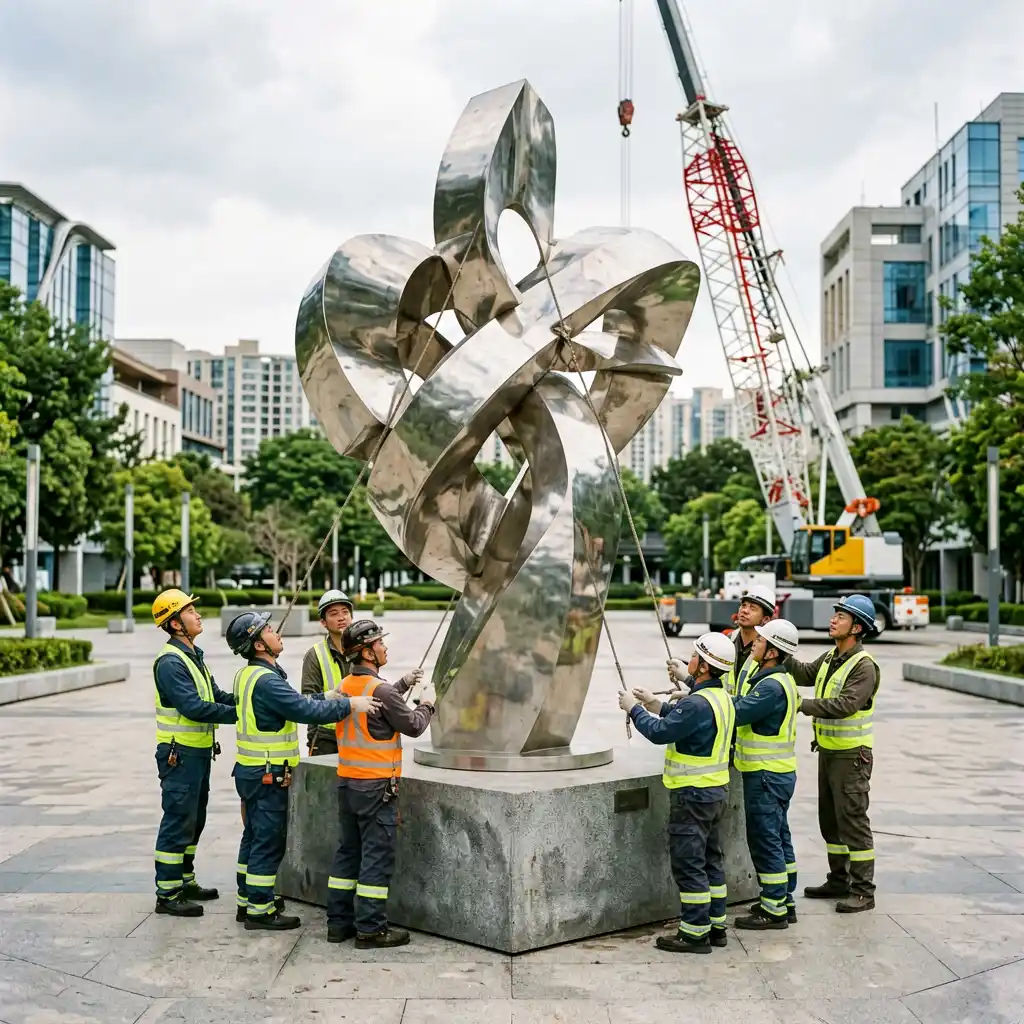
Last spring we flew a crew and a crane to a city park where a 25-foot memorial sculpture was about to change the skyline of a public plaza. The piece itself was magnificent — a soaring figure in brushed stainless steel that had taken our workshop five months to build. And yet the team on site spent more time under the ground than above it, because we all knew a hard truth of our trade: if the foundation is wrong, no sculpture is good enough to save it. If you are planning a similar project, our field notes on installing a 25-foot monument in a city park detail the site surprises nobody prepares for.
Installation is where sculpture s쳮ds or fails. A piece that is perfectly cast, beautifully finished and meticulously shipped will still tilt, crack or become a safety hazard the moment it is set on a footing that was never engineered for it. That is why professional sculpture installation services matter more than most buyers expect. This guide walks through why professional setup matters, what foundations each sculpture type needs, how a real installation runs, and how to keep the work safe for decades.
Why Professional Installation Matters
Large-scale art is heavy, exposed and permanent. A professional installation protects the artwork, the public and the client’s investment in three specific ways.
Safety for large, heavy sculpture
A 20-foot stainless sculpture can weigh several tonnes. Lifted wrongly, rigged without a load plan, or anchored into a footing that cannot take wind and seismic loads, it becomes a liability. Professional crews calculate dead weight, wind area and vibration, then engineer the anchorage to handle them. This is not cautious over-engineering — it is the difference between a landmark and a hazard.
Precise positioning for visual and pedestrian impact
Where a sculpture sits changes how people see it. Sightlines, plaza traffic, the sun at certain hours and the flow of visitors all determine the perfect orientation. Installation teams survey the site, mark a precise footprint and rotate the piece to its exact final angle — the small choices that turn a placed object into a composed artwork.
Long-term maintenance access
Every sculpture needs eventual care. A professional installation leaves access points, removable panels and clearance for cleaning, re-coating and re-anchoring. Plan for maintenance at install time and the sculpture stays serviceable for its whole life, rather than becoming an expensive monument to poor foresight.
Foundation Requirements by Sculpture Type
Foundations are custom for a reason. Here is how requirements scale from a tabletop piece to a civic monument.
Small tabletop sculptures
Small indoor and tabletop works rarely need special foundations. A level display surface, a non-slip pad or a simple plinth is usually enough. Stability and protection from tipping are the only real concerns.
Medium outdoor sculptures
Medium garden and courtyard pieces call for a poured concrete base. The footing must be sized to the sculpture’s footprint and weight, with anchor bolts or embedded plates cast in place. Drainage and a damp-proof membrane keep moisture from wicking up into the base.
Large memorial sculptures
Large monuments demand deep footings, reinforced with rebar and engineered to resist wind and seismic loads. The team may need geotechnical testing of the soil before designing the foundation. Anchor systems are often stainless steel and cast into the concrete so the sculpture can be lifted, levelled and bolted with precision.
Water features and floating installations
Water-bound sculptures bring special challenges: waterproof sealing, corrosion-resistant fixings and, for floating pieces, a buoyancy and mooring system that keeps them stable in changing water levels. Submersible pumps and lighting need waterproof junction boxes and access for servicing.
The Installation Process
A well-run installation follows a repeatable sequence. Rushing any step risks the whole project. For developers planning commercial placements, our step-by-step commercial sculpture installation guide for developers maps each phase to budget and schedule expectations.
Site survey and measurement
We begin by measuring the site, checking underground services and confirming the exact footprint. Laser levels and total stations verify level and plumb so the sculpture lands exactly where the design intended.
Foundation constructio
Where foundations are needed, they are dug, formed, reinforced and poured ahead of delivery. Concrete must cure to full strength before the sculpture is loaded onto it — typically several days, so foundations are scheduled first.
Choosing lifting equipment
A crane is essential for anything large or heavy; a small piece may be handled manually or with a telehandler. The choice depends on weight, reach, site access and overhead clearance. Riggers plan the lift points so the sculpture’s finish is never scratched and its balance is never compromised.
Positioning and levelling
The sculpture is lifted into place, shimmed and levelled, then rotated to its final orientation. Precise shimming distributes weight evenly and avoids point loading that could stress the base.
Fixing and sealing
Anchors are torqued to specification, grouted or sealed, and any exposed steel is protected from corrosion. Waterproofing is applied where the sculpture meets the ground so moisture cannot enter the base.
Final inspectio
The team re-checks level, plumb and anchorage, walks the site for hazards, and hands over with a documentation pack covering torque values, materials and maintenance points.
Installation Locations & Considerations
Different settings impose different constraints on an installation.
Indoor atriums and lobbies
Weight limits, ceiling height, artificial lighting and pedestrian flow all matter indoors. Access through doorways and lifts constrains how the sculpture can arrive, and floor-loading ratings dictate how heavy a piece can safely stand.
Outdoor plazas and squares
Plazas demand a robust foundation, good drainage and wind resistance. Plinth height, shading and how the piece anchors to paving all influence durability and public safety.
Water environments
Pools, lakes and fountains require waterproof sealing, marine-grade fixings and protection from corrosion. Floating works need mooring systems engineered for wave and level changes.
Landscape gardens
In gardens, aesthetics and maintenance access matter most. The sculpture should sit naturally in its setting while leaving clear access for mowing, pruning and future servicing.
Maintenance After Installatio
A sculpture’s life is decided by what happens after the crane leaves.
Regular inspection checklist
Inspect anchors and fixings for corrosion, check for hairline cracks or finish damage, verify levelling and confirm drainage is not blocked. Do this at least once a year, and after severe storms.
Cleaning and care frequency
Outdoor sculptures should be cleaned one to two times a year with methods suited to their material — mild detergents and soft cloths for finished surfaces, specialised products for metals and weathering steel. Keep the schedule simple so it actually happens.
Damage repair workflow
If a piece is damaged, the safest path is to assess, photograph and report before attempting any repair. Structural damage needs professional attention; cosmetic touch-ups can often be scheduled without removing the sculpture. For a full breakdown of upkeep, read our outdoor sculpture maintenance guide.
FAQ
Do you provide installation services internationally?
Yes. We coordinate international shipping and can dispatch an experienced installation crew or supervise local contractors to our engineering specifications. Distance is managed through clear documentation and remote quality control.
What are the foundation requirements for large sculptures?
Large sculptures generally need a reinforced concrete footing engineered for their weight, wind area and local soil, with stainless steel anchors cast in place. We assess the site and provide the exact foundation design before any concrete is poured.
How long does a typical installation take?
A small indoor installation can be completed in a single day, while a large monument with a custom foundation typically takes several days — largely because the concrete must cure before the sculpture is loaded onto it.
What safety measures are taken during installation?
We plan every lift with riggers, use certified lifting equipment, calculate load limits and wind loads, and keep the work zone clear of the public. Anchorage is engineered and torqued to specification so the finished sculpture is structurally sound.
Is post-installation maintenance included?
Yes. Our service packages include a post-installation inspection and a documented maintenance plan covering anchors, cleaning schedules and repair procedures, so your sculpture stays safe and beautiful for years.
Ready to install a large-scale sculpture that will stand the test of time? Talk to our team about custom large sculpture manufacturing and professional on-site installation.
Frequently Asked Questions
Do you provide installation services internationally?
Yes. We deploy installation crews worldwide for large sculptures. Local installers can be trained via video calls for smaller projects.
What are the foundation requirements for large sculptures?
Depends on size and weight. Small pieces (3m): deep reinforced concrete foundation with rebar.
How long does a typical installation take?
Small pieces: 1-2 hours. Medium pieces: 1 day. Large monuments: 2-5 days including foundation work.
What safety measures are taken during installation?
We follow OSHA safety standards. All crew wear PPE, use proper rigging equipment, and secure work zones. Insurance coverage included.
Is post-installation maintenance included?
Basic maintenance guide provided. Extended maintenance contracts available for large installations with annual inspection plans.
J
Written by James Liu
James Liu is Project Manager at Y Sculptures, specializing in end-to-end custom sculpture project delivery for commercial, hospitality, and public art sectors. With 12 years in the industry, James coordinates design approvals, material sourcing, fabrication timelines, international shipping logistics, and on-site installation. He has successfully delivered 500+ projects to 30+ countries.
Related Projects
Browse real projects matching this topic
Related Insights
Continue reading related articles
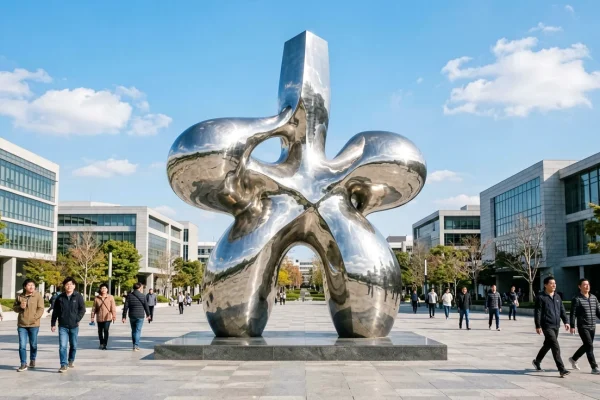
Custom Sculpture Insights & Guides
Aug 24, 2026
Public Art Sculpture: Types, Commissioning & Placement Guide
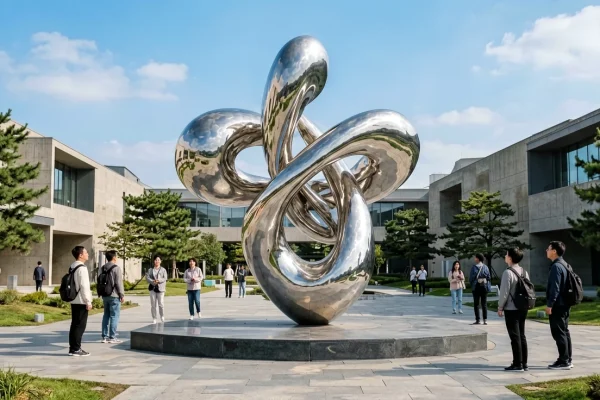
Custom Sculpture Insights & Guides
Aug 20, 2026
Sculpture & Art Trends 2026: What Buyers Want in Custom Pieces
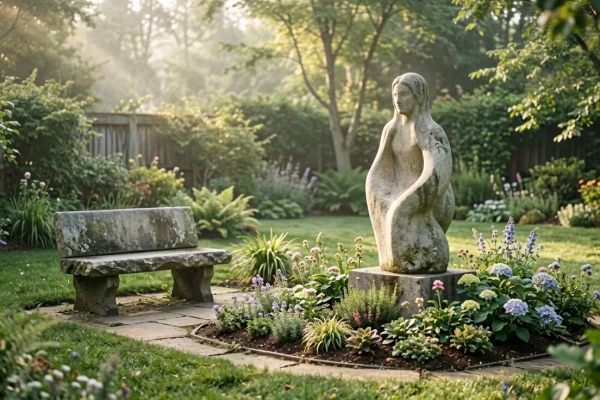
Custom Sculpture Insights & Guides
Aug 20, 2026
Memorial Sculpture Ideas: Honoring Loved Ones & Pets Outdoors
Our Sculpture Solutions
Explore our full range of custom sculpture services

IP Character Replication
Learn More →

Large Sculpture Custom
Learn More →

Original IP Development
Learn More →

Solutions Services
Learn More →

Custom Inflatables
Learn More →

FRP & Fiberglass Sculpture Manufacturing
Custom FRP and fiberglass sculpture manufacturer - design, fabrication, and finishing.
Learn More →
Stainless Steel & Metal Sculpture Manufacturing
Custom stainless steel, bronze, corten, and aluminum sculpture manufacturer.
Learn More →
Theme Park Sculpture Services – Custom Amusement Park Statues
Custom Theme Park Sculptures – Bringing Imagination to Life Theme parks, amusement parks, zoos, and entertainment destinations thrive on immersive...
Learn More →
Commercial Sculpture Services – Custom Brand Mascots & Mall Art
Custom Commercial Sculptures – Elevate Your Brand & Space In today's competitive retail and commercial environment, first impressions matter. Commercial...
Learn More →