
Material Science
Lost Wax Casting: Traditional Bronze Sculpture Process Guide
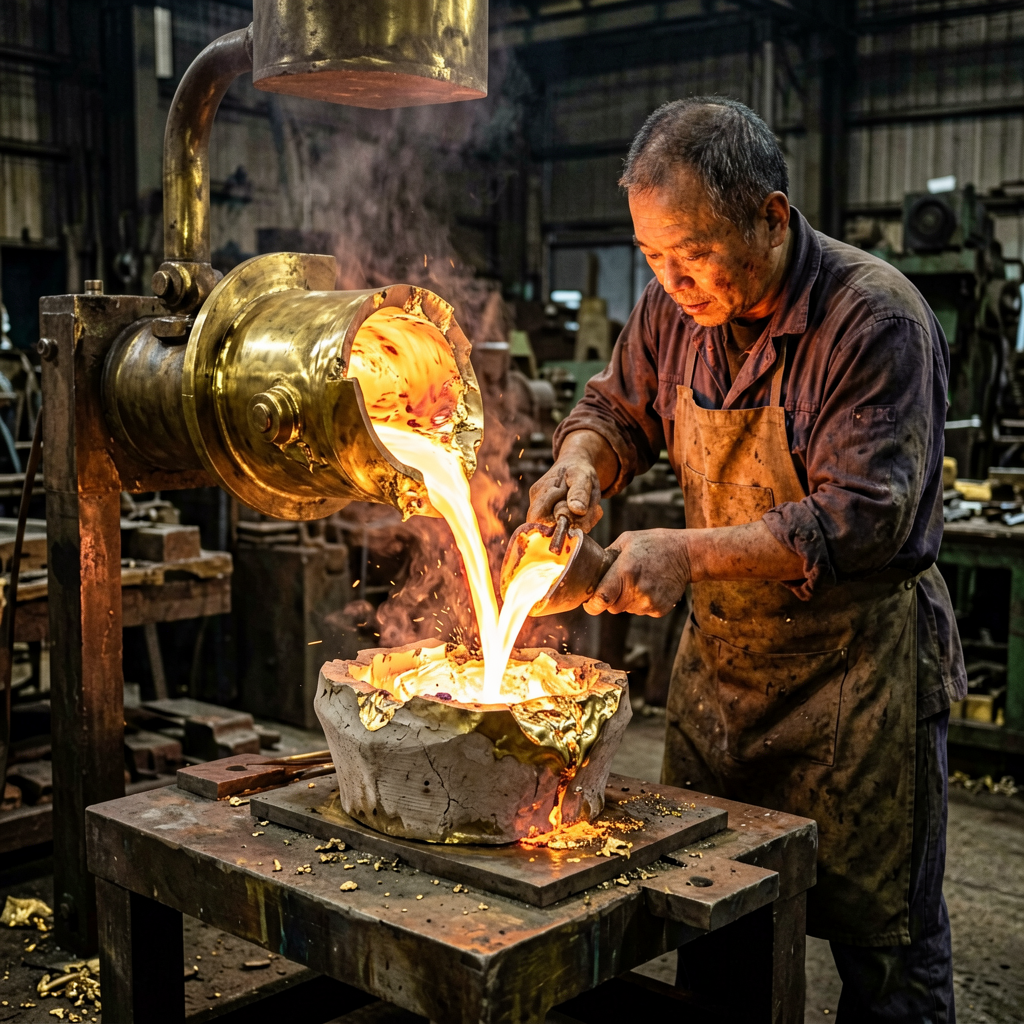
Considering bronze lost wax casting for a large sculpture and wondering how the process actually works, what it costs, and how long it takes? As a casting foundry that produces investment casting sculpture for architects, artists and institutions around the world, we walk through the traditional bronze process stage by stage so you know exactly what to expect before you commission your piece.
What Is Lost Wax Casting?
Lost wax casting, also called the cire-perdue method, is one of the oldest sculptural casting methods in history, with examples dating back more than 6,000 years. The name comes from the technique itself: a wax model is melted and “lost” out of the mould, leaving a cavity that is then filled with molten bronze. Today it remains the preferred traditional bronze process for fine art because it captures detail that no other casting method can match.
Unlike direct methods that work with a permanent mould, lost wax technique produces a hollow bronze that is lighter, stronger and more economical on metal. For a factory that values classical sculpture manufacturing, this is the foundation of every bronze figure we ship.
The Lost Wax Casting Process: Step by Step
The bronze foundry process for a sculpture is a nine-stage workflow. Each stage is a craft discipline on its own, and the quality of the final piece depends on how carefully every one is executed.
- Original sculpt – the artist models the piece in clay or wax, establishing the form and surface.
- Mould making – a flexible silicone rubber mould is cast over the original to capture every detail.
- Wax copy productio
– molten wax is brushed and poured into the mould to produce a hollow wax replica. - Wax assembly and spruing – the wax is chased, and a network of wax “sprues” is attached to create channels for the metal.
- Investment – the sprued wax is dipped in ceramic slurry to build a heat-resistant shell.
- Dewaxing – the mould is heated in an autoclave, melting out the wax and leaving a precise cavity.
- Bronze pouring – the shell is fired and molten bronze is poured into the empty cavity.
- Breakout and cleanup – the shell is hammered away, and gates and sprues are cut off and ground smooth.
- Patination and sealing – chemicals and heat colour the surface, and a protective wax seal locks in the finish.
For large pieces the workflow scales up, but the sequence stays identical. The engineering behind the spruing and the shell thickness is where a specialist bronze sculpture casting foundry earns its reputation.
Lost Wax vs Sand Casting for Bronze
The most common question clients ask is how lost wax compares to sand casting. Sand casting is faster and cheaper for simple geometry, but it cannot reproduce the undercuts, fine texture and crisp edges that lost wax delivers.
| Factor | Lost Wax Casting | Sand Casting |
|---|---|---|
| Detail reproductio | Excellent – captures fingerprint-fine texture | Good – loses fine undercuts and surface detail |
| Complexity handling | Handles undercuts, hollow forms, intricate relief | Limited to simpler, draft-friendly shapes |
| Surface finish | Smooth, minimal chasing required | Rougher – more grinding and welding |
| Size range | Small to monumental (hollow cast) | Small to medium, solid or simple cores |
| Relative cost | Higher – more skilled labour and steps | Lower for simple pieces |
| Best for | Fine art, editions, architectural bronze | Utility parts, simple signage, functional bronze |
If your priority is a gallery-grade surface with full artistic control, the bronze foundry process should be investment casting. If you need functional hardware at a tight budget, sand casting may be the practical sculptural casting method.
Applications of Bronze Lost Wax Casting
Because it reproduces fine detail so faithfully, bronze lost wax casting serves four main applications. Fine art sculpture is the classic use, where the artist’s tool marks must survive the process intact. Memorial monuments rely on the method for dignified, long-lasting portraiture that weathers decades of outdoor exposure.
Architectural bronze – railings, door furniture, decorative panels – benefits from the crisp relief and repeatable quality the process allows. Artistic casts, produced as numbered editions, use the same master mould to create multiple identical pieces, each finished by hand. For anyone commissioning a one-off figure or a small edition, lost wax technique is the industry standard.
How Much Does Bronze Lost Wax Casting Cost?
Cost is the biggest concern for buyers, and it varies with four main factors. Pattern complexity drives the mould-making and chasing time; the more surface detail and undercuts, the higher the labour. Size and weight set the metal cost, though hollow casting keeps weight down for large pieces.
Surface treatment and edition size also matter. A unique commission with a hand-applied patina costs more per piece than a run of identical casts where tooling is amortised across the series.
| Sculpture Size | Typical Weight | Indicative Range | Lead Time |
|---|---|---|---|
| Small (under 0.6m) | 15 – 40 kg | $2,500 – $8,000 | 6 – 8 weeks |
| Medium (0.6 – 1.5m) | 60 – 200 kg | $8,000 – $30,000 | 8 – 12 weeks |
| Large (1.5 – 3m) | 300 – 800 kg | $30,000 – $90,000 | 12 – 16 weeks |
| Monumental (3m+) | 1+ tonnes | $90,000+ (project quote) | 16 – 24 weeks |
These figures are broad benchmarks, not quotes. The best way to get an accurate price is to share your dimensions and reference images with a foundry so the pattern complexity can be assessed properly.
Timeline and Quality Control
Most bronze commissions run eight to sixteen weeks from approved artwork to delivery. The timeline depends mainly on sculpting time, the number of pieces in an edition, and whether you need a patina sample approved before production begins.
| Stage | Small / Simple | Medium | Large / Monumental |
|---|---|---|---|
| Sculpting and mould | 1 – 2 weeks | 2 – 4 weeks | 4 – 8 weeks |
| Wax and shell | 1 week | 1 – 2 weeks | 2 – 4 weeks |
| Casting and cleanup | 1 – 2 weeks | 2 – 3 weeks | 3 – 6 weeks |
| Patination and sealing | 1 week | 1 – 2 weeks | 2 – 3 weeks |
| Total | 6 – 8 weeks | 8 – 12 weeks | 12 – 24 weeks |
Quality control at a serious bronze foundry focuses on three things. Wall thickness must stay consistent so the hollow cast is structurally sound. Surface finish is checked against the approved sample before patination. And patina consistency matters for editions, where every cast in a series should match its siblings.
Key Takeaways: Is Lost Wax Casting Right for You?
Choose bronze lost wax casting when you need uncompromising detail, a hollow and durable structure, and a surface you can finish to a true gallery standard. It is the right call for fine art, editions and architectural bronze where quality outweighs unit cost.
For simpler functional pieces on a strict budget, sand casting is a viable alternative. Whichever traditional bronze process you choose, work with a foundry that shows you samples, explains its quality checks, and gives you a clear timeline and a written price breakdown before you commit.
We produce bronze, stainless steel and FRP sculptures for clients worldwide. Browse our bronze sculpture projects to see finished castings, or compare bronze against other materials in our stainless steel vs bronze vs corten vs FRP guide. If you have a piece in mind, review our sculpture services and contact our team for a custom quote.
L
Written by Lisa Wang
Lisa Wang is Production & Quality Manager at Y Sculptures, bringing 14 years of hands-on experience in sculpture manufacturing, material science, and quality control. She leads the factory's ISO-compliant QC process, from raw material inspection to pre-shipment verification. Lisa has managed production for 2,800+ sculptures, ensuring precision in color matching, structural integrity, and surface finishing.
Related Projects
Browse real projects matching this topic
Related Insights
Continue reading related articles
Custom Sculpture Insights & Guides
Aug 24, 2026
Stainless Steel Sculpture: Types, Finishes & Outdoor Applications
Our Sculpture Solutions
Explore our full range of custom sculpture services

IP Character Replication
Learn More →

Large Sculpture Custom
Learn More →

Original IP Development
Learn More →

Solutions Services
Learn More →

Custom Inflatables
Learn More →

FRP & Fiberglass Sculpture Manufacturing
Custom FRP and fiberglass sculpture manufacturer - design, fabrication, and finishing.
Learn More →
Stainless Steel & Metal Sculpture Manufacturing
Custom stainless steel, bronze, corten, and aluminum sculpture manufacturer.
Learn More →
Theme Park Sculpture Services – Custom Amusement Park Statues
Custom Theme Park Sculptures – Bringing Imagination to Life Theme parks, amusement parks, zoos, and entertainment destinations thrive on immersive...
Learn More →
Commercial Sculpture Services – Custom Brand Mascots & Mall Art
Custom Commercial Sculptures – Elevate Your Brand & Space In today's competitive retail and commercial environment, first impressions matter. Commercial...
Learn More →