
Cost & Budget
Custom Sculpture Budgeting: Cost Breakdown & Savings Tips

Commissioning a custom sculpture for a commercial, public art, or hospitality project is a significant capital investment. Unlike off-the-shelf decor, every bespoke sculpture is a one-off engineered artwork — and its cost reflects the full chain of design, engineering, fabrication, finishing, logistics, and site installation. Without a structured budgeting framework, project owners frequently encounter cost overruns of 20–40% without a structured procurement and budgeting framework. For the full picture on pricing and budgeting, we recommend reading Custom Sculpture Pricing 2026: Cost Breakdown by Material & Size.
This guide provides a complete, phase-by-phase cost breakdown of custom sculpture projects, analyzes the key factors that drive pricing, and delivers actionable savings strategies to help you maximize value without compromising artistic or structural quality. Whether you are sourcing an FRP installation for a hotel lobby or a monumental bronze for a civic plaza, understanding these cost drivers is your first step toward a predictable, on-budget project.
Complete Cost Breakdown by Phase
A typical custom sculpture project passes through seven distinct phases. Below we break down the percentage of total cost each phase typically represents, along with the specific line items involved.
1. Concept & Design (8–15% of total cost)
This phase covers the artist’s creative fee, 3D modeling, digital sculpting, and client revisions. For complex projects, a physical maquette (small-scale model) may be produced in clay or 3D-printed resin. Expect to budget $2,000–$15,000 depending on the sculptor’s reputation, the number of design iterations, and the detail level required. Digital-only workflows (CAD/STL files) reduce maquette costs but may require higher engineering input later.
2. Mold Making & Tooling (12–20% of total cost)
For cast materials (FRP, bronze, fiberglass), a mold must be created from the master pattern. Silicone molds for intricate surfaces, multi-part molds for undercuts, and large-format molds for monumental pieces all increase cost. Mold fabrication generally runs $3,000–$25,000. This is a one-time cost that can be amortized if multiple copies are cast, a factor worth considering for branded or multi-location installations.
3. Materials (15–30% of total cost)
Raw material costs vary dramatically by medium: stainless steel sheet (304 or 316L), bronze ingot, FRP resin and fiberglass mat, or architectural concrete. For large pieces, material alone can range from $5,000 to $50,000+. Bronze and stainless steel are costlier upfront but offer superior longevity; FRP and fiberglass provide lower entry costs with excellent design flexibility. A detailed material cost compariso
is available on our solutions page. If you are working with a budget, our cost guide — How Much Does a Custom Sculpture Cost? A Complete 2026 Pricing Guide — breaks down the numbers by material and size.
4. Fabrication & Labor (25–40% of total cost)
The largest single cost driver. Skilled welders, chasers, laminators, and foundry workers command premium rates. Complex geometries, tight tolerances, and large scale all multiply labor hours. For a 12-foot stainless steel sculpture, fabrication can exceed 600 labor hours. This phase is where choosing an experienced custom sculpture manufacturer with optimized manufacturing workflows yields the greatest savings.
5. Surface Finishing (5–10% of total cost)
Finishing includes sandblasting, grinding, polishing, patination, powder coating, or protective clear coats. Specialty finishes — such as mirror-polished stainless steel, multi-layer patinas on bronze, or UV-resistant automotive paint on FRP — add cost. Budget $1,500–$8,000 for standard finishes; premium finishes can double that.
6. Crating & Shipping (5–12% of total cost)
Custom crating for oversized or fragile sculptures is non-trivial. A steel-framed crate with foam interior can cost $1,000–$5,000. International shipping via LCL or dedicated container adds $2,000–$15,000 depending on volume, origin (typically China for Y Sculptures), and destination. White-glove domestic delivery from port to site must also be factored.
7. Installation (8–15% of total cost)
Site installation covers crane or boom-lift rental, rigging hardware, concrete anchor systems, and on-site labor. For monumental pieces, foundation engineering and preparation (see our Healing Presence Elephant installatio
for a real-world example) can match the installation cost itself.
Key Factors That Drive Sculpture Cost
Understanding the variables lets you make trade-offs that align with your budget and vision. Here are the six most impactful factors:
| Factor | Low Cost | Medium Cost | High Cost |
|---|---|---|---|
| Size | Under 4 ft (tabletop) | 4–12 ft (room-scale) | 12+ ft (monumental) |
| Complexity | Simple geometric forms | Organic curves, moderate detail | Hyper-realistic, intricate negative space |
| Material | FRP / fiberglass | Stainless steel (304) | Bronze / stainless 316L |
| Finish | Single-color paint | Patina / brushed metal | Mirror polish / multi-layer patina |
| Locatio |
Domestic, easy access | Domestic, restricted access | International / remote site |
| Timeline | 12+ weeks lead time | 6–12 weeks | Rush / under 4 weeks |
Cost Comparison by Sculpture Type
The table below compares typical all-in costs (design through installation) for common commercial sculpture types, based on an 8–12 ft final piece:
| Sculpture Type | Typical All-In Cost (USD) | Fabrication Time | Best For |
|---|---|---|---|
| FRP Sculpture (painted) | $15,000–$45,000 | 6–10 weeks | Indoor/outdoor, lightweight, complex shapes |
| Fiberglass Sculpture (gelcoat) | $12,000–$38,000 | 5–8 weeks | Budget-conscious projects, moderate detail |
| Stainless Steel (brushed) | $28,000–$80,000 | 8–14 weeks | Modern architecture, high-durability |
| Stainless Steel (mirror polish) | $35,000–$95,000 | 10–16 weeks | Luxury hospitality, high-visibility |
| Bronze (hollow cast) | $40,000–$120,000 | 12–20 weeks | Public art, heritage projects |
| Mixed Media / LED | $30,000–$100,000+ | 10–18 weeks | Interactive, contemporary installations |
For reference, see our completed The Timeless Flow (stainless steel) and Whispers of Nature (FRP) projects, which illustrate the range of budgets across different material choices. For a deeper examination of material properties and performance trade-offs, refer to our ultimate material comparison guide.
10+ Proven Savings Strategies for Custom Sculpture Projects
- Choose FRP or fiberglass for large-scale but budget-conscious projects. These materials offer 30–50% cost savings over bronze while still accepting a wide range of finishes and patina effects.
- Reduce design iterations. Lock in the design brief and reference materials before the sculptor begins 3D modeling. Each revision round adds $500–$2,000.
- Combine multiple pieces in a single production run. If your project calls for multiple sculptures, producing them simultaneously shares mold, tooling, and finishing costs.
- Select brushed over mirror-polished stainless steel. Mirror polishing adds 30–60% to the finishing cost for a visual effect that may only be appreciated at close range.
- Optimize shipping by splitting inland and ocean freight. Use LCL for smaller pieces and consolidate multiple crates into one container for larger orders to reduce per-unit freight. Our transportation and logistics guide for large-scale sculpture shipping provides detailed strategies for optimizing freight costs.
- Pre-install foundations and site prep locally. Engaging a local contractor for foundation work avoids international mobilization charges for the sculpture manufacturer.
- Specify standard material thicknesses. Custom-gauge metal sheets require special ordering and increase both material cost and lead time.
- Plan for off-peak production. If your timeline allows, scheduling fabrication during the manufacturer’s slower months (typically Q1) can yield 5–10% discounts.
- Use hollow construction where possible. For both bronze (lost-wax) and stainless steel (fabricated plate), hollow or shell construction saves 20–40% in material weight versus solid.
- Negotiate installation as a bundled service. Manufacturers who offer turnkey installation often provide better all-in pricing than hiring separate installation contractors.
- Build a 10–15% contingency into your budget. This isn’t a savings strategy per se, but preventing surprise overruns is the most effective budget-management tool of all.
- Request a fixed-price quotation with clear scope boundaries. A detailed scope of work prevents change-order creep. Ensure it covers crating, delivery to a single address, and standard surface preparation of the site.
Conclusion: Building a Realistic Sculpture Budget
A successful custom sculpture project begins with a budget that accounts for every phase — from concept through installation — and builds in realistic contingencies. By understanding the cost drivers outlined in this guide and applying the savings strategies above, project owners, architects, and developers can commission exceptional artwork that meets both aesthetic goals and financial parameters.
At Y Sculptures, we specialize in cost-transparent custom fabrication across FRP, stainless steel, bronze, and fiberglass. Contact our team for a detailed quotation tailored to your project scope.
L
Written by Lisa Wang
Lisa Wang is Production & Quality Manager at Y Sculptures, bringing 14 years of hands-on experience in sculpture manufacturing, material science, and quality control. She leads the factory's ISO-compliant QC process, from raw material inspection to pre-shipment verification. Lisa has managed production for 2,800+ sculptures, ensuring precision in color matching, structural integrity, and surface finishing.
Related Projects
Browse real projects matching this topic

Related Insights
Continue reading related articles

Custom Sculpture Insights & Guides
Aug 24, 2026
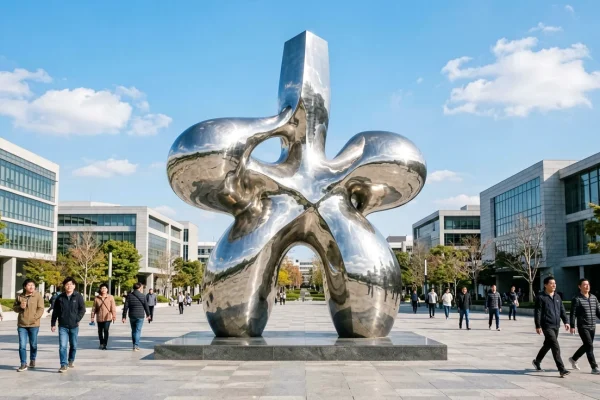
Stainless Steel Sculpture: Types, Finishes & Outdoor Applications
Custom Sculpture Insights & Guides
Aug 24, 2026
Public Art Sculpture: Types, Commissioning & Placement Guide
Custom Sculpture Insights & Guides
Aug 24, 2026
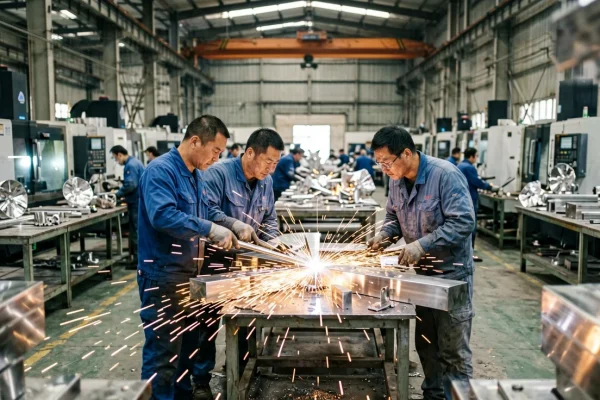
China Sculpture Manufacturer: How to Choose a Reliable Custom Factory
Our Sculpture Solutions
Explore our full range of custom sculpture services

IP Character Replication
Learn More →

Large Sculpture Custom
Learn More →

Original IP Development
Learn More →

Solutions Services
Learn More →

Custom Inflatables
Learn More →

FRP & Fiberglass Sculpture Manufacturing
Custom FRP and fiberglass sculpture manufacturer - design, fabrication, and finishing.
Learn More →
Stainless Steel & Metal Sculpture Manufacturing
Custom stainless steel, bronze, corten, and aluminum sculpture manufacturer.
Learn More →
Theme Park Sculpture Services – Custom Amusement Park Statues
Custom Theme Park Sculptures – Bringing Imagination to Life Theme parks, amusement parks, zoos, and entertainment destinations thrive on immersive...
Learn More →
Commercial Sculpture Services – Custom Brand Mascots & Mall Art
Custom Commercial Sculptures – Elevate Your Brand & Space In today's competitive retail and commercial environment, first impressions matter. Commercial...
Learn More →