
Custom Sculpture Insights & Guides
Commercial Sculpture Installation: Step-by-Step Guide for Developers
Installing a large commercial sculpture is a complex engineering operation that goes far beyond simply placing an artwork on a plinth. For developers, architects, and project managers commissioning their first — or tenth — major sculpture, understanding the installation process is critical to avoiding costly delays, structural failures, and safety incidents. This step-by-step guide walks through every phase of commercial sculpture installation, from initial site survey through the final unveiling, based on best practices honed across hundreds of installations at Y Sculptures. Our manufacturing guide — How Custom Sculptures Are Made: From Concept to Installation in 10 Steps — covers everything from mold-making to final finishing.
Pre-Installation Planning
The foundation of a successful installation — literally and figuratively — is thorough pre-installation planning. This phase typically begins 8–12 weeks before the scheduled installation date and involves four critical streams of work:
- Site Survey — A structural engineer visits the site to assess ground conditions, soil bearing capacity, underground utilities, drainage, and existing slab integrity. For plaza or rooftop installations, load-bearing capacity of the underlying structure must be confirmed. A geotechnical investigation is recommended for ground-mounted sculptures over 2,000 kg.
- Foundation Engineering — Based on the sculpture’s weight, wind load profile, and seismic zone, the engineer designs a foundation system. This ranges from a simple reinforced concrete pad (for lightweight pieces) to deep pile foundations (for monumental works). The design must account for overturning moment — a tall, narrow sculpture in a wind-exposed location creates significant leverage.
- Crane Access & Logistics — A crane lift plan is prepared, identifying crane type, boom length, lift radius, and rigging points. The path from delivery truck to final position must be clear of overhead obstructions (power lines, tree canopies, building overhangs) and have sufficient ground compaction for crane outriggers.
- Weather Windows — Installation should be scheduled during a period of forecast dry weather. Wind speeds above 20 km/h and rain are both grounds for postponement. Many contracts specify a 5-day weather window to allow for contingencies.
During planning, it’s essential to coordinate with all stakeholders: the sculpture fabricator, foundation contractor, crane company, rigging crew, client representative, and sometimes the artist. Weekly coordination calls in the month leading up to installation prevent last-minute surprises. For custom large-scale pieces, Y Sculptures provides full engineering and logistics support as part of our fabrication package. The full fabrication workflow, including quality checks at each stage, is detailed in Custom Sculpture Manufacturing: 7-Step Process Guide.
Foundation & Anchoring Requirements
The foundation must be designed to safely transfer the sculpture’s dead load, live load (wind, seismic, snow), and any dynamic loads (vibration, crowd loading) to the ground. The table below maps typical foundation types to sculpture weight ranges:
| Sculpture Weight | Foundation Type | Typical Dimensions | Cure Time | Anchor System |
|---|---|---|---|---|
| Light (<500 kg) | Concrete pad, unreinforced or lightly reinforced | 1.0m × 1.0m × 0.3m | 7 days | Cast-in-place J-bolts or chemical anchors |
| Medium (500 – 2,000 kg) | Reinforced concrete footing with rebar cage | 1.5m × 1.5m × 0.6m | 14 days | Cast-in-place anchor bolts + base plate template |
| Heavy (>2,000 kg) | Pile foundation or deep reinforced mat | 2.0m+ × 2.0m+ × 1.0m+ (engineered) | 21–28 days | High-strength threaded rods + grouted sleeves |
Anchor bolt placement must be accurate to within ±3 mm — a tolerance that requires either a precision steel template (for cast-in bolts) or oversized bolt holes with subsequent grouting (for chemical anchors). For FRP sculptures, the lightweight nature of the material means foundations can often be reduced by 40–60% compared to equivalent metal pieces, representing a meaningful cost saving for the project.
Transportation & On-Site Handling
Getting a large sculpture from the fabrication facility to the installation site requires careful logistics. The mode of transport depends primarily on the sculpture’s dimensions and fragility:
- Crated shipment — For sculptures under 3 meters, a custom plywood crate with internal foam padding is the standard. The crate is marked with rigging points, center of gravity, and “This Side Up” indicators.
- Flatbed truck — Pieces 3–8 meters in length travel on flatbed trucks with tiedown straps over padded contact points. A pilot car (escort vehicle) is required for overwidth loads in many jurisdictions.
- Containerized or open-top container — For international shipments, FRP sculptures can be containerized; oversized bronze or steel pieces often require open-top or flat-rack containers.
- Specialized heavy haul — Monumental sculptures over 8 meters require low-bed trailers, police escorts, and route surveys for bridge clearances and road weight limits.
On-site, the sculpture is typically transferred from the delivery truck to the crane using a spreader bar (for balanced lifting) or multiple slings (for complex geometries). Every lifting point must be load-rated and independently verified. Soft slings (nylon or polyester) are preferred over chains to avoid marring painted or polished surfaces. Y Sculptures’ integrated service offering includes transportation coordination, customs clearance, and on-site installation supervision.
Installation Day Procedure
Installation day follows a tightly sequenced 5-step procedure designed to minimize the time the sculpture is suspended and vulnerable:
- Delivery & Inspection — The sculpture arrives and undergoes a joint inspection by the installer, client representative, and (ideally) the artist. Any shipping damage is documented with photographs. The surface finish, anchor alignment, and overall condition are verified against the approved sample.
- Crane Rigging & Lifting — The crane is positioned according to the lift plan. Rigging is attached to pre-designated lift points. A test lift (raising the sculpture 30 cm off the ground) confirms stability and balance before the full lift begins.
- Positioning & Alignment — The sculpture is lowered onto the anchor bolts with a crane operator following hand signals from a dedicated signalperson. Shims are used for fine height adjustment. Laser levels and digital inclinometers confirm plumb and level to within specifications (typically ±1° from vertical).
- Anchoring & Grouting — Once positioned, nuts are torqued to specification in a cross-tightening sequence. The gap between the base plate and foundation is filled with non-shrink structural grout. For FRP sculptures, a flexible sealant may be used at the base to accommodate thermal movement.
- Final Touch-Up — Any scratches, scuffs, or abrasions incurred during installation are repaired. For painted FRP, this means spot-sanding and re-spraying with color-matched paint. For stainless steel, re-polishing may be needed. For bronze, patina touch-up is carefully matched to the existing surface.
Post-Installation Quality Checks
After installation — but before the unveiling — a comprehensive quality checklist is completed:
- Alignment verification — Confirm plumb, level, and orientation ± specified tolerances using laser measurement.
- Structural integrity — Inspect all welds, bolts, and anchor points. Torque-check critical fasteners.
- Surface finish — Inspect under multiple lighting conditions (direct sun, overcast, evening) for visible defects.
- Coating repair — Verify all touch-up paint has cured and color-matched. For stainless steel, confirm mirror-polish uniformity.
- Safety check — Ensure no sharp edges, loose components, or tripping hazards exist at the sculpture base.
- Documentation — Photograph the completed installation from all key viewing angles. Provide the client with an as-built report.
Maintenance Schedule for Commercial Sculptures
A sculpture’s long-term appearance depends on a consistent maintenance program. The following schedule covers the three most common materials:
| Frequency | FRP Sculpture | Bronze Sculpture | Stainless Steel Sculpture |
|---|---|---|---|
| Monthly | Visual inspection for cracks, chips, or coating failure | Visual inspection for corrosion or structural issues | Wipe with microfiber cloth; inspect for tea staining |
| Quarterly | Rinse with fresh water; remove bird droppings immediately | Dust with soft brush; rinse with deionized water | Clean with mild soap and water; dry thoroughly |
| Annually | Apply UV-protective wax or sealant; check anchor bolts for torque | Apply microcrystalline wax (e.g., Renaissance Wax); inspect patina | Full polish with stainless steel cleaner; inspect welds |
| Every 5–7 Years | Re-coat gel coat or repaint; structural integrity assessment | Professional patina restoration if needed; re-anchor check | Professional re-polishing; re-passivation treatment |
For complex installations or high-traffic public spaces, Y Sculptures offers ongoing maintenance contracts covering inspection, cleaning, and restoration. Visit our Large Sculpture Custom page to explore our portfolio or Services page to discuss your project’s installation and maintenance needs.
D
Written by David Chen
David Chen is Design Director at Y Sculptures with 18+ years in large-scale sculpture design and fabrication. He specializes in FRP, stainless steel, and bronze sculpture engineering, overseeing design-to-production workflows for theme park attractions, public art installations, and brand IP mascots. David has personally directed over 300 custom sculpture projects for clients across 20+ countries.
Related Projects
Browse real projects matching this topic
Inflatable Sculpture
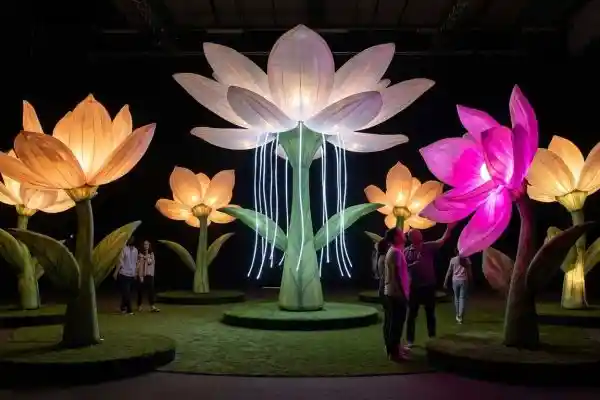
“Garden of Light” — Interactive Inflatable Flower Sculpture
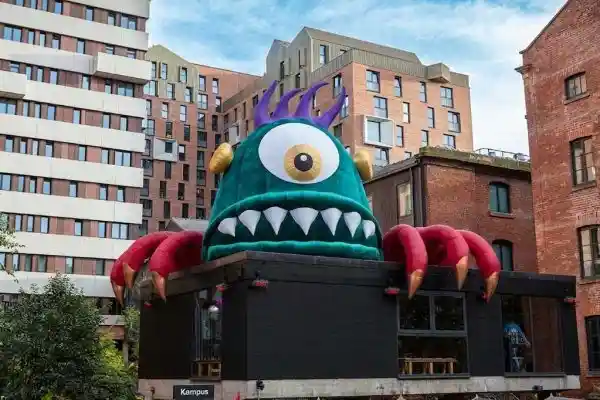
Inflatable Sculpture
“The Urban Sentinel” art installation
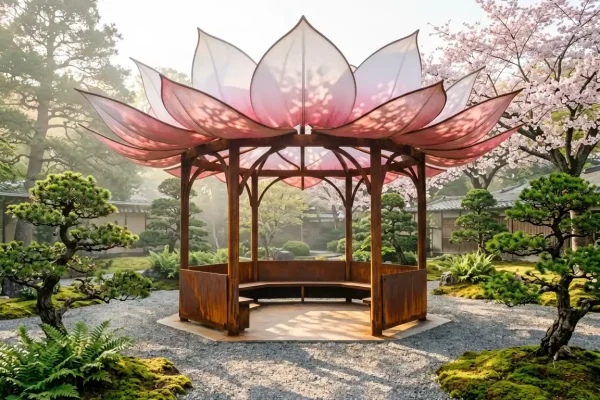
Gardens & Resorts
“Whisper Pavilion” — Corten Steel & FRP Botanical Garden Sculpture
Related Insights
Continue reading related articles
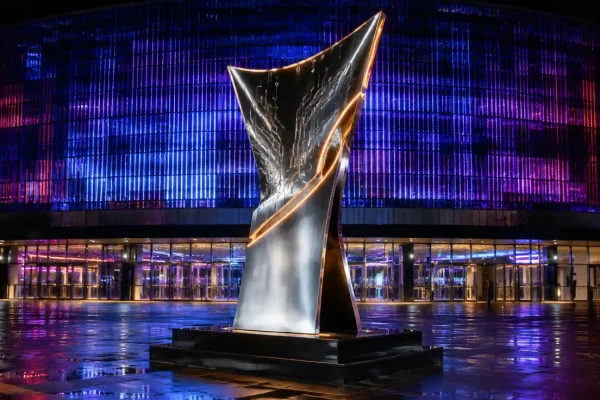
Brand Mascot & IP
Oct 13, 2026
Esports Arena & Gaming Venue Sculpture: Landmarks, Trophies & Mascot Statues
Commercial & Hospitality
Oct 13, 2026
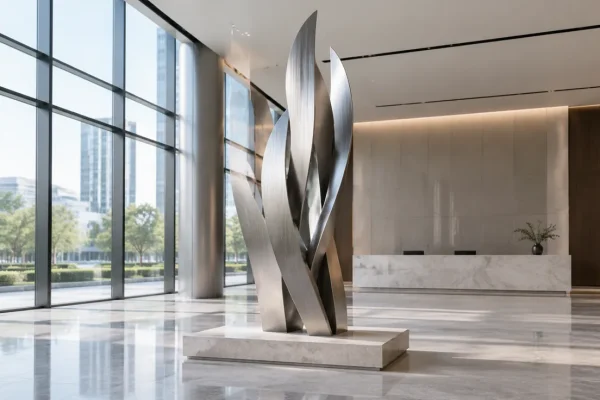
Corporate Lobby & Office Sculpture: Commissioning Guide for Developers
Custom Sculpture Insights & Guides
Oct 13, 2026
How Long Do Outdoor Sculptures Last? Material-by-Material Lifespan Guide
Our Sculpture Solutions
Explore our full range of custom sculpture services

IP Character Replication
Beyond 2D: Why IP Replication Drives Brand Engagement A character that lives only on a screen is easy to scroll...
Learn More →
Large Sculpture Custom
Engineering Monumental Scale A sculpture that stands 15 metres tall is not simply a 1.5-metre maquette scaled up ten times....
Learn More →
Original IP Development
From Concept to Icon Most sculpture enquiries begin with a reference: a licensed character, a film hero, an existing artwork...
Learn More →
Solutions Services
One Factory, Every Sculpture Material A sculpture brief rarely arrives pre-sorted by material. A client sends a reference image, a...
Learn More →
Custom Inflatables
Inflatable Sculptures as Brand Media Most sculptural commissions are permanent assets: they are built once, installed once, and admired for...
Learn More →
FRP & Fiberglass Sculpture Manufacturing
Custom FRP and fiberglass sculpture manufacturer - design, fabrication, and finishing.
Learn More →
Stainless Steel & Metal Sculpture Manufacturing
Custom stainless steel, bronze, corten, and aluminum sculpture manufacturer.
Learn More →
Theme Park Sculpture Services – Custom Amusement Park Statues
Custom Theme Park Sculptures – Bringing Imagination to Life Theme parks, amusement parks, zoos, and entertainment destinations thrive on immersive...
Learn More →
Commercial Sculpture Services – Custom Brand Mascots & Mall Art
Custom Commercial Sculptures – Elevate Your Brand & Space In today's competitive retail and commercial environment, first impressions matter. Commercial...
Learn More →