
Custom Sculpture Insights & Guides
Durable Outdoor Sculptures for Public Spaces: Engineering for Weather & Vandalism
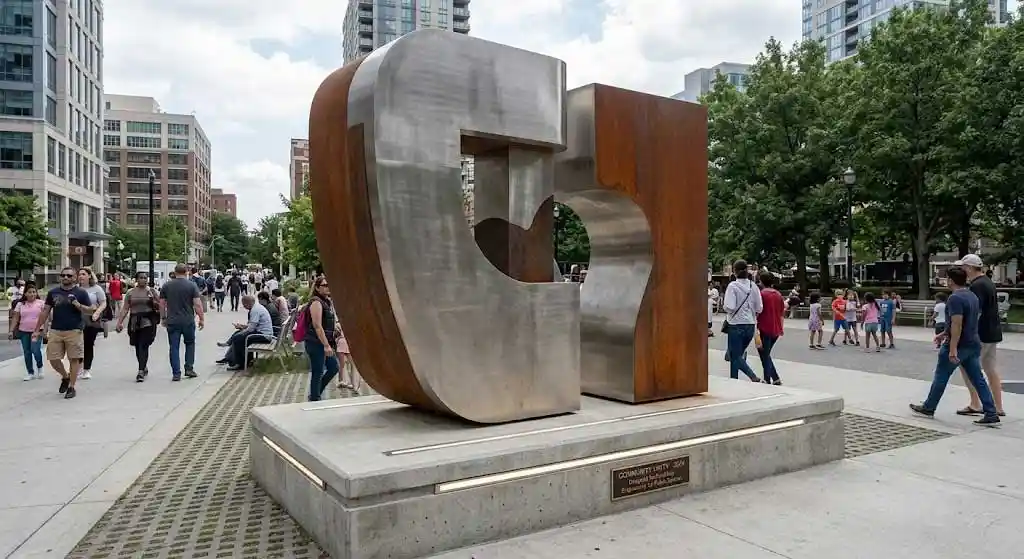
Public art is a defining feature of great cities, but installing a large-scale sculpture outdoors exposes it to relentless environmental stress. Rain, UV radiation, temperature swings, pollution, vandalism, and structural fatigue all conspire to degrade even the most beautiful works. Engineering durable outdoor sculptures is not an afterthought — it is the foundation of successful public art.
This guide covers the full lifecycle of outdoor sculpture durability: from material science and protective coatings to structural engineering and long-term maintenance. Whether you are a city planner, architect, or artist commissioning a piece, these principles ensure your sculpture remains a source of pride, not a maintenance liability.
The Four Enemies of Outdoor Sculptures
Understanding the threats to outdoor sculptures is the first step in engineering against them. Every public sculpture faces four primary enemies that compound over time.
1. Weather & UV Radiation. Sunlight breaks down polymers in fiberglass, fades pigments, and causes thermal expansion and contraction. Rain and humidity accelerate corrosion in metals and freeze-thaw cycles crack porous materials. In coastal or industrial environments, salt and airborne chemicals dramatically increase degradation rates.
2. Vandalism & Human Contact. Graffiti, scratches, deliberate impact, and even well-intentioned touching all take a toll. Sculptures in high-traffic areas face constant abrasion from pedestrians, bicycles, and maintenance equipment. Anti-graffiti coatings and impact-resistant surfaces are essential in urban settings.
3. Corrosion & Material Degradation.Without proper protection, steel rusts, bronze develops patina unevenly, and FRP can delaminate. Galvanic corrosion between dissimilar metals, pitting from chloride exposure, and stress corrosion cracking are silent dangers that compromise structural integrity.
4. Structural Fatigue. Wind-induced oscillation, vibration from nearby traffic, and repeated thermal cycling create micro-cracks that grow over time. Without proper engineering analysis — including wind tunnel testing and finite element modeling — these invisible stresses can lead to catastrophic failure.
Material Selection for Maximum Durability
Choosing the right material is the single most important durability decision. Below is a comparative analysis of the four most common outdoor sculpture materials across critical durability parameters.
| Material | UV Resistance | Impact Resistance | Corrosion Resistance | Typical Lifespan |
|---|---|---|---|---|
| FRP (Fiberglass) | High (with UV-stable gel coat) | High — excellent impact absorption | Excellent — inherently non-corrosive | 25–50 years |
| Bronze | Excellent — develops protective patina | Moderate — can dent or crack | Very good — patina self-heals | 100+ years |
| Stainless Steel | Excellent — unaffected by UV | High — very strong but can dent | Excellent (316L grade for coastal) | 50–100+ years |
| Stone/Granite | Excellent — color may fade slowly | Brittle — can chip on impact | Excellent — inert material | 100+ years |
FRP (fiber-reinforced polymer) stands out as the modern workhorse for outdoor sculptures because it combines excellent UV and impact resistance with zero corrosion concerns. At Y Sculptures, FRP is the material of choice for large-scale custom pieces where weight, durability, and cost all matter.
Protective Coatings & Surface Treatments
Even the best base material needs protection. Modern coating systems dramatically extend the life of outdoor sculptures by creating a barrier between the artwork and the environment.
Gel Coat Systems. For FRP sculptures, gel coat is the primary protective layer. Applied during the molding process, it provides UV resistance, color stability, and a smooth finish. High-quality marine-grade gel coats can maintain gloss and color for 10–15 years before requiring maintenance. Nano-ceramic gel coats offer even greater scratch and UV resistance.
Powder Coating. For metal sculptures, powder coating provides a thick, uniform protective layer that is far more durable than liquid paint. It resists chipping, corrosion, and UV degradation. Architectural-grade powder coatings come with 20-year warranties.
Anti-Graffiti Coatings. Sacrificial and permanent anti-graffiti coatings allow graffiti to be removed without damaging the underlying surface. Sacrificial coatings are removed along with the paint and must be re-applied; permanent coatings create a non-stick barrier. For urban installations, a two-coat system (sacrificial over permanent) is recommended.
Nano-Sealants. The latest generation of protective treatments uses nanoparticle technology to create super-hydrophobic surfaces. These sealants repel water, oil, and dirt, providing self-cleaning properties. Particularly valuable for sculptures in pollution-heavy urban environments, they can reduce cleaning frequency by 60–80%.
Structural Engineering for Urban Environments
Outdoor sculptures in public spaces must meet rigorous structural standards — often more demanding than the buildings around them because sculptures lack continuous support.
Wind Load Calculations. A sculpture’s shape, height, and location determine its wind loading. Engineers use computational fluid dynamics (CFD) and wind tunnel testing to calculate forces. For sculptures above 6 meters, compliance with local wind codes — typically based on 100-year storm events — is mandatory. Perforated or lattice designs naturally reduce wind load compared to solid forms. For more detail on the production and engineering stages, read How Custom Sculptures Are Made: From Concept to Installation in 10 Steps.
Seismic Considerations. In seismically active regions, sculptures must withstand ground acceleration without toppling. Base isolation systems and flexible mounting points allow the sculpture to move independently of its foundation. The structural engineer must ensure the center of gravity stays within safe bounds during oscillation. The full fabrication workflow, including quality checks at each stage, is detailed in Custom Sculpture Manufacturing: 7-Step Process Guide.
Thermal Expansion Joints. Metal and composite materials expand and contract with temperature changes. Without expansion joints, differential expansion causes warping, cracking, or stress at attachment points. Stainless steel and aluminum expand at different rates; any design combining them must account for this movement with sliding connections or flexible couplers.
Anti-Theft Anchoring. Valuable bronze and metal sculptures are targets for theft. Hidden internal anchoring systems — threaded rods embedded in concrete foundations, with tamper-resistant nuts — provide security without visible hardware. At Y Sculptures, all large outdoor installations include integrated anti-theft anchoring as standard.
Vandalism Deterrent Design Strategies
Rather than reacting to vandalism, smart design discourages it from the start. These strategies reduce both the likelihood and impact of vandalism.
Location Planning. Placing sculptures in visible, well-lit areas with natural surveillance (sightlines from nearby buildings) dramatically reduces vandalism risk. Avoid isolated corners, dense shrubbery, or dark alcoves. Lighting serves dual purposes: nighttime visibility and psychological deterrence.
Surface Texture. Rough or textured surfaces make graffiti application difficult and removal harder, paradoxically making them less attractive targets. Deeply textured surfaces also hide minor scratches and wear better than polished finishes. Some designers incorporate intentionally “imperfect” textures that age gracefully.
Modular Replaceable Parts. For high-risk components — hands, extremities, protruding elements — designing them as bolted-on modular pieces is a pragmatic approach. If damaged, they can be replaced without dismantling the entire sculpture. This is standard practice at Y Sculptures’ service division.
Sensor Integration. Smart sculptures can now incorporate vibration sensors, proximity alerts, and even AI-powered cameras. When unauthorized contact is detected, alerts are sent to security teams or integrated with urban IoT management systems. While adding cost, this technology pays for itself by preventing repeated damage.
Maintenance & Restoration Best Practices
No sculpture is truly “maintenance-free.” A proactive maintenance plan extends lifespan and reduces total cost of ownership.
Inspection Schedule. Conduct basic visual inspections quarterly and detailed structural inspections annually. Look for cracks, discoloration, loose fasteners, and signs of corrosion at attachment points. After severe weather events, a special inspection should be performed.
Cleaning Protocols. Use manufacturer-approved cleaning agents — never abrasive cleaners or pressure washers on coated surfaces. For bronze, distilled water and a soft cloth preserve the protective patina. For FRP, mild soap and water with a sponge is sufficient; wax annually to maintain UV protection.
Touch-Up Kits. Every sculpture installation should include a touch-up kit with matching paint, gel coat repair compound, and clear instructions. Promptly addressing small chips and scratches prevents moisture ingress that leads to larger failures.
Warranty & Service Agreements. Commissioning from a manufacturer that offers long-term service agreements is critical. Y Sculptures provides comprehensive warranty coverage and maintenance programs for all their outdoor installations, ensuring your investment is protected for decades.
Engineering durable outdoor sculptures is a multidisciplinary challenge requiring expertise in materials science, structural engineering, urban design, and maintenance planning. By addressing these factors at the design stage, you ensure your public art will inspire generations — not require constant repair.
D
Written by David Chen
David Chen is Design Director at Y Sculptures with 18+ years in large-scale sculpture design and fabrication. He specializes in FRP, stainless steel, and bronze sculpture engineering, overseeing design-to-production workflows for theme park attractions, public art installations, and brand IP mascots. David has personally directed over 300 custom sculpture projects for clients across 20+ countries.
Related Projects
Browse real projects matching this topic
Commercial
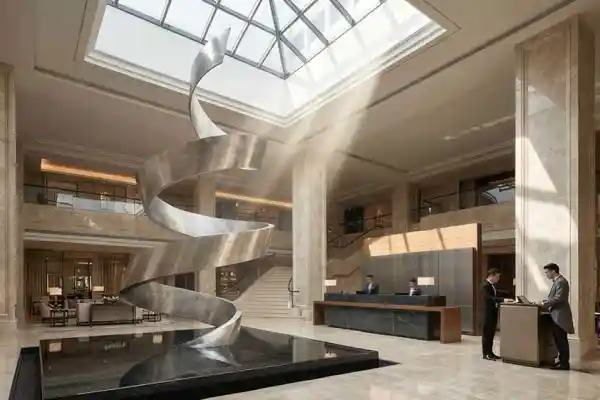
The Celestial Flow – Public Art Sculpture
Gardens & Resorts
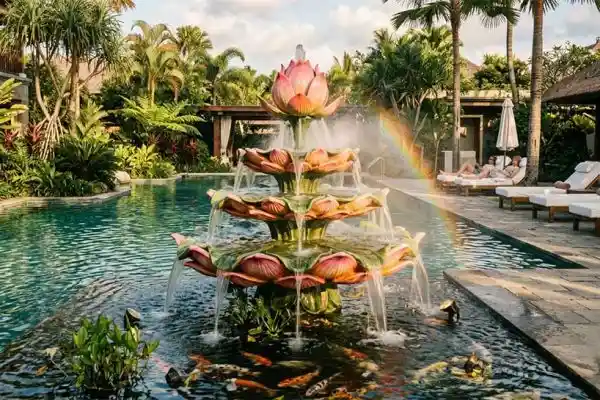
“Lotus Whisper” — FRP Lotus Fountain Water Sculpture
Related Insights
Continue reading related articles
Brand Mascot & IP
Oct 13, 2026
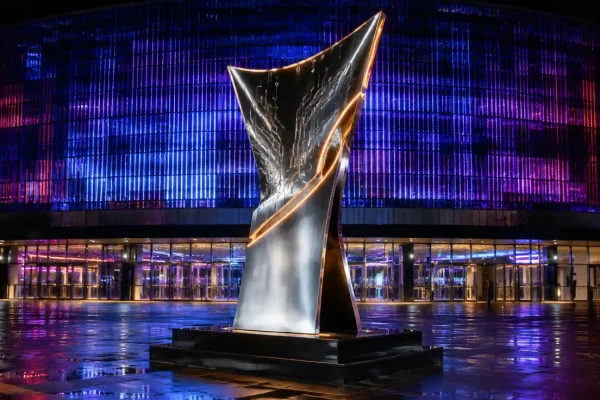
Esports Arena & Gaming Venue Sculpture: Landmarks, Trophies & Mascot Statues
Commercial & Hospitality
Oct 13, 2026
Corporate Lobby & Office Sculpture: Commissioning Guide for Developers
Custom Sculpture Insights & Guides
Oct 13, 2026
How Long Do Outdoor Sculptures Last? Material-by-Material Lifespan Guide
Our Sculpture Solutions
Explore our full range of custom sculpture services

IP Character Replication
Beyond 2D: Why IP Replication Drives Brand Engagement A character that lives only on a screen is easy to scroll...
Learn More →
Large Sculpture Custom
Engineering Monumental Scale A sculpture that stands 15 metres tall is not simply a 1.5-metre maquette scaled up ten times....
Learn More →
Original IP Development
From Concept to Icon Most sculpture enquiries begin with a reference: a licensed character, a film hero, an existing artwork...
Learn More →
Solutions Services
One Factory, Every Sculpture Material A sculpture brief rarely arrives pre-sorted by material. A client sends a reference image, a...
Learn More →
Custom Inflatables
Inflatable Sculptures as Brand Media Most sculptural commissions are permanent assets: they are built once, installed once, and admired for...
Learn More →
FRP & Fiberglass Sculpture Manufacturing
Custom FRP and fiberglass sculpture manufacturer - design, fabrication, and finishing.
Learn More →
Stainless Steel & Metal Sculpture Manufacturing
Custom stainless steel, bronze, corten, and aluminum sculpture manufacturer.
Learn More →
Theme Park Sculpture Services – Custom Amusement Park Statues
Custom Theme Park Sculptures – Bringing Imagination to Life Theme parks, amusement parks, zoos, and entertainment destinations thrive on immersive...
Learn More →
Commercial Sculpture Services – Custom Brand Mascots & Mall Art
Custom Commercial Sculptures – Elevate Your Brand & Space In today's competitive retail and commercial environment, first impressions matter. Commercial...
Learn More →