
Custom Sculpture Insights & Guides
LED & Illuminated Sculptures: Light-Integrated Art for Nighttime Landscapes
Why Light-Integrated Sculpture?
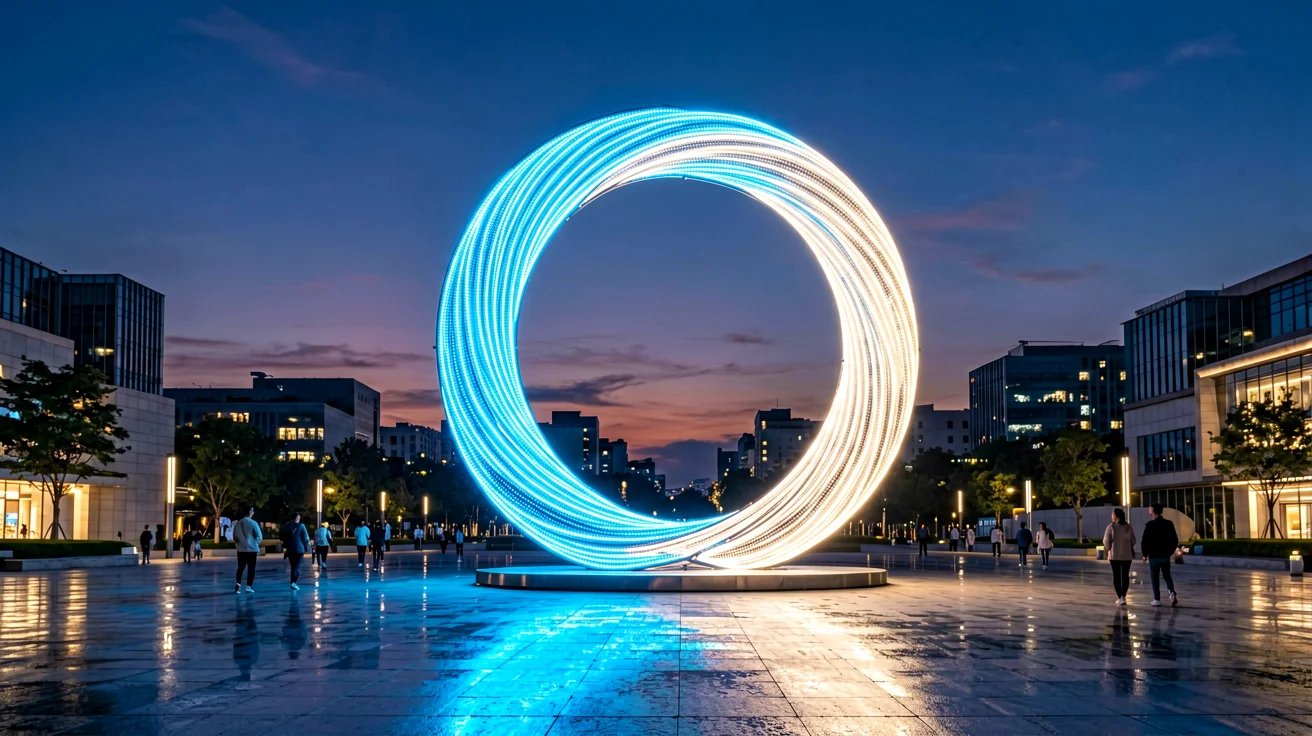
An LED sculpture transforms a static art piece into a dynamic focal point that commands attention after dark. Unlike traditional sculptures that disappear at dusk, light-integrated art creates a second life — glowing forms that become landmarks, gathering places, and Instagram-worthy moments long after sunset.
Whether you are planning a plaza entrance, hotel lobby, retail façade, or public park installation, LED sculpture bridges the gap between traditional sculptural form and modern architectural lighting. The result is a piece that performs equally well by day and night, offering double the visual impact for the same footprint.
Modern LED technology has made this possible without the maintenance headaches of the past. Contemporary outdoor LED sculptures use IP68-rated fixtures, professional-grade drivers, and programmable controllers that deliver consistent, energy-efficient illumination for decades.
Materials for Illuminated Sculpture
The material you choose determines how light interacts with your sculpture — whether it passes through, reflects off, or creates dramatic shadows. Each option offers distinct aesthetic and practical advantages.
Stainless Steel with Integrated LED Strips
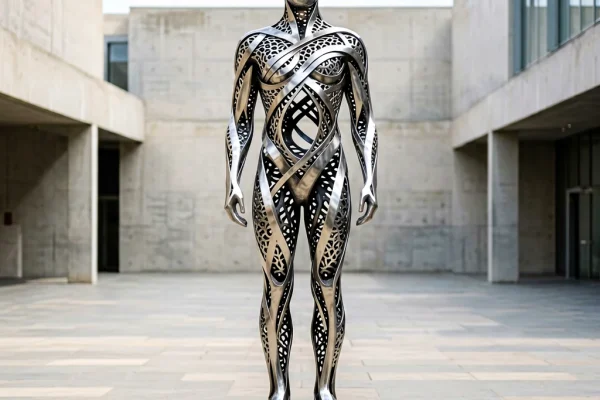
Perforated or laser-cut stainless steel panels create stunning shadow-play when backlit. The metal provides structural rigidity while the LED strips (typically mounted along internal channels) cast patterned light through the cutouts. This approach works beautifully for corporate plazas, hotel entrances, and commercial façades where a sleek, architectural aesthetic is desired.
Stainless steel also provides excellent protection for internal wiring and components when properly sealed. The material’s natural corrosion resistance means the sculpture maintains its appearance for 20+ years with minimal maintenance.
Acrylic and Plexiglass Edge-Lit Panels
Edge-lit acrylic creates an ethereal, uniform glow that appears to emit light from the material itself. LED points mounted along the panel edges feed light into the acrylic, which diffuses it across the entire surface. This technique produces seamless color fields — perfect for abstract forms, lettering, and geometric compositions.
Light-diffusing polymer sheets (typically 20-50mm thick) are available in clear, translucent, or tinted varieties. For outdoor installations, UV-stabilized acrylic prevents yellowing and maintains optical clarity for 10-15 years.
Fiberglass (FRP) with Translucent Finishes
FRP sculptures can incorporate translucent resin layers or polycarbonate inserts that diffuse LED light softly. This approach is ideal for organic, figurative forms where you want the sculpture to appear to glow from within rather than displaying visible light sources.
FRP also allows for complex double-curved geometries that would be difficult or expensive to achieve in metal or acrylic — making it the go-to choice for large-scale sculptural forms exceeding 3 meters in height.
Lighting Technology Options
Understanding the technology behind illuminated sculpture helps you make informed decisions about customization, control, and long-term performance.
LED Strip Lighting
Flexible LED strips (SMD 2835 or 5050 packages) are the workhorse of sculpture illumination. They offer high luminous efficacy (100-130 lumens per watt), long lifespan (30,000-50,000 hours), and flexibility to follow complex curves. Modern strips come with adhesive backing and silicone coating for easy installation and moisture protection.
Neon-LED Flex
LED neon flex mimics the appearance of traditional glass neon while delivering LED efficiency and durability. These flexible tubes produce a continuous linear glow — ideal for lettering, outlines, and graphic elements. Available in warm white (2700K), cool white (4000K), and full RGB color ranges.
Fiber-Optic Point Illumination
For sculptures requiring discrete light points (stars, eyes, decorative accents), fiber-optic illumination delivers crisp, pinpoint illumination without generating heat at the emission point. A central UV LED source feeds light through flexible fiber bundles to individual tips embedded in the sculpture surface.
Edge-Lit Acrylic Systems
As described above, edge-lit acrylic relies on strategically placed LED sources along panel edges. The light travels through the acrylic via total internal reflection and exits through diffuser patterns or etched designs. This creates the illusion of uniform glow across the entire surface.
Color-Changing and DMX Control
RGB LED systems with DMX or DALI controllers enable programmable color sequences, fading effects, and dynamic lighting patterns. Commercial installations often integrate these with building management systems for scheduling, mood setting, or event-based color changes.
Outdoor Reliability and Weather Protection
Outdoor LED sculptures face the same environmental challenges as any exterior installation: rain, UV exposure, temperature extremes, and vibration. Proper specification ensures decades of reliable performance.
IP Ratings: What Matters
Outdoor LED fixtures should carry at least IP65 ratings (protected against water jets), with premium installations specifying IP68 (submersible). This protects internal wiring, connectors, and drivers from moisture ingress during heavy rain or cleaning.
All electrical connections should use waterproof connectors (IP68-rated bullet connectors or plug-and-play waterproof junctions), and LED strips should be mounted in aluminum channels with silicone covers for additional protection.
Wiring and Power Distribution
Large illuminated sculptures require careful planning of power distribution. LED strips draw current along their length — voltage drop becomes significant beyond 5-meter runs. Solutions include:
- Breaking long runs into parallel feeds from a central driver
- Using higher voltage LED strips (24V or 48V DC) to reduce current
- Installing junction boxes at strategic points within the sculpture structure
- Planning accessible service panels for future maintenance
Thermal Management
While LEDs run cooler than traditional lighting, enclosed sculpture cavities can trap heat. Aluminum LED channels with heat-sinking fins dissipate thermal energy effectively. For fully enclosed designs, passive ventilation channels or low-profile fans prevent temperature buildup that accelerates LED lumen depreciation.
Night and Day Duality: Designing for Both
The most successful LED sculptures function as compelling art pieces during daylight hours while transforming into luminous landmarks at night. This duality requires intentional design decisions.
Form first: The sculpture’s daytime appearance should stand on its own merits — compelling form, texture, and material quality that engage viewers even when the lighting is off. The light should enhance, not compensate for, the sculptural design.
Concealed sources: High-end installations hide LED strips, drivers, and wiring within the sculpture’s structure. Viewers should see the light effect without spotting the light sources themselves — creating an almost magical quality where the form appears to generate its own illumination.
Control integration: Smart lighting controllers allow scheduling (brighter at dusk, dimmer late night), seasonal programs, and even daylight harvesting that automatically adjusts brightness based on ambient light levels.
Cost and Maintenance Considerations
Understanding the total cost of ownership helps budget realistic expectations for illuminated sculpture projects.
Upfront costs typically run 30-50% higher than non-illuminated equivalents due to LED components, drivers, controls, and additional engineering for wiring channels and access panels. A 2-meter commercial plaza sculpture might range from $15,000-$25,000 depending on complexity and control features.
Operating costs are remarkably low. A typical 500-watt LED system running 10 hours nightly consumes approximately 5 kWh daily — roughly $1-2 per day at commercial electricity rates. LED lifespan of 30,000-50,000 hours translates to 3-5+ years of nightly operation before any component replacement.
Maintenance is minimal but should be planned. Annual inspection of seals, connectors, and driver performance prevents unexpected failures. Individual LED strips can be replaced without disturbing the sculpture’s exterior finish, and modern modular driver systems allow hot-swapping without specialized tools.
Commissioning an LED Sculpture with Y Sculptures
At Y Sculptures, we approach each illuminated sculpture project as a complete system — integrating artistic vision, structural engineering, and electrical design from concept through installation.
Our process begins with understanding your vision: the sculpture’s purpose, location, scale, and desired nighttime presence. We then select the optimal structural material — whether stainless steel with perforated panels, FRP with translucent inserts, or acrylic edge-lit elements — and design the lighting system to complement the form.
Every project includes detailed electrical drawings, component specifications, and a maintenance plan. We source professional-grade IP68-rated LEDs and drivers, design accessible wiring channels, and provide commissioning support to ensure the installation performs flawlessly from day one.
Explore our illuminated sculpture projects to see how light-integrated art has transformed commercial plazas, hotel entrances, and public spaces around the world. Whether you need a single statement piece or a coordinated series, we bring the technical expertise and artistic sensibility to make your vision glow.
For more on material selection, see our stainless steel sculpture guide.
y
Related Projects
Browse real projects matching this topic

Related Insights
Continue reading related articles
Brand Mascot & IP
Oct 13, 2026
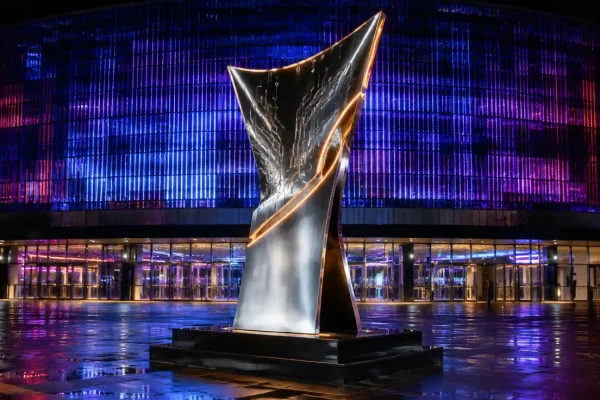
Esports Arena & Gaming Venue Sculpture: Landmarks, Trophies & Mascot Statues
Commercial & Hospitality
Oct 13, 2026
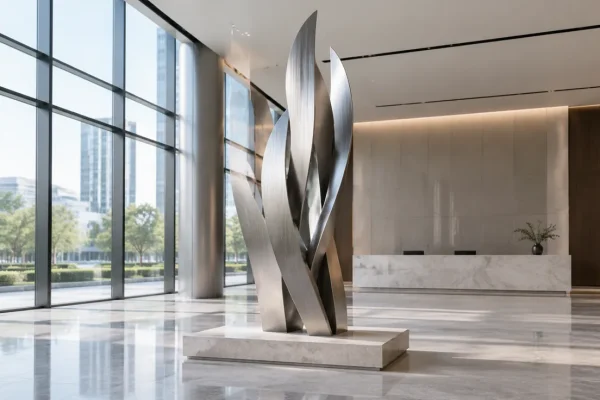
Corporate Lobby & Office Sculpture: Commissioning Guide for Developers

Custom Sculpture Insights & Guides
Oct 13, 2026
How Long Do Outdoor Sculptures Last? Material-by-Material Lifespan Guide
Our Sculpture Solutions
Explore our full range of custom sculpture services

IP Character Replication
Beyond 2D: Why IP Replication Drives Brand Engagement A character that lives only on a screen is easy to scroll...
Learn More →
Large Sculpture Custom
Engineering Monumental Scale A sculpture that stands 15 metres tall is not simply a 1.5-metre maquette scaled up ten times....
Learn More →
Original IP Development
From Concept to Icon Most sculpture enquiries begin with a reference: a licensed character, a film hero, an existing artwork...
Learn More →
Solutions Services
One Factory, Every Sculpture Material A sculpture brief rarely arrives pre-sorted by material. A client sends a reference image, a...
Learn More →
Custom Inflatables
Inflatable Sculptures as Brand Media Most sculptural commissions are permanent assets: they are built once, installed once, and admired for...
Learn More →
FRP & Fiberglass Sculpture Manufacturing
Custom FRP and fiberglass sculpture manufacturer - design, fabrication, and finishing.
Learn More →
Stainless Steel & Metal Sculpture Manufacturing
Custom stainless steel, bronze, corten, and aluminum sculpture manufacturer.
Learn More →
Theme Park Sculpture Services – Custom Amusement Park Statues
Custom Theme Park Sculptures – Bringing Imagination to Life Theme parks, amusement parks, zoos, and entertainment destinations thrive on immersive...
Learn More →
Commercial Sculpture Services – Custom Brand Mascots & Mall Art
Custom Commercial Sculptures – Elevate Your Brand & Space In today's competitive retail and commercial environment, first impressions matter. Commercial...
Learn More →