Installation of the “Klein Blue Vitality” Mascot IP Sculpture
IP Sculpture
Project Overview
-
Project Timeline: 8 Weeks (from concept approval to final installation)
-
Budget: $25,000 USD (Inclusive of material sourcing, fabrication, and shipping)
-
Sculpture Dimensions: 78.7 inches (Height) × 47.2 inches (Width) × 39.4 inches (Depth)
Project Background
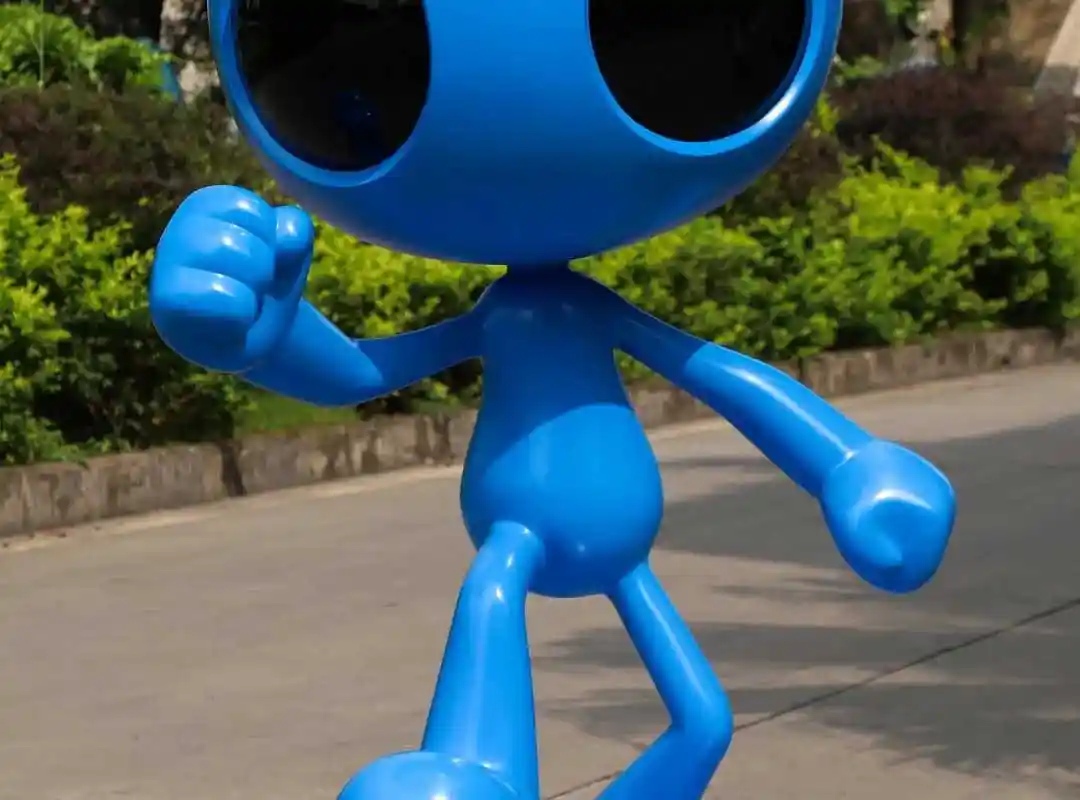
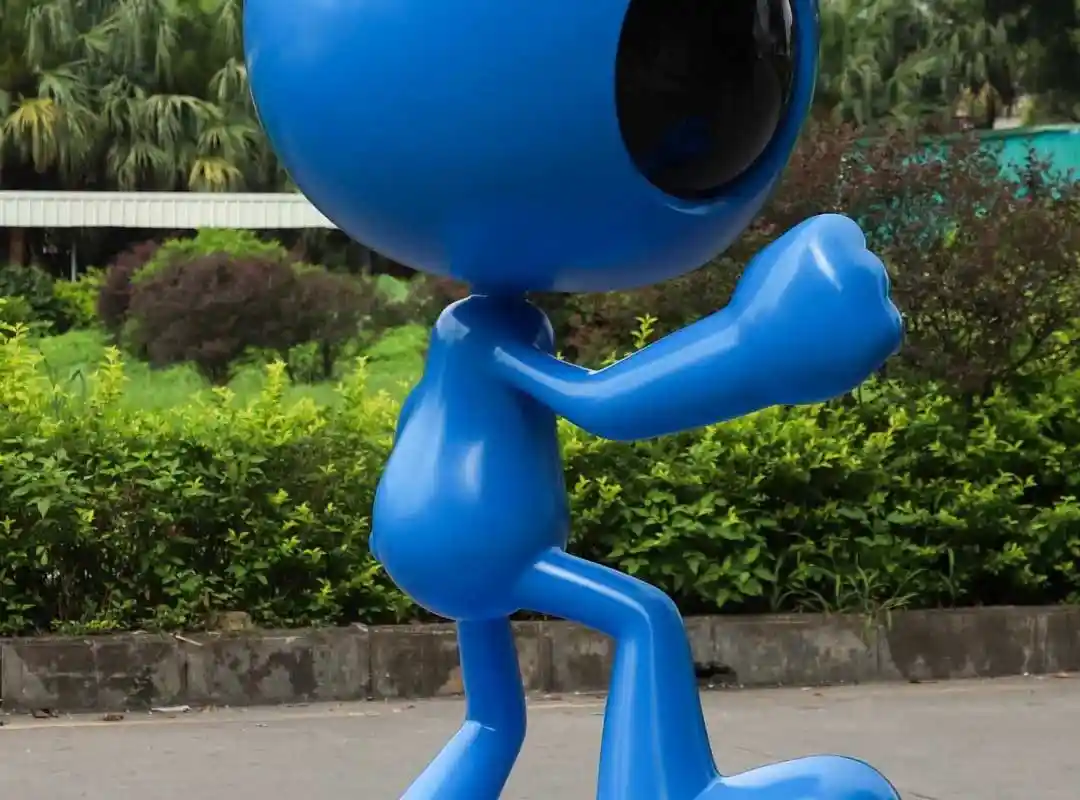
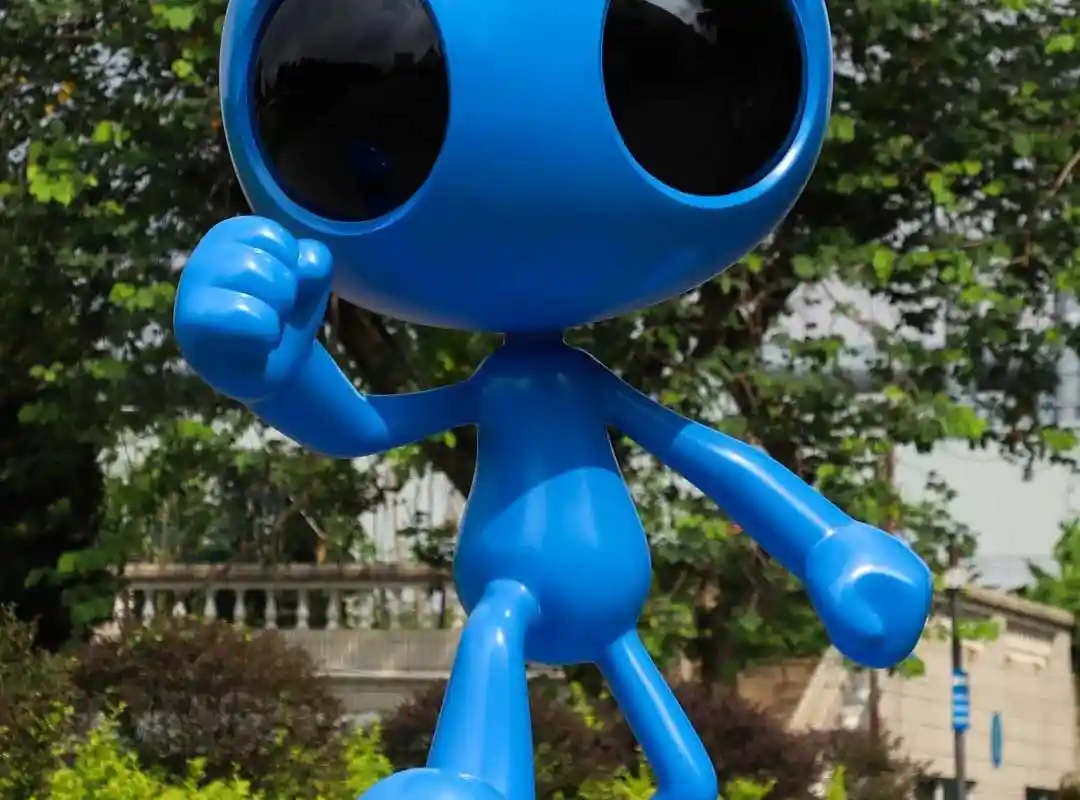
The “Klein Blue Vitality” IP Sculpture project aims to create a landmark visual anchor that merges contemporary pop culture with high-fashion artistic sensibilities. By utilizing the deep, ultra-marine hue of iconic International Klein Blue (IKB), the sculpture is designed to evoke a sense of boundless energy, modern sophistication, and spiritual resonance.
This trendy IP character represents vibrancy, curiosity, and youth culture. Serving as a bridge between public space and digital engagement, the physical sculpture will act as an instant “Instagrammable” hotspot. It is engineered to elevate brand identity, attract foot traffic, and inject a bold, artistic pulse into the designated venue.
Material & Finish Specifications
-
Core Material: High-density fiberglass reinforced plastics (FRP) for a sleek, durable structure.
-
Surface Finish: Custom matte-satin International Klein Blue automotive-grade lacquer with UV-resistant coating to ensure long-lasting color saturation against fading.
Armature and Shell Construction
At just under two metres and with the figure standing freely in a public plaza, the structural question is overturning rather than crush. The internal frame is built as a single welded unit that runs from the base plate through both legs and into the torso, so a push anywhere on the body is carried straight down into the anchors. The shell is laid up over that frame rather than around a separate plug, which eliminates the gap where a shell and a frame can separate over time.
The laminate thickness is graded rather than uniform: heavier at the ankles and the base of the torso where loads concentrate, lighter through the head and the outstretched arms where weight is only a liability. That grading is what makes a two-metre figure manageable on site without making it fragile at the contact points.
Achieving the Klein Blue Finish
Klein blue is a difficult colour to reproduce because it depends on a saturated pigment with very little lightening, and the usual failure is a finish that reads purple in shade and washed out in sun. It is mixed as a two-component automotive system and sprayed in a controlled booth, with the colour approved on a full-size panel rather than a small swatch — blue at this saturation changes appearance markedly with surface area.
The gloss level is deliberately mid-range. A full gloss on a saturated blue in sunlight produces blown highlights that erase the form, while a flat matt finish makes the pigment look chalky. The middle ground keeps the depth of the colour while still showing the modelling of the surface.
Base Detailing and Public Fixing
The base is kept visually minimal but structurally generous: a low plinth wide enough to resist tipping, bolted through into the substrate with a gasketed cover over the fixings. Where the plaza is paved over a service layer, the plate is set so that the cover sits flush with the paving and water drains away from, not into, the anchor holes.
Because the piece is intended to be photographed, the base also determines the best viewing distance. A figure at this height reads as a companion when seen from two to three metres and as a landmark from eight; the plaza position should be chosen for the second reading, with the first available to whoever walks up to it.
Cleaning and Colour Retention
Saturated blue is the colour most likely to show any surface change, so the maintenance routine is built around keeping the surface clean rather than repairing it later. Fresh-water rinsing on a quarterly basis removes the airborne film that gradually greys the colour, and the clear coat does the rest of the work.
Annual inspection should look at the shoulder and the top of the head, which take the most direct sun, and at the base cover, which is where any moisture ingress will first show. Touch-up paint is supplied in the original batch so that any localised repair is invisible rather than a slightly-off patch in the middle of a large, uniform surface.
Project Gallery