
Custom Sculpture Insights & Guides
China Sculpture Manufacturer: How to Choose a Reliable Custom Factory
Why Buy Custom Sculptures from a China Manufacturer
Choosing the right sculpture manufacturer is one of the most critical decisions for architects, developers, and public art commissioners. China has emerged as a leading destination for custom sculpture production, offering a compelling combination of competitive pricing, extensive material expertise, and full-service capabilities from initial design through final installation.
Cost advantages alone don’t tell the full story. A reliable China sculpture manufacturer provides end-to-end service: conceptual design, 3D modeling, mold-making, casting or fabrication, surface finishing, and export-quality packing. This integrated approach eliminates the coordination headaches that come from working with multiple vendors across different specialties.
The material range available is equally impressive. From fiberglass (FRP) and stainless steel to bronze using traditional lost-wax casting techniques, Chinese manufacturers have mastered both contemporary and classical sculptural processes. Many facilities have decades of experience producing works for international clients, ensuring familiarity with Western design standards and quality expectations.
Export experience matters enormously when commissioning large or complex pieces. Established manufacturers understand the documentation, crating, and logistics required to ship sculptures safely across continents. They work with freight forwarders regularly and can guide clients through customs requirements and import regulations.
What a Good China Sculpture Manufacturer Offers
Materials (FRP, bronze lost-wax, stainless/corten)
The material selection defines both the aesthetic outcome and long-term durability of your sculpture. FRP (fiberglass-reinforced plastic) remains the most popular choice for outdoor installations due to its lightweight nature, weather resistance, and ability to capture intricate surface detail. Modern UV-stabilized resins and gel coats ensure colors remain vibrant for years even in harsh sunlight.
Bronze casting through the lost-wax process produces museum-quality results with exceptional longevity. While more expensive than FRP, bronze sculptures can last centuries and develop attractive patinas over time. Chinese foundries employing traditional techniques have gained recognition for their mastery of this demanding craft.
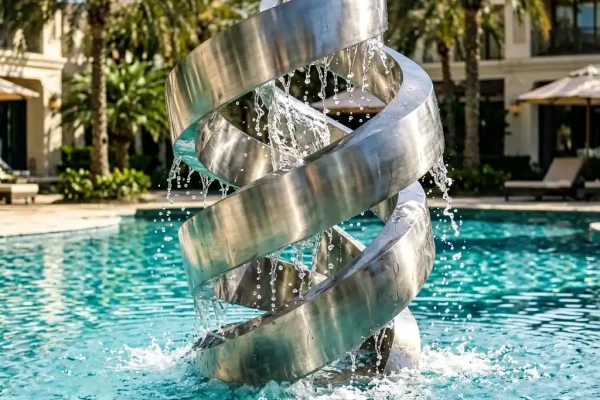
Stainless steel, including weathering steel (Corten), offers contemporary aesthetics with minimal maintenance requirements. Mirror-polished finishes create striking reflections, while brushed or patinated surfaces provide subtler elegance. CNC fabrication and welding capabilities determine the geometric complexity achievable in metal sculptures.
In-house molding, casting & CNC
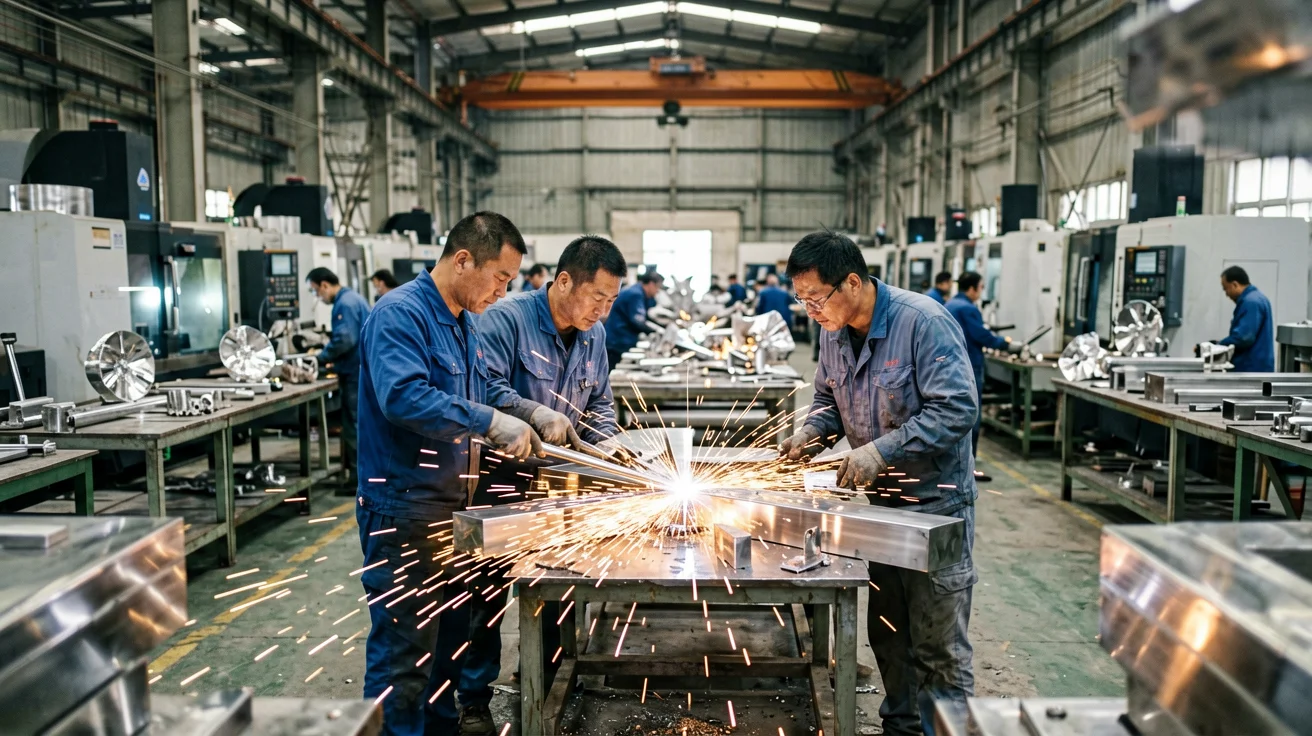
Vertical integration distinguishes serious manufacturers from trading companies. When molding, casting, and fabrication all occur under one roof, quality control improves dramatically and communication between teams becomes seamless. Clients benefit from faster turnaround times and the ability to address issues immediately rather than coordinating across multiple workshops.
In-house CNC machining enables precise metal fabrication and complex geometric forms. Combined with skilled hand finishing, this technology bridges digital precision with artisanal craftsmanship—a combination increasingly valued in contemporary public art.
Engineering & installation support
Large sculptures require structural engineering to withstand wind loads, seismic activity, and long-term environmental exposure. Reputable manufacturers employ structural engineers who calculate foundation requirements, internal armature specifications, and wind resistance ratings for each project.
Installation guidance—or direct supervision—ensures proper assembly on-site. This service becomes essential for multi-component works, pieces requiring crane lifting, or installations in challenging locations. Clear assembly documentation with photographic references prevents costly mistakes during erection.
Quality control & packing for export
Quality control processes should include photographic documentation at every major stage: initial design approval, mold completion, casting or fabrication, surface treatment, and final pre-shipment inspection. Clients should receive detailed photo reports before approving final payment.
Export-quality packing requires custom timber crating, moisture barriers, and protection against transit damage. Heavy pieces need steel frame supports; delicate surfaces require foam wrapping and rigid outer shells. Proper crating minimizes insurance claims and ensures sculptures arrive in perfect condition.
How to Vet a Factory
Ask for past projects & references
Request a portfolio of completed projects similar in scale and complexity to your commission. Examine photos for finish quality, attention to detail, and structural integrity. Don’t hesitate to contact previous international clients directly—genuine references provide invaluable insights into the manufacturer’s reliability and professionalism.
Visiting the facility, either in person or through live video tour, reveals the scope of operations and working conditions. A well-organized factory with proper safety measures and quality control stations inspires confidence.
Request material samples & finish photos
Before committing to a large order, ask for material samples showing actual resin colors, metal finishes, and bronze patinas. These samples help verify that the manufacturer’s capabilities match your specifications and quality expectations.
Check export docs & crating
Ask about the manufacturer’s export documentation experience, including commercial invoices, packing lists, certificates of origin, and any required phytosanitary or fumigation certificates. Reliable manufacturers handle these details as part of their standard service.
Start with a small prototype
For first-time collaborations, consider commissioning a smaller piece or detailed 1:5 scale prototype. This approach allows you to evaluate the manufacturer’s communication, responsiveness, and quality standards before investing in a full-size production piece.
Typical Lead Times & MOQ
Lead times vary significantly depending on complexity, size, and material. Simple FRP pieces may take 4-6 weeks from design approval to shipment. More elaborate bronze casts or large stainless steel installations can require 8-16 weeks or longer.
Prototype development typically adds 2-3 weeks. Multiple revision rounds during the design phase are normal and should be factored into scheduling.
Minimum order quantities (MOQ) differ by manufacturer. Many Chinese sculpture factories welcome single-piece custom commissions, particularly for architectural or public art projects. Some may prefer higher quantities for standard or repeat designs. Clarify MOQ requirements early in discussions.
Common Pitfalls to Avoid
Vague or incomplete specifications lead to misunderstandings and disappointing results. Provide detailed written requirements including dimensions, materials, finish specifications, structural requirements, and installation conditions. Include reference images and mood boards to communicate aesthetic expectations clearly.
Mold ownership should be explicitly addressed in contracts. You should retain rights to modify or reproduce the sculpture in the future. Some manufacturers claim mold ownership, which can limit your flexibility and create dependency.
Weak packaging causes transit damage. Insist on export-standard timber crating with adequate internal support and weather protection. Request photos of the crating process before shipment.
Communication gaps arise from time zone differences and language barriers. Establish clear communication protocols, regular update schedules, and designated contacts on both sides. Use visual communication—photos, diagrams, and video calls—to overcome language limitations.
Why Y Sculptures
With over 15 years of experience in custom sculpture manufacturing, Y Sculptures has served clients across six continents. Our facility in China combines traditional craftsmanship with modern technology, producing works in FRP, bronze, and stainless steel to the highest international standards.
We offer full-service solutions from conceptual design through on-site installation support. Every project includes detailed engineering calculations, comprehensive photographic documentation, and export-quality custom crating. Our team communicates fluently in English and maintains regular video conference updates throughout production.
For a closer look at our operations, explore inside our China sculpture factory to see how we bring sculptural visions to life.
FAQ
Is it safe to order sculptures from China?
Yes, when working with established manufacturers who have proven export experience. Verify the company’s track record through references, portfolio review, and facility visits. Use secure payment terms with milestones tied to production progress. Many international clients successfully commission large sculptures from Chinese manufacturers every year.
How long does a China sculpture factory take?
Typical production runs 4-16 weeks depending on complexity and material. Simple FRP pieces: 4-6 weeks. Bronze casts: 8-12 weeks. Large or complex installations: 12-16+ weeks. Prototypes and design refinement add 2-3 weeks. Express scheduling may be available for urgent projects at additional cost.
What materials can a China sculpture manufacturer produce?
Major manufacturers produce works in fiberglass (FRP), cast bronze using lost-wax techniques, stainless steel, corten steel, resin, and sometimes stone composite materials. The best facilities offer expertise across multiple materials, allowing clients to choose based on aesthetic, budget, and durability requirements.
How do I ship a large sculpture from China?
Reputable manufacturers arrange shipping and export documentation as part of their service. You’ll need to specify your destination port or address. Common shipping methods include sea freight in containers or flat-pack crates for oversized pieces. Air freight is available for smaller works but is significantly more expensive. Insurance is strongly recommended.
How much does a custom sculpture from China cost?
Costs vary enormously based on size, material, complexity, and finish requirements. A small 1-meter FRP piece might range from $3,000-$8,000. Medium bronze sculptures (1.5-2 meters) typically cost $10,000-$35,000. Large-scale public art installations can exceed $50,000. For a detailed understanding of budget factors, review our custom sculpture pricing guide.
Understanding the full production workflow helps set realistic expectations. Learn more about the custom sculpture manufacturing process from initial sketch to final installation.
Selecting the right material affects both aesthetics and budget. Our material cost comparison examines FRP, stainless steel, and bronze across durability, maintenance, and price dimensions.
y
Related Projects
Browse real projects matching this topic
Related Insights
Continue reading related articles
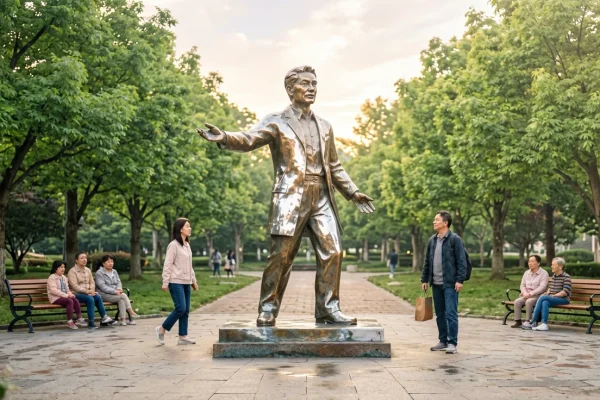
Custom Sculpture Insights & Guides
Aug 24, 2026
Stainless Steel Sculpture: Types, Finishes & Outdoor Applications
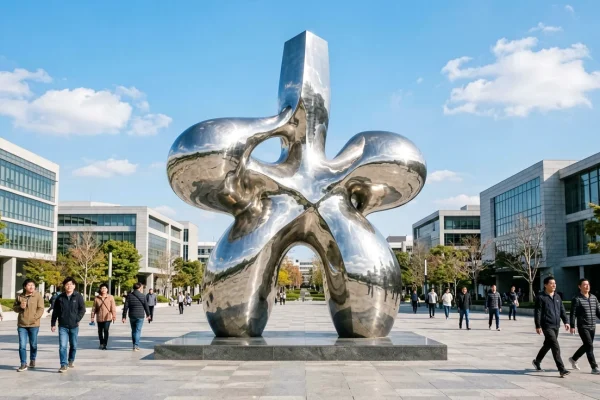
Custom Sculpture Insights & Guides
Aug 24, 2026
Public Art Sculpture: Types, Commissioning & Placement Guide
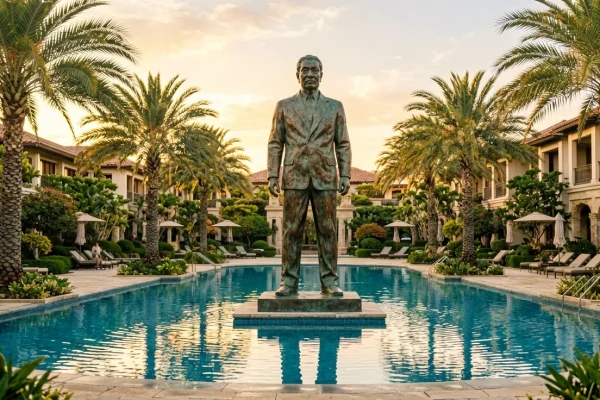
Commercial & Hospitality
Aug 20, 2026
Resort & Hotel Sculpture: Creating a Signature Landscape Focal Point
Our Sculpture Solutions
Explore our full range of custom sculpture services

IP Character Replication
Learn More →

Large Sculpture Custom
Learn More →

Original IP Development
Learn More →

Solutions Services
Learn More →

Custom Inflatables
Learn More →

FRP & Fiberglass Sculpture Manufacturing
Custom FRP and fiberglass sculpture manufacturer - design, fabrication, and finishing.
Learn More →
Stainless Steel & Metal Sculpture Manufacturing
Custom stainless steel, bronze, corten, and aluminum sculpture manufacturer.
Learn More →
Theme Park Sculpture Services – Custom Amusement Park Statues
Custom Theme Park Sculptures – Bringing Imagination to Life Theme parks, amusement parks, zoos, and entertainment destinations thrive on immersive...
Learn More →
Commercial Sculpture Services – Custom Brand Mascots & Mall Art
Custom Commercial Sculptures – Elevate Your Brand & Space In today's competitive retail and commercial environment, first impressions matter. Commercial...
Learn More →