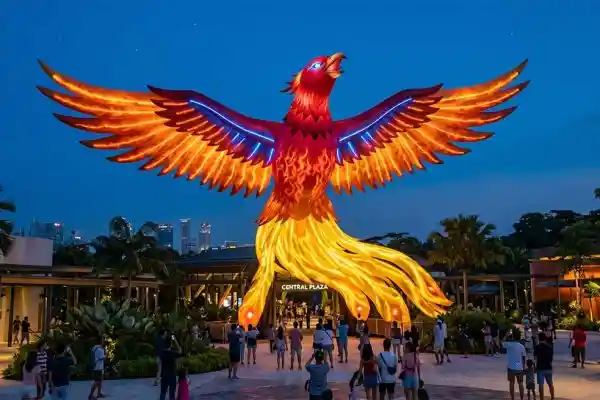
Inflatable Sculpture

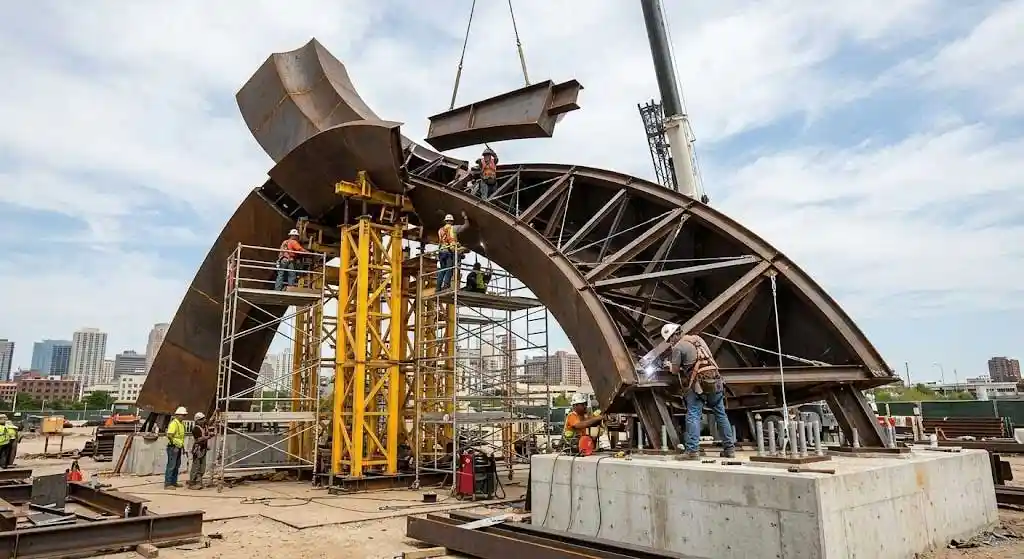
Monumental sculptures are among the most demanding engineering projects in the public art world. A 15-meter sculpture faces wind loads, seismic forces, thermal expansion, and fatigue stresses that small-scale works never encounter. This guide examines the structural engineering challenges behind large public art commissions and the solutions that ensure safe, durable installations.
Wind is the primary structural concern for outdoor sculptures exceeding 10 meters. As height increases, wind pressure grows exponentially. The “Celestial Gateway” Theme Park Sculpture at Nebula World Resort was engineered to withstand category 12 typhoon-level winds using an internal Q345B carbon steel sub-frame with heavy-duty anti-corrosion coating.
Key wind engineering factors include:
A large bronze or stainless steel sculpture can weigh 5-50+ tons. The foundation must be custom-engineered for soil conditions, frost depth, and seismic zone. The “Synthesis of Growth” Waterfront Sculpture required deep piling foundations to anchor the 20-meter coastal installation, accounting for tidal erosion and storm surge.
Outdoor sculptures experience temperature swings of 50°C or more. Stainless steel expands approximately 1.7mm per 10 meters per 100°C. The “The Celestial Flow” Public Art Sculpture in a shopping center atrium required slip joints and expansion gaps in its structural design to accommodate day-night thermal cycling without warping or cracking.
| Material | Max Practical Height | Weight (3m scale) | Wind Resistance | Seismic Performance |
|---|---|---|---|---|
| FRP (Fiberglass) | 15m (with steel core) | 150-300 kg | Good (lightweight) | Excellent (flexible) |
| Stainless Steel 316 | 30m | 800-1,500 kg | Excellent (strong) | Good (ductile) |
| Bronze (Lost Wax) | 8m (segmented) | 2,500-4,000 kg | Moderate (heavy) | Moderate |
| Carbon Steel Frame | 50m+ (with cladding) | Varies | Excellent | Requires engineering |
Before beginning any large sculpture project, review our complete public art installation process guide for a step-by-step walkthrough from commission to unveiling. For material selection guidance at scale, see our FRP vs stainless steel vs bronze material guide.
Partnering with an experienced large sculpture custom fabricator ensures all structural engineering is handled by professionals who understand both artistic vision and safety compliance. The full fabrication workflow, including quality checks at each stage, is detailed in How Custom Sculptures Are Made: From Concept to Installation in 10 Steps.
Large-scale sculpture engineering is a specialized discipline that combines artistic vision with rigorous structural analysis. The most successful monumental works achieve a seamless balance form that reads as effortless and graceful while concealing the sophisticated engineering that ensures decades of safe public enjoyment. We walk through the complete fabrication process in our manufacturing guide: Custom Sculpture Manufacturing: 7-Step Process Guide.
David Chen is Design Director at Y Sculptures with 18+ years in large-scale sculpture design and fabrication. He specializes in FRP, stainless steel, and bronze sculpture engineering, overseeing design-to-production workflows for theme park attractions, public art installations, and brand IP mascots. David has personally directed over 300 custom sculpture projects for clients across 20+ countries.
Browse real projects matching this topic

Continue reading related articles
Explore our full range of custom sculpture services

Beyond 2D: Why IP Replication Drives Brand Engagement A character that lives only on a screen is easy to scroll...
Learn More →
Engineering Monumental Scale A sculpture that stands 15 metres tall is not simply a 1.5-metre maquette scaled up ten times....
Learn More →
From Concept to Icon Most sculpture enquiries begin with a reference: a licensed character, a film hero, an existing artwork...
Learn More →
One Factory, Every Sculpture Material A sculpture brief rarely arrives pre-sorted by material. A client sends a reference image, a...
Learn More →
Inflatable Sculptures as Brand Media Most sculptural commissions are permanent assets: they are built once, installed once, and admired for...
Learn More →
Custom FRP and fiberglass sculpture manufacturer - design, fabrication, and finishing.
Learn More →
Custom stainless steel, bronze, corten, and aluminum sculpture manufacturer.
Learn More →
Custom Theme Park Sculptures – Bringing Imagination to Life Theme parks, amusement parks, zoos, and entertainment destinations thrive on immersive...
Learn More →
Custom Commercial Sculptures – Elevate Your Brand & Space In today's competitive retail and commercial environment, first impressions matter. Commercial...
Learn More →