Inflatable Sculpture

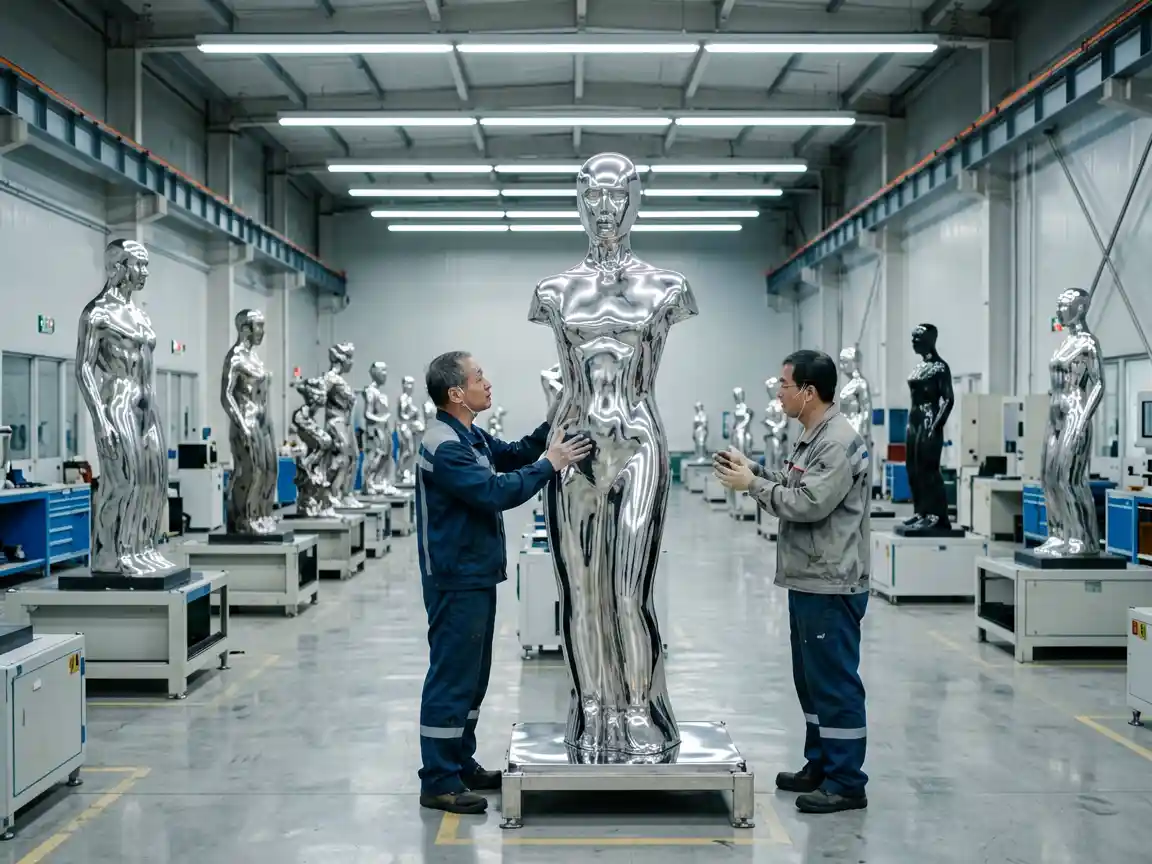
Commissioning a custom sculpture is a significant investment — financially, creatively, and emotionally. The manufacturer you choose will determine not only the quality of the finished piece but also how smoothly the entire process runs from design to installation. With so many custom sculpture companies claiming expertise, how do you identify the right partner for your project?
This guide presents 10 essential questions to ask any sculpture manufacturer before signing a contract. The answers will help you separate experienced, reliable fabricators from those who may overpromise and underdeliver.
The sculpture manufacturer you select shapes every aspect of your project. A bad choice can lead to budget overruns, missed deadlines, substandard craftsmanship, and even structural failures. A good choice results in a seamless process and a sculpture that exceeds expectations.
Consider a real-world scenario: A hotel chain commissioned a 12-foot stainless steel sculpture for its flagship lobby. They chose the lowest bidder without vetting their large-scale metalwork experience. The resulting piece had visible weld defects, an uneven patina, and arrived two months late. The hotel spent $8,000 on local repairs — erasing any savings from the lower quote. Due diligence pays for itself.
Experienced sculpture manufacturers bring intangible value beyond cost and timeline. Their knowledge of material behavior across climates, structural engineering insights, and supplier relationships contribute to a smoother outcome. A manufacturer who has completed hundreds of commissions has encountered virtually every problem and knows how to prevent them. This expertise is especially valuable for projects involving multiple materials, integrated lighting, or challenging installation sites.
Not every manufacturer works proficiently with every material. Some specialize in bronze casting, while others excel at stainless steel fabrication or FRP production. A manufacturer’s core competency significantly impacts quality. For more detail on the production and engineering stages, read How Custom Sculptures Are Made: From Concept to Installation in 10 Steps.
Ask about their primary materials and whether they have dedicated workshops for each. A manufacturer that says they do “everything” may lack the specialized equipment and expertise needed for your specific material. For best results, choose a sculpture fabrication company whose core expertise matches your material choice. At YSculptures, our core capabilities span stainless steel, FRP, bronze, and corten steel, with dedicated fabrication facilities for each. Our manufacturing guide — Custom Sculpture Manufacturing: 7-Step Process Guide — covers everything from mold-making to final finishing.
A picture is worth a thousand words when evaluating a custom sculpture company. Request a portfolio of completed projects, ideally similar in scale, material, and style to what you envision. Pay attention to:
Most reputable manufacturers maintain an online portfolio. Visit YSculptures’ portfolio page to see examples of completed work across materials and project types.
Timelines vary significantly based on material, size, complexity, and the manufacturer’s current workload. A transparent manufacturer will provide a realistic schedule broken down by phase:
Be wary of manufacturers who promise unrealistically fast turnarounds — rushed fabrication often compromises quality.
Shipping a custom sculpture — especially a large, heavy, or delicate piece — requires specialized logistics. Ask about: our whimsical wildlife frp flocking elephant giraffe childrens zoo project
Some manufacturers offer turnkey solutions including foundation preparation, crane coordination, and final placement. Others ship only and leave installation to local contractors. Know what is included in your quote.
Quality control is what separates a premium sculpture from an average one. Ask about specific inspection procedures at each stage of production:
A manufacturer with documented QC procedures is far more likely to deliver consistent, high-quality results.
Unless you are an experienced sculptor yourself, you will likely need design assistance. The best custom sculpture manufacturers offer in-house design services that bridge the gap between your vision and what is technically feasible. Ask about:
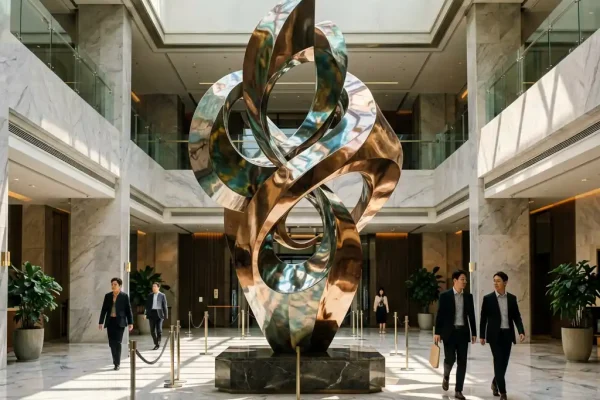
Professional design assistance can elevate your project significantly, catching structural or aesthetic issues before fabrication begins. our urban whimsy abstract cartoon sculpture project
Clear payment terms protect both you and the manufacturer. Typical custom sculpture payment structures include:
Avoid manufacturers who demand full payment upfront. Conversely, be prepared to provide a substantial deposit — materials alone represent significant cost for large sculptures.
A confident manufacturer will happily connect you with past clients. Speaking directly with previous customers provides invaluable insight into the working relationship, reliability, and problem-solving capabilities of the manufacturer.
Ask references about communication responsiveness, adherence to timelines, budget accuracy, and whether the final sculpture met their expectations. If a manufacturer hesitates to provide references, consider it a red flag.
Public installations often require permits, engineering approvals, and site preparation that many clients are not familiar with. Ask whether the manufacturer can:
Manufacturers with experience in public art installations will have streamlined processes for these regulatory requirements.
Understanding the warranty protects your investment. Ask about:
A strong warranty signals confidence in workmanship and materials. Read the warranty terms carefully before signing.
| Red Flags | Green Flags |
|---|---|
| Vague or no portfolio to share | Extensive portfolio with diverse projects |
| Unrealistically low pricing or fast timelines | Detailed, transparent quotes with line items |
| No written contract or warranty | Clear contracts with defined scope and terms |
| Hesitation to provide client references | Happy to connect you with past clients |
| Lack of in-house design capabilities | Full-service design-to-installation offering |
| Poor communication during the quoting process | Responsive, clear, and professional communication |
| No quality control documentation | Documented QC processes and inspection records |
| Limited material capabilities | Expertise across multiple materials and techniques |
Choosing the right sculpture manufacturer is one of the most important decisions in your project. Take your time, ask these questions, and visit projects or facilities when possible. The right partner will deliver not just a sculpture, but a rewarding collaboration and a piece you will treasure for decades.
Start your search by identifying 3–5 manufacturers whose portfolios align with your project vision. For each candidate, follow this vetting process:
Taking these steps will dramatically reduce your risk of choosing the wrong partner and increase your confidence in the manufacturer you ultimately select.
Ready to discuss your project? Contact YSculptures today and experience our commitment to quality craftsmanship.
James Liu is Project Manager at Y Sculptures, specializing in end-to-end custom sculpture project delivery for commercial, hospitality, and public art sectors. With 12 years in the industry, James coordinates design approvals, material sourcing, fabrication timelines, international shipping logistics, and on-site installation. He has successfully delivered 500+ projects to 30+ countries.
Browse real projects matching this topic
Continue reading related articles
Explore our full range of custom sculpture services

Learn More →

Learn More →

Learn More →

Learn More →

Learn More →

Custom FRP and fiberglass sculpture manufacturer - design, fabrication, and finishing.
Learn More →
Custom stainless steel, bronze, corten, and aluminum sculpture manufacturer.
Learn More →
Custom Theme Park Sculptures – Bringing Imagination to Life Theme parks, amusement parks, zoos, and entertainment destinations thrive on immersive...
Learn More →
Custom Commercial Sculptures – Elevate Your Brand & Space In today's competitive retail and commercial environment, first impressions matter. Commercial...
Learn More →