

Custom Sculpture Insights & Guides
FRP Sculpture Manufacturing Process: From Mold Making to Finished Statue
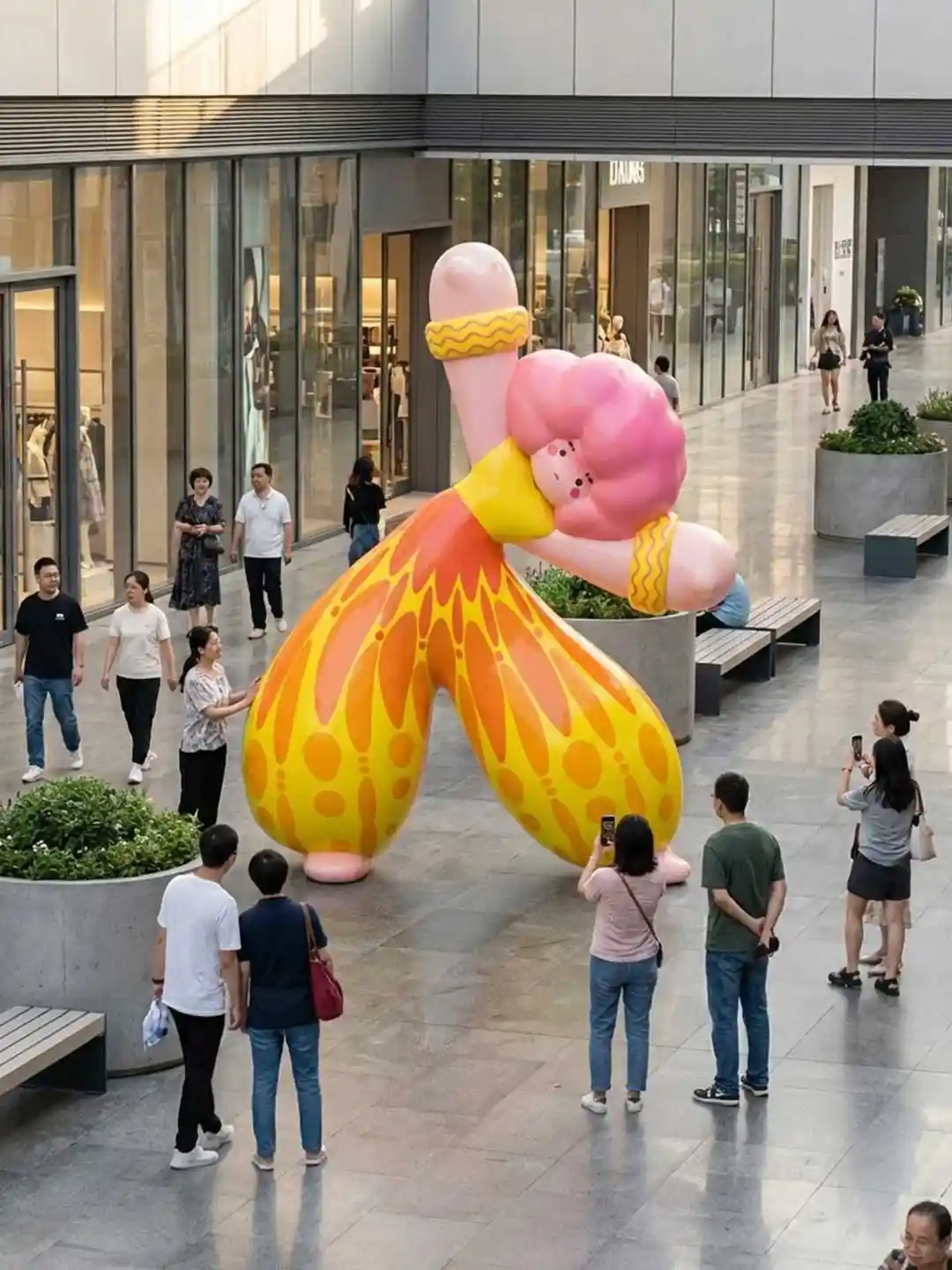
Design and 3D Modeling: The Blueprint of Every FRP Sculpture
Every exceptional FRP sculpture begins long before resin touches fiberglass. The process starts with a detailed design phase where concept art, reference photographs, or client sketches are translated into production-ready digital files. Y Sculptures’ in-house design team uses advanced 3D modeling software — including Rhino 3D, ZBrush, and Blender — to create precise digital sculptures that account for scale, structural integrity, and mold parting lines.
During this stage, the design is carefully reviewed for manufacturability in FRP (fiber-reinforced plastic). The 3D model is sectioned into logical mold pieces, with consideration given to undercuts, draft angles, and the natural flow of fiberglass matting. For large-scale sculptures exceeding 10 meters, the model is subdivided into transportable sections, each designed with internal flange connections. This digital-first approach eliminates costly physical revisions later and ensures the final statue matches the approved design within millimeters.
Once the digital model receives client approval, the team generates CNC toolpaths for foam cutting and creates detailed engineering drawings for internal armature structures. This phase alone can take 3 to 10 business days depending on sculpture complexity, but it is the single most important step in guaranteeing a flawless finished piece.
Mold Making: Creating the Negative Space
With the approved 3D model, the mold making phase begins. First, a full-scale physical pattern is milled from high-density polyurethane foam using Y Sculptures’ 5-axis CNC routers. This foam pattern replicates every detail of the approved digital sculpture — from fine facial features to textured surfaces. The pattern is then hand-sanded and sealed to create a smooth, defect-free surface.
For the mold itself, the team typically uses silicone rubber for complex shapes with deep undercuts, or fiberglass-reinforced epoxy for simpler geometries requiring higher durability. A release agent is applied to the pattern to prevent adhesion. Multiple coats of silicone or epoxy are brushed on, each layer building thickness. For large sculptures, the mold is reinforced with a fiberglass and polyester resin mother mold (called a “jacket”) that prevents distortion during production.
The mold is cut along predetermined parting lines, removed from the pattern, and inspected for air bubbles, thin spots, or surface imperfections. A high-quality mold can be reused for 20 to 50 castings, making the upfront investment worthwhile for clients needing multiple copies of the same sculpture. Y Sculptures’ large-scale custom sculpture projects often involve sectional molds that are assembled and disassembled repeatedly during production. We walk through the complete fabrication process in our manufacturing guide: Custom Sculpture Manufacturing: 7-Step Process Guide.
Hand Lay-Up and Spray-Up: Applying the Fiberglass Layers
Two primary methods are used for applying FRP: hand lay-up and spray-up (chopped strand). In the hand lay-up process, fiberglass mat or woven roving is cut to shape, placed into the mold, and saturated with catalyzed resin using brushes and rollers. The laminator works from the center outward, carefully removing air pockets — called “voids” — that would weaken the laminate. Each layer is applied at a specific orientation to maximize strength in the direction of structural load.
Spray-up is faster and preferred for large, simple shapes. A chopper gun simultaneously cuts fiberglass roving into short strands and sprays them together with catalyzed resin onto the mold surface. While spray-up produces slightly lower fiber-to-resin ratios, it significantly reduces labor time for sculptures with large flat areas or gentle curves.
For structural sculptures bearing wind or load stress, Y Sculptures combines both methods: hand lay-up for detailed areas and high-stress zones, with spray-up filling the bulk body. Internal reinforcement — steel armatures, wood blocking, or rigid foam cores — is integrated between layers. The number of fiberglass layers depends on the sculpture’s size and application, ranging from 3 layers for small indoor pieces to 15+ layers for large outdoor installations.
Curing: Letting Chemistry Do Its Work
Once all layers are applied, the impregnated fiberglass undergoes an exothermic chemical reaction as the catalyst (typically MEKP — methyl ethyl ketone peroxide) cross-links the polyester or vinyl ester resin. The mold is kept at a controlled temperature — typically 18–25°C — to ensure even, complete curing. Accelerated curing at higher temperatures is possible but risks warping or brittleness.
Curing time varies by resin formulation, ambient temperature, and part thickness. Standard polyester resin cures to a demoldable state in 2 to 6 hours, with full mechanical strength developing over 24 to 72 hours. Vinyl ester and epoxy resins require longer cure cycles but deliver superior chemical and UV resistance for outdoor applications. During this phase, the part is left undisturbed to prevent micro-cracking at the laminate interfaces.
Demolding: Releasing the FRP Sculpture
After the resin has fully cured, the part is carefully demolded. Compressed air is introduced at the mold parting lines to break the vacuum seal. Wooden or plastic wedges are gently tapped along the edges, and the mold halves are separated. For complex sculptures with deep undercuts, flexible silicone molds are peeled away from the rigid FRP surface. The release agent applied earlier ensures the part separates cleanly without surface damage.
The freshly demolded FRP sculpture appears matte on the mold side and textured on the back side. Flash — excess material at mold seams — is trimmed using rotary tools, and any minor surface defects like pinholes or dry spots are filled with body filler and re-sanded. The sculpture is then set aside for post-curing if specified by the resin manufacturer, typically at 40–60°C for several hours to stabilize the material.
Finishing and Painting: Bringing the Sculpture to Life
Finishing transforms a functional FRP shell into a museum-quality art piece. The surface is block-sanded progressively from 80-grit to 400-grit to remove mold lines, filler spots, and texture variations. For sculptures requiring a glossy automotive-grade finish, the surface is primed with a two-part urethane primer, sanded again with 600-grit, and sealed.
Painting follows Y Sculptures’ multi-coat system: a primer coat, two to three color coats, and a protective clear coat. The paint is typically polyurethane or acrylic urethane — formulations chosen for UV stability, color retention, and resistance to chalking. For outdoor sculptures, the clear coat includes UV absorbers and is applied at 2–3 mils dry film thickness. Custom finishes — metallic flake, stone texture, patina effects, or brand-matched Pantone colors — are applied during the color coat stage.
Detail painting (eyes, lips, costume trim, or logos) is done by hand by Y Sculptures’ experienced finishers. The final inspection under multiple lighting conditions ensures uniform color, smooth transitions, and zero surface defects before the piece moves to quality control.
Quality Control: Every Sculpture Inspected
Quality control at Y Sculptures follows a structured checklist that mirrors automotive and marine standards for FRP manufacturing. Every sculpture is inspected for: laminate thickness (measured with ultrasonic gauges against design specifications), fiber-to-resin ratio (verified by weight sampling), surface hardness (Barcol hardness tester), gel coat thickness, color match (spectrophotometer), void content (visual and tap-testing), dimensional accuracy (compared to the approved 3D model), and structural armature integrity (X-ray or borescope inspection for embedded steel).
Outdoor sculptures additionally undergo a simulated weathering test using a UV condensation chamber. Water intrusion points at seams and bolted connections are sealed with marine-grade caulk, and drainage holes are verified for proper placement. Only after passing all QC checks does the sculpture receive its final approval stamp and move to packaging.
Shipping: From Huizhou to the World
Y Sculptures operates a 200,000-square-foot factory in Huizhou, China, with dedicated packing and crating facilities for domestic and international shipping. Small sculptures (under 2 meters) are packed in custom plywood crates lined with closed-cell foam, with the sculpture secured by interior bracing. Large sculptures are shipped in sections, each piece individually crated with assembly hardware and detailed installation instructions.
For containerized ocean freight, sections are arranged to maximize container utilization, reducing shipping costs by up to 30% compared to fully assembled alternatives. On-site assembly support is available for complex installations, with Y Sculptures sending experienced technicians to oversee joining, seam fairing, and touch-up painting. The company’s end-to-end approach — from design through installation — ensures that every FRP sculpture arrives exactly as specified. To learn more about Y Sculptures’ full range of capabilities, visit our solutions and services page and FRP fiberglass sculpture manufacturing hub. For more detail on the production and engineering stages, read How Custom Sculptures Are Made: From Concept to Installation in 10 Steps.
D
Written by David Chen
David Chen is Design Director at Y Sculptures with 18+ years in large-scale sculpture design and fabrication. He specializes in FRP, stainless steel, and bronze sculpture engineering, overseeing design-to-production workflows for theme park attractions, public art installations, and brand IP mascots. David has personally directed over 300 custom sculpture projects for clients across 20+ countries.
Related Projects
Browse real projects matching this topic



Related Insights
Continue reading related articles
Brand Mascot & IP
Oct 13, 2026
Esports Arena & Gaming Venue Sculpture: Landmarks, Trophies & Mascot Statues
Commercial & Hospitality
Oct 13, 2026
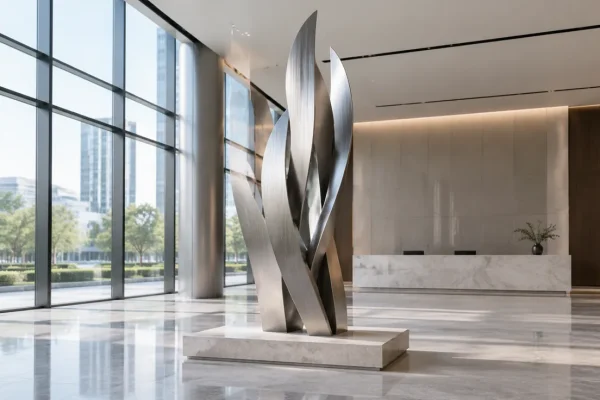
Corporate Lobby & Office Sculpture: Commissioning Guide for Developers

Custom Sculpture Insights & Guides
Oct 13, 2026
How Long Do Outdoor Sculptures Last? Material-by-Material Lifespan Guide
Our Sculpture Solutions
Explore our full range of custom sculpture services

IP Character Replication
Beyond 2D: Why IP Replication Drives Brand Engagement A character that lives only on a screen is easy to scroll...
Learn More →
Large Sculpture Custom
Engineering Monumental Scale A sculpture that stands 15 metres tall is not simply a 1.5-metre maquette scaled up ten times....
Learn More →
Original IP Development
From Concept to Icon Most sculpture enquiries begin with a reference: a licensed character, a film hero, an existing artwork...
Learn More →
Solutions Services
One Factory, Every Sculpture Material A sculpture brief rarely arrives pre-sorted by material. A client sends a reference image, a...
Learn More →
Custom Inflatables
Inflatable Sculptures as Brand Media Most sculptural commissions are permanent assets: they are built once, installed once, and admired for...
Learn More →
FRP & Fiberglass Sculpture Manufacturing
Custom FRP and fiberglass sculpture manufacturer - design, fabrication, and finishing.
Learn More →
Stainless Steel & Metal Sculpture Manufacturing
Custom stainless steel, bronze, corten, and aluminum sculpture manufacturer.
Learn More →
Theme Park Sculpture Services – Custom Amusement Park Statues
Custom Theme Park Sculptures – Bringing Imagination to Life Theme parks, amusement parks, zoos, and entertainment destinations thrive on immersive...
Learn More →
Commercial Sculpture Services – Custom Brand Mascots & Mall Art
Custom Commercial Sculptures – Elevate Your Brand & Space In today's competitive retail and commercial environment, first impressions matter. Commercial...
Learn More →