
Public Art

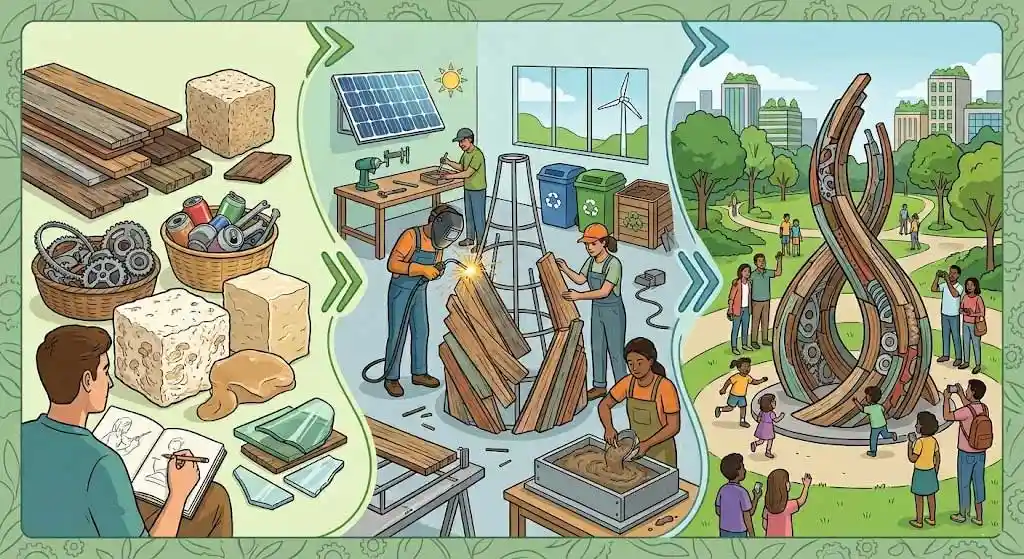
As environmental awareness grows across the architecture, design, and construction industries, the demand for sustainable sculpture design has never been higher. Architects, city planners, and corporate clients increasingly require that public art installations align with green building standards like LEED and BREEAM.
This guide explores how Y Sculptures approaches eco-friendly sculpture manufacturing, the sustainable materials available for public art, and how to balance environmental responsibility with artistic vision.
| Driver | Requirement | Market Trend |
|---|---|---|
| Green Building Certifications | LEED/BREEAM art contribution points | 65% of new commercial projects require sustainable art |
| Corporate ESG Goals | Carbon footprint reporting for installations | 80% of Fortune 500 companies track art sustainability |
| Public Procurement | Municipal art programs require green materials | 40+ cities have sustainable public art policies |
| Consumer Expectation | Eco-conscious audiences prefer sustainable art | 73% prefer brands that invest in sustainable art |
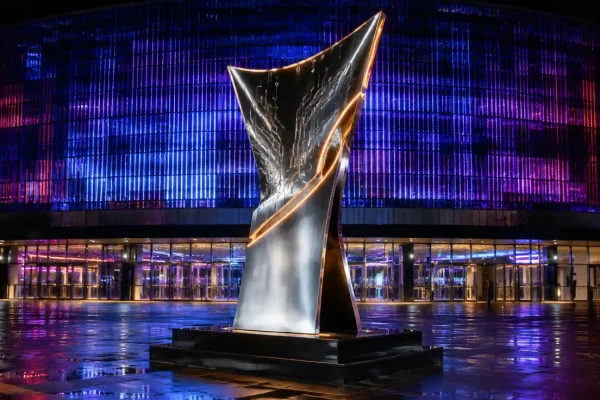
Stainless steel and bronze can be produced using significant recycled content. Stainless steel typically contains 60-80% recycled material, while bronze can incorporate recycled copper and tin. These materials maintain the same quality and appearance as virgin metals while reducing mining impact. The Chromium Sentinel project demonstrates how recycled stainless steel creates stunning, durable public art.
Modern fiberglass-reinforced plastic (FRP) formulations use bio-based resins derived from plant materials rather than petroleum. These bio-resins reduce the carbon footprint of FRP sculptures by 30-40% while maintaining the same strength and weather resistance.
Some of the most compelling sustainable sculptures incorporate reclaimed materials — salvaged steel from decommissioned ships, recycled industrial components, or repurposed architectural elements. Each piece carries a unique story of transformation. The Synthesis of Growth project illustrates how design concepts emphasizing environmental themes resonate with eco-conscious audiences.
Traditional concrete has a high carbon footprint, but new low-carbon alternatives using supplementary cementitious materials (SCMs) reduce emissions by 40-60%. These materials are ideal for large sculptural installations where weight and mass are required.
Y Sculptures’ Huizhou factory utilizes energy-efficient furnaces, LED lighting throughout production areas, and optimized production scheduling to minimize energy consumption. Our large-scale custom fabrication process prioritizes waste reduction at every stage. For more detail on the production and engineering stages, read Custom Sculpture Manufacturing: 7-Step Process Guide.
Metal offcuts are collected and returned to foundries for recycling. FRP waste is minimized through precise computer-controlled cutting and excess material reuse. Packaging materials are selected for recyclability and minimal environmental impact.
For client projects requiring on-site installation, we prioritize local material sourcing and subcontractor partnerships to reduce transportation emissions. Global projects utilize efficient shipping routes and carbon offset programs.
Learn about FRP durability and material lifespan in our dedicated guides.
The most sustainable sculpture is one that lasts. Durable materials, proper protective coatings, and designs that age gracefully reduce the need for replacement. Our Sculpture Maintenance Guide provides best practices for extending sculpture lifespan through proper care.
Beyond longevity, we design sculptures with end-of-life in mind — pieces that can be recycled or repurposed when they eventually reach the end of their service life. This circular approach ensures that no sculpture becomes permanent waste.
The Ethereal Oasis sculpture installation at a luxury resort exemplifies sustainable sculpture design — the piece uses locally sourced stainless steel with high recycled content, incorporates natural water features that support local biodiversity, and was fabricated using energy-efficient processes. Our manufacturing guide — How Custom Sculptures Are Made: From Concept to Installation in 10 Steps — covers everything from mold-making to final finishing.
For projects requiring LEED or BREEAM documentation, Y Sculptures provides full material sourcing reports, recycled content certificates, and carbon footprint assessments. Our Original IP Development team can incorporate specific sustainability requirements into the design process.
Y Sculptures is committed to reducing the environmental impact of public art without compromising quality or artistic vision. Contact us to discuss how we can help you create an eco-friendly sculpture that meets your sustainability goals and aesthetic ambitions.
David Chen is Design Director at Y Sculptures with 18+ years in large-scale sculpture design and fabrication. He specializes in FRP, stainless steel, and bronze sculpture engineering, overseeing design-to-production workflows for theme park attractions, public art installations, and brand IP mascots. David has personally directed over 300 custom sculpture projects for clients across 20+ countries.
Browse real projects matching this topic
Continue reading related articles
Explore our full range of custom sculpture services

Beyond 2D: Why IP Replication Drives Brand Engagement A character that lives only on a screen is easy to scroll...
Learn More →
Engineering Monumental Scale A sculpture that stands 15 metres tall is not simply a 1.5-metre maquette scaled up ten times....
Learn More →
From Concept to Icon Most sculpture enquiries begin with a reference: a licensed character, a film hero, an existing artwork...
Learn More →
One Factory, Every Sculpture Material A sculpture brief rarely arrives pre-sorted by material. A client sends a reference image, a...
Learn More →
Inflatable Sculptures as Brand Media Most sculptural commissions are permanent assets: they are built once, installed once, and admired for...
Learn More →
Custom FRP and fiberglass sculpture manufacturer - design, fabrication, and finishing.
Learn More →
Custom stainless steel, bronze, corten, and aluminum sculpture manufacturer.
Learn More →
Custom Theme Park Sculptures – Bringing Imagination to Life Theme parks, amusement parks, zoos, and entertainment destinations thrive on immersive...
Learn More →
Custom Commercial Sculptures – Elevate Your Brand & Space In today's competitive retail and commercial environment, first impressions matter. Commercial...
Learn More →