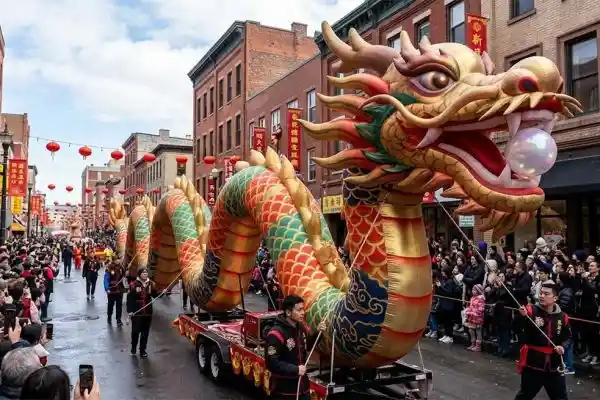
Inflatable Sculpture

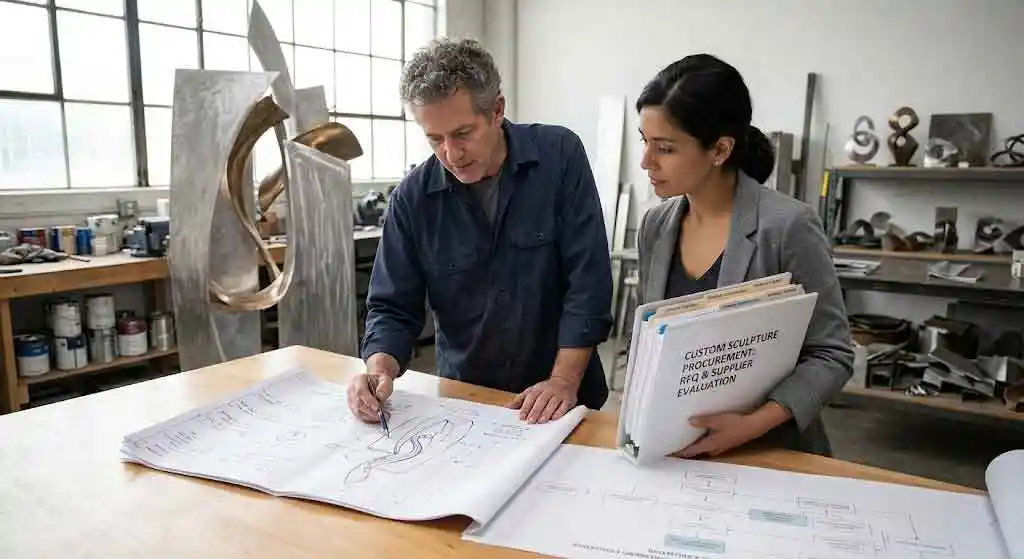
Procuring a custom sculpture for a theme park, corporate campus, retail destination, or public art installation is a high-stakes investment. Unlike off-the-shelf decor, a custom sculpture requires close collaboration between buyer and manufacturer across design development, material selection, fabrication, logistics, and installation. A structured procurement process reduces risk, custom sculpture budgeting guide, and ensures the final artwork matches the original vision. See our complete guide to transportation and logistics for large-scale sculpture shipping Learn about hidden costs in custom sculpture projects Our manufacturing guide — Custom Sculpture Manufacturing: 7-Step Process Guide — covers everything from mold-making to final finishing.
This guide covers the end-to-end procurement workflow for custom sculptures in 2026: procurement models, RFQ best practices, supplier evaluation criteria, contract essentials, payment terms, and timeline management. Whether you are sourcing your first sculpture or refining an existing process, these frameworks will help you make informed decisions.
Custom sculpture procurement generally follows one of three models. Each offers distinct trade-offs between cost, control, and complexity.
| Model | Descriptio | Best For | Cost Control | Lead Time | Risk Level |
|---|---|---|---|---|---|
| Design-Bid-Build (DBB) | Client commissions a design concept, then solicits bids from fabricators. | Clients with in-house design teams or independent designers. | High — competitive bidding drives price transparency. | Longer — sequential phases add time. | Moderate — design may need rework to fit budget. |
| Design-Build (DB) | Single fabricator handles design and fabrication under one contract. | Clients seeking simplicity and single-point accountability. | Moderate — less competition on design scope. | Shorter — parallel workflows compress schedule. | Lower — fewer coordination gaps. |
| Turnkey / EPC | Manufacturer manages design, fabrication, shipping, and on-site installation. | International buyers, complex installations, or clients without local project management. | Lower upfront — bundled pricing; fewer change orders. | Predictable — single vendor controls all phases. | Lowest — full scope responsibility. |
Y Sculptures operates a design-build model, offering end-to-end support from concept through installation.
A well-written Request for Quotation (RFQ) is the foundation of successful procurement.
For a detailed RFQ template with sample language, see our companion article: How to Write an Effective RFQ for Custom Sculpture Projects. Compare materials in our ultimate material comparison guide
Evaluating sculpture manufacturers requires more than comparing prices. Use this 12-factor checklist to assess potential partners. Our manufacturing guide — How Custom Sculptures Are Made: From Concept to Installation in 10 Steps — covers everything from mold-making to final finishing.
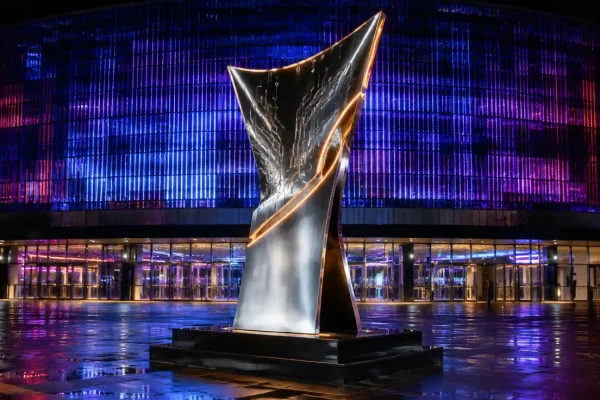
Projects like The Chromium Sentinel and Urban Elegance demonstrate the level of quality achievable when rigorous supplier evaluation is applied early.
A robust contract protects both parties. Key clauses for custom sculpture procurement include:
Payment terms vary by supplier and project complexity.
| Payment Model | Typical Split | Trigger | Buyer Risk | Supplier Risk |
|---|---|---|---|---|
| Deposit + Milestone + Final | 30% / 40% / 30% | Deposit at contract, milestone at prototype, final before shipping. | Low | Moderate |
| 50/50 Split | 50% deposit, 50% before shipment | Deposit at contract, balance upon completion. | Moderate | Low |
| Progress Billing | Monthly invoices | Certified progress reports. | Low | Low |
| Letter of Credit | 100% via LC | Documents presented to bank. | Low | Low |
Custom sculpture projects typically follow this timeline:
For compressed schedules, a design-build model can cut duration by 30–40%. Our Flowing Dimensio
project was delivered on a fast-track timeline.
Successful custom sculpture procurement is built on structured RFQs, rigorous supplier evaluation, clear contracts, and proactive timeline management.
At Y Sculptures, we work with clients worldwide to deliver custom sculptures on time, on budget, and to exacting standards.
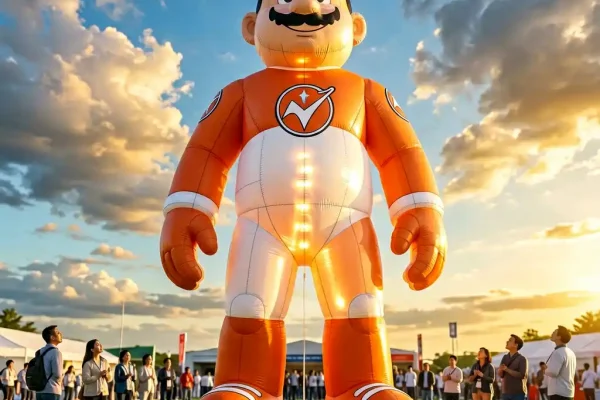
Explore more: The Ethereal Node, Mister Duria
, and The Chromium Sentinel.
Lisa Wang is Production & Quality Manager at Y Sculptures, bringing 14 years of hands-on experience in sculpture manufacturing, material science, and quality control. She leads the factory's ISO-compliant QC process, from raw material inspection to pre-shipment verification. Lisa has managed production for 2,800+ sculptures, ensuring precision in color matching, structural integrity, and surface finishing.
Browse real projects matching this topic
Continue reading related articles
Explore our full range of custom sculpture services

Beyond 2D: Why IP Replication Drives Brand Engagement A character that lives only on a screen is easy to scroll...
Learn More →
Engineering Monumental Scale A sculpture that stands 15 metres tall is not simply a 1.5-metre maquette scaled up ten times....
Learn More →
From Concept to Icon Most sculpture enquiries begin with a reference: a licensed character, a film hero, an existing artwork...
Learn More →
One Factory, Every Sculpture Material A sculpture brief rarely arrives pre-sorted by material. A client sends a reference image, a...
Learn More →
Inflatable Sculptures as Brand Media Most sculptural commissions are permanent assets: they are built once, installed once, and admired for...
Learn More →
Custom FRP and fiberglass sculpture manufacturer - design, fabrication, and finishing.
Learn More →
Custom stainless steel, bronze, corten, and aluminum sculpture manufacturer.
Learn More →
Custom Theme Park Sculptures – Bringing Imagination to Life Theme parks, amusement parks, zoos, and entertainment destinations thrive on immersive...
Learn More →
Custom Commercial Sculptures – Elevate Your Brand & Space In today's competitive retail and commercial environment, first impressions matter. Commercial...
Learn More →