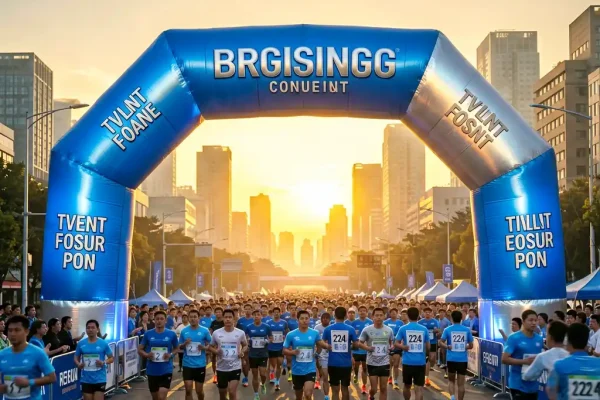
Inflatable Sculpture


Zoo sculpture and animal sculpture transforms educational spaces into immersive experiences. At Y Sculptures, we specialize in creating lifelike wildlife figures that enhance visitor engagement at zoos, aquariums, wildlife parks, and conservation centers worldwide. Our realistic animal sculptures serve both aesthetic and educational purposes, helping institutions communicate conservation messages while creating memorable photo moments.
Modern zoological institutions recognize that sculpture complements live animal exhibits in meaningful ways. Animal sculpture extends educational messaging beyond habitat boundaries, reaching visitors who may not have access to certain species. A well-placed bronze elephant or fiberglass whale becomes a teaching tool about wildlife, habitat conservation, and endangered species.
Wildlife sculpture also addresses practical zoo planning challenges. Institutions can showcase species that are endangered, nocturnal, or temporarily unavailable in live exhibits. These permanent installations ensure consistent educational content year-round, regardless of animal health or seasonal breeding cycles.
Large outdoor metal sculptures animal ideas often draw from real zoo layouts — placing figures at natural chokepoints like entrance plazas, food courts, and gift shops maximizes both visibility and impact. Interactive elements such as touch-friendly fiberglass figures invite visitor engagement that live exhibits cannot always provide.
Life-size animal figures mark entrance plazas, trail junctions, and educational zones throughout zoo grounds. Visitors encounter a realistic lion statue at a savanna exhibit entrance or a polar bear figure near arctic wildlife displays. These figures serve dual purposes: guiding visitors through the park while reinforcing the thematic identity of each zone.
Educational interpretive panels pair naturally with animal sculpture installations. When guests photograph a bronze giraffe, they learn about giraffe conservation status, habitat range, and feeding behaviors. This contextual learning reinforces the institution’s mission while creating shareable social media moments that extend reach beyond physical visits.
Wayfinding animal sculptures are particularly effective in large zoological complexes. A trail of lion, elephant, and zebra figures along a main pathway creates a narrative journey, turning simple navigation into an educational experience. Each figure can feature a QR code linking to detailed species information on the institution’s website.
Aquarium sculpture expands narrative possibilities both underwater and in above-water display areas. Marine animal sculpture includes realistic dolphins, sea turtles, manta rays, and coral reef formations. These installations work in entry plazas, indoor atriums, and even waterproof environments near touch tanks.
Fiberglass marine figures offer unique advantages for aquatic settings. The material resists moisture damage and UV degradation while allowing vibrant color reproduction. Coral reef sculpture installations use textured FRP techniques to mimic natural reef formations, creating educational touchpoints about ocean ecosystem health and marine conservation.
Interactive marine installations — such as touchable fiberglass sea turtles or wave sculptures — engage younger visitors in ways that glass tanks alone cannot. When children can physically interact with a scaled model of a marine creature, the emotional connection to conservation deepens significantly.
Selecting the right material depends on budget, scale, and maintenance requirements. Understanding animal sculpture materials helps institutions make informed decisions tailored to their specific needs and visitor demographics.
For more details on fiberglass animal sculpture, see our complete guide covering wildlife applications, material benefits, and maintenance considerations for outdoor installations.
Zoo sculpture placement requires careful consideration of animal welfare and visitor safety. Installations must maintain appropriate distances from live animal enclosures while remaining accessible for educational programming. Figures near predator habitats should avoid realistic prey animal depictions that could stress resident animals.
Outdoor zoo sculptures face unique environmental challenges. UV exposure, temperature fluctuations, and heavy visitor contact demand durable construction. Our FRP figures include UV-stabilized resins and protective topcoats that maintain color vibrancy for years. Anti-graffiti coatings simplify cleaning after heavy visitor seasons, and replaceable paint layers extend each figure’s operational life beyond a decade.
Safety-conscious design includes rounded edges on all visitor-accessible figures, non-slip mounting bases, and impact-resistant construction. Figures placed in high-traffic areas undergo additional structural reinforcement to withstand accidental contact from children and strollers.
Social media has transformed zoo sculpture into powerful conservation marketing tools. Instagram-worthy animal installations attract visitors who share photos online, creating organic promotion that extends the institution’s reach far beyond its physical boundaries. Institutions report increased social media mentions when distinctive sculpture features complement new exhibit openings.
Conservation messaging integrates naturally through sculpture partnerships. Many zoos collaborate with wildlife organizations to display animal sculpture alongside fundraising campaigns. A fiberglass sea turtle installation might accompany sea turtle conservation programs, with QR codes linking directly to donation pages and educational resources.
Photo-op sculptures are strategically placed at natural stopping points — near cafes, rest areas, and exhibit transitions — maximizing both engagement and educational impact. The most successful installations combine visual appeal with meaningful conservation messaging.
Working with Y Sculptures for zoo and aquarium projects follows a collaborative process. We begin with site assessments, understanding visitor flow patterns, educational goals, and institutional branding. Our design team creates concept sketches incorporating your species requirements and space constraints.
From concept to installation, we handle engineering, fabrication, and on-site placement coordination. Zoo sculpture projects typically require 8-16 weeks depending on complexity and scale. Our portfolio includes installations at wildlife parks, aquariums, botanical gardens, and museum complexes worldwide.
For educational institutions seeking educational public art solutions, our commissioning process ensures each piece aligns with your institutional mission and visitor experience goals. Whether you need a single landmark elephant or a complete animal sculpture series for habitat zones, Y Sculptures delivers professional zoo art that engages visitors and supports conservation education.
Explore more large outdoor metal sculptures animal ideas to see how bronze, stainless steel, and FRP animal figures can transform your zoo or aquarium space into an unforgettable educational experience.
Browse real projects matching this topic
Continue reading related articles
Explore our full range of custom sculpture services

Beyond 2D: Why IP Replication Drives Brand Engagement A character that lives only on a screen is easy to scroll...
Learn More →
Engineering Monumental Scale A sculpture that stands 15 metres tall is not simply a 1.5-metre maquette scaled up ten times....
Learn More →
From Concept to Icon Most sculpture enquiries begin with a reference: a licensed character, a film hero, an existing artwork...
Learn More →
One Factory, Every Sculpture Material A sculpture brief rarely arrives pre-sorted by material. A client sends a reference image, a...
Learn More →
Inflatable Sculptures as Brand Media Most sculptural commissions are permanent assets: they are built once, installed once, and admired for...
Learn More →
Custom FRP and fiberglass sculpture manufacturer - design, fabrication, and finishing.
Learn More →
Custom stainless steel, bronze, corten, and aluminum sculpture manufacturer.
Learn More →
Custom Theme Park Sculptures – Bringing Imagination to Life Theme parks, amusement parks, zoos, and entertainment destinations thrive on immersive...
Learn More →
Custom Commercial Sculptures – Elevate Your Brand & Space In today's competitive retail and commercial environment, first impressions matter. Commercial...
Learn More →