
Commercial & Hospitality
Spa & Wellness Center Sculpture: Creating Calm Through Art

Why Wellness Spaces Need Art
A spa or wellness center is more than a service provider — it is an environment designed to restore balance, reduce stress, and nurture the whole person. While the quality of treatments matters, the visual atmosphere shapes the guest experience from the first step through to departure. A spa sculpture placed thoughtfully in lobbies, hydrotherapy rooms, and treatment suites elevates the space from functional to memorable, turning a routine visit into a sensory journey.
Research in biophilic design — the practice of incorporating nature-evoking elements into built environments — consistently links exposure to natural forms and materials with reduced cortisol levels and lower heart rates. While exact metrics vary by study, the design principle is clear: spaces that echo the patterns, textures, and calm of the natural world support the relaxation that guests seek. Sculpture, as a three-dimensional expression of natural forms, sits at the intersection of art, nature, and wellness.
The Calming Palette: Stone, Soft Forms, Water, and Natural Tones
Wellness art should feel like a natural extension of the environment, not a visual interruption. The most effective wellness center sculpture choices share four characteristics:
- Stone and mineral textures — rough-hewn granite, smooth river stone, and honed marble carry the weight of permanence and earth. They ground a space visually and psychologically.
- Soft, flowing forms — curves, undulating surfaces, and organic silhouettes avoid the rigidity of geometric abstraction, which can feel clinical in a spa context.
- Motion and water— a gentle water feature or kinetic element introduces sound and movement, two sensory layers that deepen the immersive experience.
- Natural color tones — beige, taupe, soft grey, sage green, and warm wood hues blend with the palette most spas already use for walls, towels, and lighting.
These four elements combine to create a visual language that speaks to the subconscious desire for calm, rather than demanding conscious attention.
Spa Lobby and Reception
The lobby is the first impression. Guests arriving after a long journey or a stressful week are scanning the space for cues that they have entered somewhere safe and restorative. A statement piece at the reception desk or in the center of the foyer sets that tone immediately.
Ideal lobby sculptures for wellness centers include:
- Abstract organic forms — a smooth stone-like vessel or a flowing curve in FRP with a stone-texture finish serves as a sculptural anchor without overwhelming the space.
- Water-and-stone combination pieces — a wall-mounted basin with a slow water cascade framed by smooth stones introduces both sight and sound, masking the hum of HVAC systems.
- IP-inspired wellness characters — for resort spas targeting families, a gently designed IP sculpture in earth tones can serve as a photo moment while maintaining the calming atmosphere.
The piece should be proportionate to the ceiling height and traffic flow. A sculpture that is too small gets lost; one that is too large competes with staff and sightlines. Hospitality sculpture design principles apply directly here — the artwork should welcome, not distract.
Treatment Room and Hydrotherapy Placement
Treatment rooms demand a different approach. The sculpture here should be subtle enough to not become a focal point that breaks the guest’s meditative state, yet present enough to reinforce the sense of being in a curated, intentional space.
Best placements include:
- Corner pedestals — a small stone-texture sphere or organic form on a low plinth beside the massage table, within the guest’s peripheral vision.
- Hydrotherapy walls — a wall-mounted FRP panel with a continuous water film creates a living backdrop for plunges and showers.
- Indoor-outdoor transition zones — where a treatment room opens to a private terrace, a sculpture positioned to be visible from both inside and out bridges the two environments.
For interior sculpture installation in these sensitive spaces, weight and mounting method are critical. FRP sculptures are ideal here — they are lightweight, can be wall-mounted with minimal hardware, and are easy to reposition as the spa redesigns its layout over time.
Water Features and Soft Motion
Water is one of the most universally calming sensory inputs. A water feature sculpture introduces movement, sound, and reflection — three layers of engagement that keep the mind occupied in a gentle, non-demanding way.
For wellness environments, the water should be:
- Slow-moving — a gentle sheet or drip, never a vigorous fountain that creates noise competition.
- Visually soft — stone, matte metal, or FRP with a muted finish; polished chrome or bright colors feel out of place in a spa.
- Quietly mechanical — pumps and recirculation should be acoustically isolated. A humming pump undermines the tranquility the sculpture is meant to create.
A well-designed water sculpture in a spa lobby can serve as a focal point that guests remember, while the same design scaled down works beautifully in a hydrotherapy corridor.
Materials and Sensory Considerations
The choice of material for a spa sculpture goes beyond aesthetics — it affects touch, sound, maintenance, and the overall sensory harmony of the space.
FRP with Stone or Wood Finish
Fiberglass-reinforced plastic (FRP) is the most practical choice for wellness center sculpture. It can be cast to replicate the texture of carved stone, the grain of weathered wood, or the smoothness of river pebbles — at a fraction of the weight and cost of the real material. Spa sculpture materials comparison always shows FRP winning on install flexibility and lifecycle cost. A stone-textured FRP piece that weighs 40 kg can be wall-mounted in a treatment room without structural reinforcement.
Carved Stone
Real stone carries unmatched authenticity. A hand-carved granite or soapstone piece in a lobby communicates permanence and craftsmanship. The trade-off is weight — a 60 cm stone sphere may weigh 150 kg, requiring a floor-mounted pedestal and careful logistics. Stone also ages gracefully, developing a patina that many spa operators consider an asset.
Bronze Accents
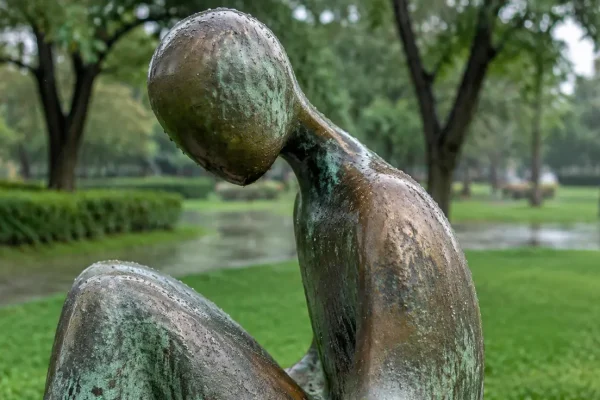
Bronze introduces warmth and contrast. A bronze hand or abstract figure on a stone base adds a metallic accent without dominating the palette. Bronze patinas in verde or dark brown complement natural stone and wood tones. The main consideration is maintenance — bronze requires periodic sealing in humid spa environments to prevent unwanted corrosion.
Commissioning Wellness Art with Y Sculptures
At Y Sculptures, we work with resort spas, day spas, wellness centers, and boutique hotels to create sculpture programs that fit their specific brand voice and spatial constraints. Our process begins with understanding the guest journey — from arrival through treatment to departure — and identifying the moments where art can deepen the experience.
We offer full custom design, from initial concept sketches to on-site installation support. Whether you need a single statement piece for your lobby or a curated collection of smaller works for treatment rooms and corridors, our team coordinates material selection, finishing, and logistics to ensure the sculpture arrives ready to transform your space.
Contact us to discuss your wellness center sculpture needs and explore how art can become part of your guests’ relaxation story.
y
Related Projects
Browse real projects matching this topic
Related Insights
Continue reading related articles
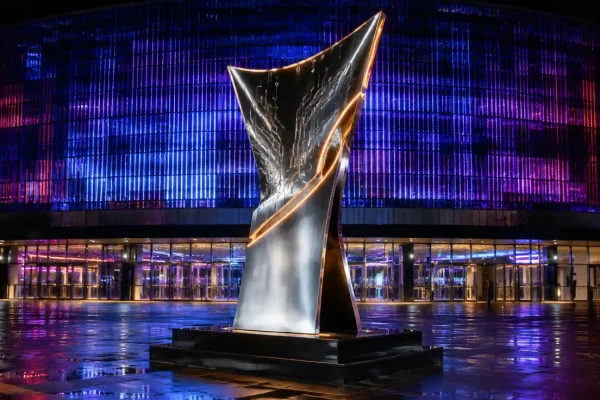
Brand Mascot & IP
Oct 13, 2026
Esports Arena & Gaming Venue Sculpture: Landmarks, Trophies & Mascot Statues
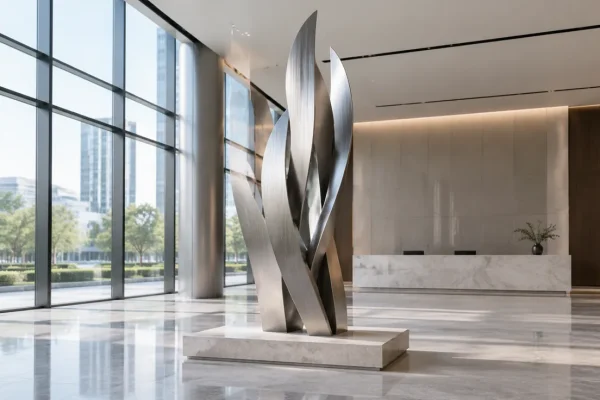
Commercial & Hospitality
Oct 13, 2026
Corporate Lobby & Office Sculpture: Commissioning Guide for Developers
Custom Sculpture Insights & Guides
Oct 13, 2026
How Long Do Outdoor Sculptures Last? Material-by-Material Lifespan Guide
Our Sculpture Solutions
Explore our full range of custom sculpture services

IP Character Replication
Beyond 2D: Why IP Replication Drives Brand Engagement A character that lives only on a screen is easy to scroll...
Learn More →
Large Sculpture Custom
Engineering Monumental Scale A sculpture that stands 15 metres tall is not simply a 1.5-metre maquette scaled up ten times....
Learn More →
Original IP Development
From Concept to Icon Most sculpture enquiries begin with a reference: a licensed character, a film hero, an existing artwork...
Learn More →
Solutions Services
One Factory, Every Sculpture Material A sculpture brief rarely arrives pre-sorted by material. A client sends a reference image, a...
Learn More →
Custom Inflatables
Inflatable Sculptures as Brand Media Most sculptural commissions are permanent assets: they are built once, installed once, and admired for...
Learn More →
FRP & Fiberglass Sculpture Manufacturing
Custom FRP and fiberglass sculpture manufacturer - design, fabrication, and finishing.
Learn More →
Stainless Steel & Metal Sculpture Manufacturing
Custom stainless steel, bronze, corten, and aluminum sculpture manufacturer.
Learn More →
Theme Park Sculpture Services – Custom Amusement Park Statues
Custom Theme Park Sculptures – Bringing Imagination to Life Theme parks, amusement parks, zoos, and entertainment destinations thrive on immersive...
Learn More →
Commercial Sculpture Services – Custom Brand Mascots & Mall Art
Custom Commercial Sculptures – Elevate Your Brand & Space In today's competitive retail and commercial environment, first impressions matter. Commercial...
Learn More →