
Custom Sculpture Insights & Guides
Bronze Patina Guide: How Green, Brown & Black Finishes Are Created (and Cared For)

What Is Bronze Patina?
Bronze patina is the thin, colored layer that forms on bronze surfaces through chemical reaction. This layer—measured in microns—protects the underlying metal from further corrosion while giving bronze sculptures their distinctive, timeless appearance. Unlike paint that sits on top of a surface, patina becomes part of the metal itself, making it far more durable and visually rich.
For outdoor bronze sculptures, patina isn’t just decorative—it’s functional. A properly applied patina seals the bronze from moisture, pollutants, and UV exposure, extending the sculpture’s lifespan by decades. The interplay between chemistry and artistry in bronze patination makes it one of the most sophisticated finishing techniques in sculptural work.
At Y Sculptures, we apply custom patinas to every bronze commission, selecting colors and textures that enhance the sculptor’s vision while ensuring the finish will withstand your specific environment—whether that’s a coastal promenade, an arid desert plaza, or a temperate urban garden.
Natural vs. Applied Patina
Natural Patination: Time and Environment
Natural patina develops when bronze is exposed to the elements over many years. Rainwater, oxygen, and atmospheric pollutants react with the copper and tin in bronze to form layers of copper carbonate, copper sulfate, and copper chloride. The iconic green verdigris seen on the Statue of Liberty took just 20-30 years to develop—the rest of the world’s famous patinated bronzes followed similar timelines.
While natural patina has character, it’s unpredictable. Weather patterns, pollution levels, and proximity to salt water all influence the color and texture. A sculpture in London develops a different patina than one in Los Angeles, even if cast from the same bronze alloy. For commissioned works where appearance matters, relying on natural development is risky.
Applied Patination: Controlled Artistry
Applied patination gives sculptors and clients complete control over the final appearance. By applying chemical solutions—either through brushing, spraying, or fuming—artists can produce specific colors immediately after casting. The process was refined over centuries, with techniques dating back to Renaissance foundries still in use today.
The key advantage of applied patina is consistency. When you commission a bronze sculpture from Y Sculptures, we can match reference images, paint chips, or historical precedents with precision. We also test patinas on sample panels before applying them to your sculpture, ensuring the final result matches your expectations.
The Main Patina Colors and How They’re Produced
Green Verdigris
The most recognizable bronze patina, verdigris ranges from bright turquoise to deep forest green. It’s produced using ferric nitrate (iron(III) nitrate), which reacts with the copper in bronze to form copper nitrate compounds. Multiple applications build up layers of varying green hues—darker greens in recessed areas, lighter tones on raised surfaces. Traditional verdelgris patination requires careful temperature and humidity control; temperatures below 15°C slow the reaction, while high humidity accelerates it.
Brown and Chocolate Tones
Brown patinas are achieved primarily through ammonium sulfide solutions. The chemical reaction produces copper sulfide, which ranges from warm honey brown to deep chocolate depending on concentration and application method. Hot application (around 60°C) produces darker, richer browns, while cold application yields lighter, warmer tones. Brown patinas are particularly popular for figurative sculptures, as they evoke the warmth of skin tones and create naturalistic contrast with green highlights in foliage or bases.
Black and Charcoal Finishes
Black patina is typically produced using liver of sulfur (potassium sulfide), one of the oldest patination chemicals known. Applied hot or cold, liver of sulfur creates a range from deep matte black to iridescent charcoal. The finish can be further manipulated by burnishing—lightly polishing raised edges to reveal bronze beneath, creating an antique effect. Black patinas pair beautifully with reflective water features and modern architectural settings.
Gold and Champagne Tones
Warm metallic finishes like gold, antique gold, and champagne are achieved through硫磺-based compounds or by combining multiple patina layers. These finishes require sealing with wax or lacquer to prevent further oxidation from changing the color. Gold patinas are especially striking on abstract and contemporary sculptures, catching light in ways that mimic solid bronze while offering the durability of a sealed chemical finish.
Chemicals and Application Processes
Bronze patination relies on a relatively small toolkit of chemicals, but mastery comes from understanding how each reacts under different conditions. Traditional patination uses ferric nitrate for greens, ammonium sulfide for browns, and liver of sulfur for blacks and warm tones. Each chemical has specific concentrations, temperatures, and application methods that affect the final result.
The application itself varies by desired effect. Fuming involves exposing the bronze to chemical vapors rather than direct liquid contact—this produces softer, more translucent layers ideal for subtle color transitions. Hot-and-cold application means applying warm solutions to some areas and cold to others, creating natural-looking variation that mimics centuries of weathering. Layering involves applying multiple patinas sequentially, allowing each to dry before the next—this builds depth and complexity impossible to achieve with a single application.
After patination, the bronze must be sealed. Marine-grade wax is the standard choice for outdoor sculptures, applied in 2-3 thin coats. Wax preserves the patina, enhances color saturation, and provides a sacrificial barrier against environmental attack. Lacquer sealants offer additional protection but can yellow over time and are harder to restore.
Patina and Weather Interplay
Even the most carefully applied patina continues to evolve—slowly, subtly—after installation. This ongoing interaction between the finish and the environment is what gives outdoor bronze its living quality. Rain washes surface contaminants away while depositing microscopic mineral residues. Sunlight fades the lightest tones first, deepening the overall color. Salt air accelerates patina formation, sometimes producing unexpected blue-green variations.
Understanding this interplay is crucial for client expectations. A bronze sculpture commissioned for a coastal location will develop patina faster than one in a dry climate. We document the initial patina appearance with photographs and provide clients with a reference panel—a small bronze sample treated identically to their sculpture—that they can monitor over time to see how their specific environment affects the finish.
Protecting and Maintaining Patina
Regular maintenance preserves bronze patina and prevents unwanted corrosion. The primary defense is waxing: applying a thin coat of microcrystalline wax every 12-24 months, depending on exposure. Coastal installations, where salt spray is constant, benefit from waxing every 12 months. In sheltered urban environments, 18-24 month intervals are sufficient.
Cleaning is equally important but must be done gently. Soft brushes and clean water remove surface dirt without disturbing the patina. Abrasive cleaners, pressure washing, and acidic solutions can strip patina entirely or create uneven patches. For bronze sculptures in public spaces, we recommend an annual professional inspection to assess patina condition and perform maintenance waxing.
If patina damage occurs—whether from vandalism, accidental abrasion, or chemical spill—repair is possible. A conservator can touch up the affected area using the original patina chemicals, blending the repair into the surrounding finish. This is far preferable to full refinishing, which would remove the aged character that makes bronze patina valuable.
Commissioning Patinated Bronze with Y Sculptures
Every bronze sculpture we create receives a custom patina selected in collaboration with the client. Our process begins with material consultation—we discuss your sculpture’s setting, lighting conditions, and aesthetic goals to recommend the optimal patina combination. For figurative works, we might suggest a brown base with green accents to evoke natural aging. For abstract pieces, a uniform black or gold patina may better express the design intent.
We maintain a library of over 40 standard patina recipes and develop custom formulations for unique requirements. Each sculpture is photographed during the patination process, giving clients visibility into how their piece develops. The final result is a bronze sculpture with a finish that is both beautiful and protected—a lifelong heirloom that gains character with age rather than suffering from it.
To discuss your bronze commission or learn more about patination options, explore our guide to bronze vs other sculpture materials or review our bronze commissioning process. You can also contact us to start your project.
D
Written by David Chen
David Chen is Design Director at Y Sculptures with 18+ years in large-scale sculpture design and fabrication. He specializes in FRP, stainless steel, and bronze sculpture engineering, overseeing design-to-production workflows for theme park attractions, public art installations, and brand IP mascots. David has personally directed over 300 custom sculpture projects for clients across 20+ countries.
Related Projects
Browse real projects matching this topic
Commercial
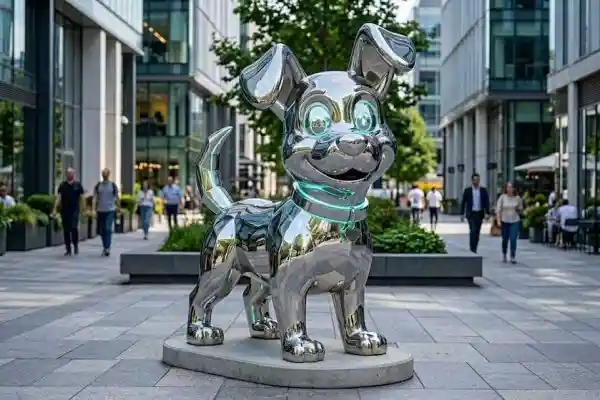
The Birth of “Sparky the Cyber-Pup”

Gardens & Resorts
Stainless Steel Garden Sphere Fountain — Mirror-Polished Water Feature
Related Insights
Continue reading related articles
Brand Mascot & IP
Oct 13, 2026
Esports Arena & Gaming Venue Sculpture: Landmarks, Trophies & Mascot Statues
Commercial & Hospitality
Oct 13, 2026
Corporate Lobby & Office Sculpture: Commissioning Guide for Developers
Custom Sculpture Insights & Guides
Oct 13, 2026
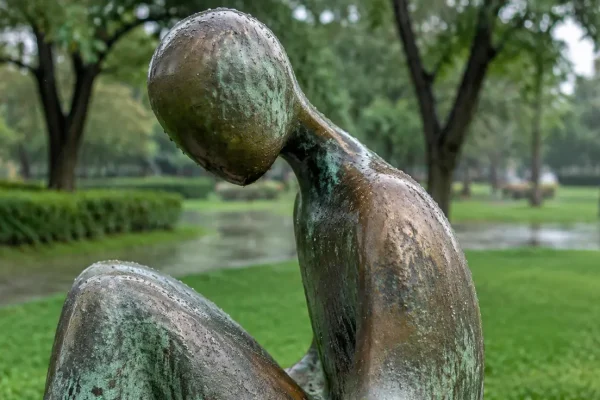
How Long Do Outdoor Sculptures Last? Material-by-Material Lifespan Guide
Our Sculpture Solutions
Explore our full range of custom sculpture services

IP Character Replication
Beyond 2D: Why IP Replication Drives Brand Engagement A character that lives only on a screen is easy to scroll...
Learn More →
Large Sculpture Custom
Engineering Monumental Scale A sculpture that stands 15 metres tall is not simply a 1.5-metre maquette scaled up ten times....
Learn More →
Original IP Development
From Concept to Icon Most sculpture enquiries begin with a reference: a licensed character, a film hero, an existing artwork...
Learn More →
Solutions Services
One Factory, Every Sculpture Material A sculpture brief rarely arrives pre-sorted by material. A client sends a reference image, a...
Learn More →
Custom Inflatables
Inflatable Sculptures as Brand Media Most sculptural commissions are permanent assets: they are built once, installed once, and admired for...
Learn More →
FRP & Fiberglass Sculpture Manufacturing
Custom FRP and fiberglass sculpture manufacturer - design, fabrication, and finishing.
Learn More →
Stainless Steel & Metal Sculpture Manufacturing
Custom stainless steel, bronze, corten, and aluminum sculpture manufacturer.
Learn More →
Theme Park Sculpture Services – Custom Amusement Park Statues
Custom Theme Park Sculptures – Bringing Imagination to Life Theme parks, amusement parks, zoos, and entertainment destinations thrive on immersive...
Learn More →
Commercial Sculpture Services – Custom Brand Mascots & Mall Art
Custom Commercial Sculptures – Elevate Your Brand & Space In today's competitive retail and commercial environment, first impressions matter. Commercial...
Learn More →