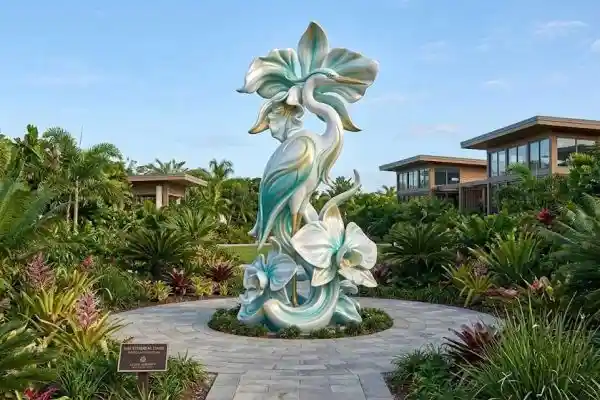
Gardens & Resorts

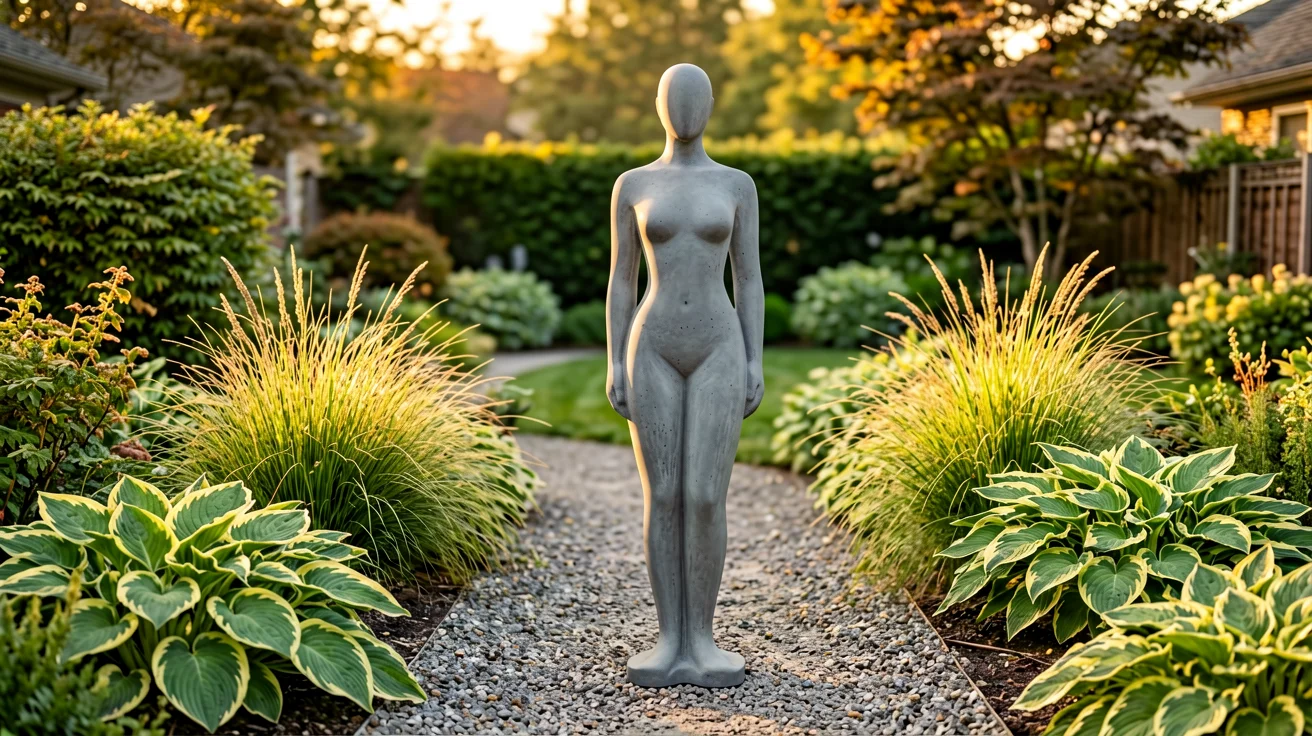
A concrete garden sculpture brings timeless elegance to outdoor spaces, combining architectural strength with artistic expression. Whether you’re commissioning a single abstract figure for a residential courtyard or specifying monumental pieces for a public park, understanding the materials and manufacturing processes behind concrete statuary is essential for making an informed investment. This guide explores the different types of garden concrete sculptures, their durability characteristics, weight considerations, finishing options, and what to expect when commissioning custom work.
Concrete has been the material of choice for outdoor art for centuries, from classical Roman fountains to contemporary modernist installations. Its enduring popularity stems from several practical advantages that make it particularly suited for garden environments.
Weather resistance is perhaps the most significant benefit. Properly formulated concrete sculptures withstand rain, snow, UV exposure, and temperature fluctuations without deteriorating. Unlike metal which can corrode or wood which can rot, concrete maintains its structural integrity for decades with minimal maintenance.
Versatility in form allows artists and fabricators to create everything from smooth, minimalist geometric shapes to highly detailed figurative works with intricate surface textures. The plastic nature of wet concrete means it can capture every nuance of a sculptor’s original model before hardening into its final form.
Cost-effectiveness makes concrete an attractive option compared to bronze or marble. While quality concrete garden sculptures require skilled craftsmanship, the raw materials are widely available and relatively inexpensive, keeping final costs accessible for both residential and commercial projects.
Customization potential extends beyond shape and size. Concrete accepts a wide range of surface treatments, from natural grey finishes to vibrant integral colors, allowing each piece to complement its surroundings or serve as a bold focal point.
Understanding the differences between concrete sculpture types helps you choose the right material for your project. Each variant offers distinct advantages depending on your design requirements, budget, and installation constraints.
Traditional cast concrete represents the most straightforward approach to concrete sculpture fabrication. This method involves pouring a standard concrete mixture—typically a blend of Portland cement, aggregate, and water—into molds created from the artist’s original model. The result is a heavy, durable piece with excellent weathering characteristics.
Thickness and weight: Traditional cast concrete sculptures typically range from 25 to 50 millimeters in wall thickness, depending on the piece size and structural requirements. A life-size human figure might weigh between 150 and 300 kilograms, while smaller garden ornaments could weigh 20 to 50 kilograms.
Compressive strength: Standard concrete achieves compressive strength ratings between 20 and 60 megapascals (MPa), with higher-strength mixes used for larger or more structurally demanding pieces. This strength ensures the sculpture can support its own weight and withstand environmental stresses over decades of outdoor exposure.
Glass-Fiber Reinforced Concrete, commonly abbreviated as GFRC, represents a technological advancement that addresses many limitations of traditional cast concrete. Developed in the 1960s, GFRC combines concrete with alkali-resistant glass fibers that provide tensile strength traditionally lacking in plain concrete.
Reduced thickness: GFRC technology allows wall thicknesses of just 10 to 20 millimeters—significantly thinner than traditional cast concrete while maintaining equivalent or superior strength. This reduction translates directly into weight savings.
Weight reduction: GFRC sculptures typically weigh approximately 70% less than traditional cast concrete pieces of comparable size. A life-size figure that would weigh 200 kilograms in traditional concrete might weigh only 60 kilograms in GFRC. This weight advantage simplifies transportation, reduces foundation requirements, and enables installation in locations where heavy pieces would be impractical.
Surface detail: The thinner profile and spray-application or wet-cast manufacturing process allows GFRC to capture exceptionally fine surface details, making it ideal for intricate designs and textured finishes.
Cast stone occupies a middle ground between traditional concrete and natural stone, offering the appearance of quarried stone with the flexibility of manufactured concrete. This process uses specially selected aggregates and colorants to replicate the appearance of limestone, sandstone, or other natural building stones.
Aesthetic appeal: Cast stone sculptures achieve warm, natural tones that blend seamlessly with garden environments. The material can mimic the weathering patterns and color variations found in natural stone, creating pieces that appear as though they’ve been part of the landscape for generations.
Durability: Cast stone meets ASTM C1364 standards for manufactured stone, ensuring consistent quality and performance. The material resists freeze-thaw cycling, acid rain, and UV degradation when properly formulated and cured.
FeatureTraditional Cast ConcreteGFRCCast Stone———
————————–
——
————|
Wall thickness25-50 mm10-20 mm25-40 mmWeight (life-size figure)150-300 kg50-80 kg120-250 kgCompressive strength20-60 MPa35-55 MPa30-50 MPaSurface detailGoodExcellentVery goodColor consistencyVariableConsistentConsistentCostModerateModerateHigherBest forMonuments, heavy piecesComplex designs, transport challengesNatural stone appearance
One of concrete’s greatest strengths as a garden sculpture material is its ability to withstand harsh outdoor conditions, including freeze-thaw cycles that can damage lesser materials.
Freeze-thaw performance depends on concrete mix design and curing. Properly air-entrained concrete contains microscopic bubbles that provide space for expanding ice within the pore structure, preventing internal cracking. Quality concrete garden sculptures should achieve 300 to 500 freeze-thaw cycles without significant deterioration when tested to ASTM C666 standards.
Winter maintenance for concrete sculptures is minimal. In regions with heavy snowfall, simply brush accumulated snow from surfaces to prevent excessive loading. Ice buildup can be removed with plastic tools—never metal implements that might scar the surface.
Long-term weathering actually benefits concrete sculptures. Over decades of outdoor exposure, concrete develops a natural patina that many collectors and landscape designers find aesthetically pleasing. This aging process creates subtle color variations and surface textures that enhance the piece’s visual depth.
Crack prevention involves proper design and installation. Sculptures with hollow sections require internal reinforcement, typically stainless steel rebar or fiber mesh, to prevent stress cracking during curing and long-term use. Quality manufacturers conduct structural analysis for pieces over one meter in height to ensure adequate reinforcement placement.
The weight of a concrete garden sculpture directly impacts installation requirements, site preparation, and long-term stability. Understanding these factors early in the commissioning process prevents costly surprises.
Ground-level installations for sculptures up to 50 kilograms typically require only a prepared, level substrate such as compacted gravel or a concrete pad. The weight itself provides sufficient stability against wind and accidental contact.
Larger pieces weighing 50 to 200 kilograms benefit from dedicated concrete footings. A standard practice involves pouring a pad 150 millimeters thick and 100 millimeters wider than the sculpture base on all sides. For irregular shapes, the footing should extend 50 millimeters beyond the sculpture’s center of gravity projection.
Monumental sculptures exceeding 200 kilograms require engineered foundations designed by structural professionals. These may include reinforced concrete footings extending below the frost line, anchor bolts embedded in the cure, or steel framing integrated into the sculpture base.
Transportation constraints often dictate sculpture size for site-specific installations. Standard truck loading limits pieces to approximately 3 meters in length, 2.5 meters in width, and 3 meters in height. GFRC’s weight advantage becomes particularly valuable for oversized pieces that would otherwise exceed transport limits.
Indoor-to-outdoor transitions present special considerations. Moving a heavy concrete sculpture through standard doorways requires planning for weight distribution, potential cracking during transport, and appropriate lifting equipment. Professional installation services experienced with concrete art minimize these risks.
Concrete’s surface versatility allows each garden sculpture to develop a distinct character that complements its intended setting. Finish selection affects both aesthetics and long-term maintenance requirements.
Natural grey finish showcases concrete’s inherent color, creating a modern, industrial aesthetic that pairs well with contemporary gardens and minimalist landscapes. This finish requires no additional treatment and develops beautiful weathering patterns over time.
Tinted concrete achieves consistent color throughout the material by adding integral pigments to the mix. Unlike surface-applied stains, integral coloring won’t fade or peel, ensuring the sculpture maintains its appearance for decades. Popular garden colors include warm tans, cool greys, earth browns, and muted blues.
Acid staining creates variegated, translucent color effects that mimic natural stone. This technique involves applying chemical solutions that react with the concrete’s calcium compounds, producing organic, unpredictable patterns ideal for artistic pieces seeking an aged appearance.
Textured surfaces range from smooth, polished finishes to rough, aggregate-exposed treatments. Sandblasting reveals the aggregate within the concrete matrix, creating tactile surfaces that catch light dynamically throughout the day. Carved or stamped textures can replicate wood grain, stone faces, or abstract patterns.
Sealed finishes protect against moisture penetration and staining while enhancing color saturation. Penetrating sealers soak into the concrete without changing its appearance, while film-forming sealers create a protective coating that may add subtle sheen. For garden sculptures, breathable sealers that allow moisture vapor to escape are preferred to prevent trapped water from causing internal damage during freeze cycles.
Concrete garden sculptures offer exceptional value compared to alternative materials, but pricing varies significantly based on size, complexity, and finish requirements.
Ready-made garden sculptures in standard sizes (30 to 60 centimeters) typically range from $200 to $800, depending on design complexity and finish quality. These pieces are mass-produced and available through garden centers, landscape suppliers, and online retailers.
Semi-custom sculptures (60 centimeters to 1.5 meters) with tailored dimensions, colors, or minor design modifications generally cost between $1,500 and $5,000. This range covers most residential garden installations and small commercial applications.
Custom-designed sculptures (1.5 to 3 meters) reflect the full cost of artistic design, mold fabrication, and specialized finishing. Prices typically range from $5,000 to $20,000, with complexity and detail level driving the final quote.
Monumental pieces exceeding 3 meters represent significant investments ranging from $20,000 to $100,000 or more. These commissions involve structural engineering, custom mold creation, and often on-site installation supervision.
Cost factors beyond size include finish complexity (textured or stained surfaces cost more than plain grey), reinforcement requirements (heavier pieces need more internal steel), transportation distance, and installation site conditions. Requesting detailed quotes that break down these components helps compare vendors accurately.
Commissioning a custom concrete garden sculpture from Y Sculptures begins with understanding your vision and translating it into a manufacturable design. Our process combines traditional craftsmanship with modern engineering to deliver pieces that exceed expectations.
Initial consultation covers your design concept, preferred dimensions, site conditions, and budget parameters. We recommend sharing reference images, sketches, or inspiration pieces to communicate your aesthetic preferences clearly. During this phase, we assess technical feasibility and identify any design modifications needed for structural integrity or manufacturability.
3D modeling and rendering creates photorealistic previews of your sculpture before production begins. This step allows refinements to proportions, surface details, and finish selections, ensuring the final piece matches your vision. We typically provide two to three revision rounds during the design phase.
Mold fabrication captures the approved design in durable material—typically silicone or fiberglass—ready for repeated concrete pours if multiple copies are needed. For one-of-a-kind pieces, the mold serves as the forming vessel for a single pour.
Manufacturing follows established quality control protocols at each stage: mix design validation, pouring and vibration to eliminate air pockets, controlled curing for optimal strength development, demolding, finishing, and inspection. Our facility in Huizhou, China, maintains rigorous standards that meet international specifications for outdoor art.
Shipping and installation support includes professional packing to prevent transit damage, freight coordination to your location, and detailed installation instructions. For complex installations, we can arrange on-site supervision by our experienced team.
After-sales support covers warranty coverage for manufacturing defects and guidance for ongoing maintenance. While concrete sculptures require minimal upkeep, we provide recommendations for cleaning, sealing, and seasonal care to preserve appearance and structural integrity.
For ongoing care, refer to our outdoor sculpture maintenance guide and outdoor sculpture durability guide.
Q: How long does a concrete garden sculpture last outdoors?
A: Properly manufactured concrete sculptures can last 50 to 100+ years in outdoor conditions. The limiting factor is typically freeze-thaw damage in poorly formulated mixes or cracking from impact, not normal weathering.
Q: Can concrete sculptures be painted or repainted?
A: Yes, concrete accepts exterior-grade acrylic or elastomeric paints. However, integral coloring or staining provides more durable, maintenance-free results than surface paint, which may peel or fade over time.
Q: Are concrete sculptures suitable for tropical climates?
A: Concrete performs excellently in tropical conditions, resisting humidity, salt air, and heavy rainfall. The primary consideration is ensuring adequate drainage to prevent water pooling around the base, which could accelerate surface deterioration over decades.
Q: What’s the difference between GFRC and regular concrete for garden use?
A: GFRC offers significant weight reduction (approximately 70% lighter) while maintaining comparable strength. This makes GFRC ideal for wall-mounted installations, rooftop gardens, or large pieces requiring transport over long distances. Regular cast concrete provides superior mass and stability for ground-level monuments.
For more detailed information, see our sculpture material comparison and fiberglass vs concrete garden sculpture comparison.
Concrete garden sculptures offer a compelling combination of durability, aesthetic flexibility, and value that serves both residential and commercial landscapes. Whether you choose traditional cast concrete for its monumental presence, GFRC for its lightweight versatility, or cast stone for its natural appearance, the material’s proven performance across centuries of outdoor art makes it a confident choice for your garden investment.
Understanding the technical characteristics—from compressive strength and weight considerations to finish options and maintenance requirements—empowers you to select the right concrete sculpture for your specific application. When ready to commission custom work, partnering with an experienced manufacturer like Y Sculptures ensures your vision translates into a lasting outdoor masterpiece.
Browse real projects matching this topic
Continue reading related articles
Explore our full range of custom sculpture services

Beyond 2D: Why IP Replication Drives Brand Engagement A character that lives only on a screen is easy to scroll...
Learn More →
Engineering Monumental Scale A sculpture that stands 15 metres tall is not simply a 1.5-metre maquette scaled up ten times....
Learn More →
From Concept to Icon Most sculpture enquiries begin with a reference: a licensed character, a film hero, an existing artwork...
Learn More →
One Factory, Every Sculpture Material A sculpture brief rarely arrives pre-sorted by material. A client sends a reference image, a...
Learn More →
Inflatable Sculptures as Brand Media Most sculptural commissions are permanent assets: they are built once, installed once, and admired for...
Learn More →
Custom FRP and fiberglass sculpture manufacturer - design, fabrication, and finishing.
Learn More →
Custom stainless steel, bronze, corten, and aluminum sculpture manufacturer.
Learn More →
Custom Theme Park Sculptures – Bringing Imagination to Life Theme parks, amusement parks, zoos, and entertainment destinations thrive on immersive...
Learn More →
Custom Commercial Sculptures – Elevate Your Brand & Space In today's competitive retail and commercial environment, first impressions matter. Commercial...
Learn More →