
Inflatable Sculpture

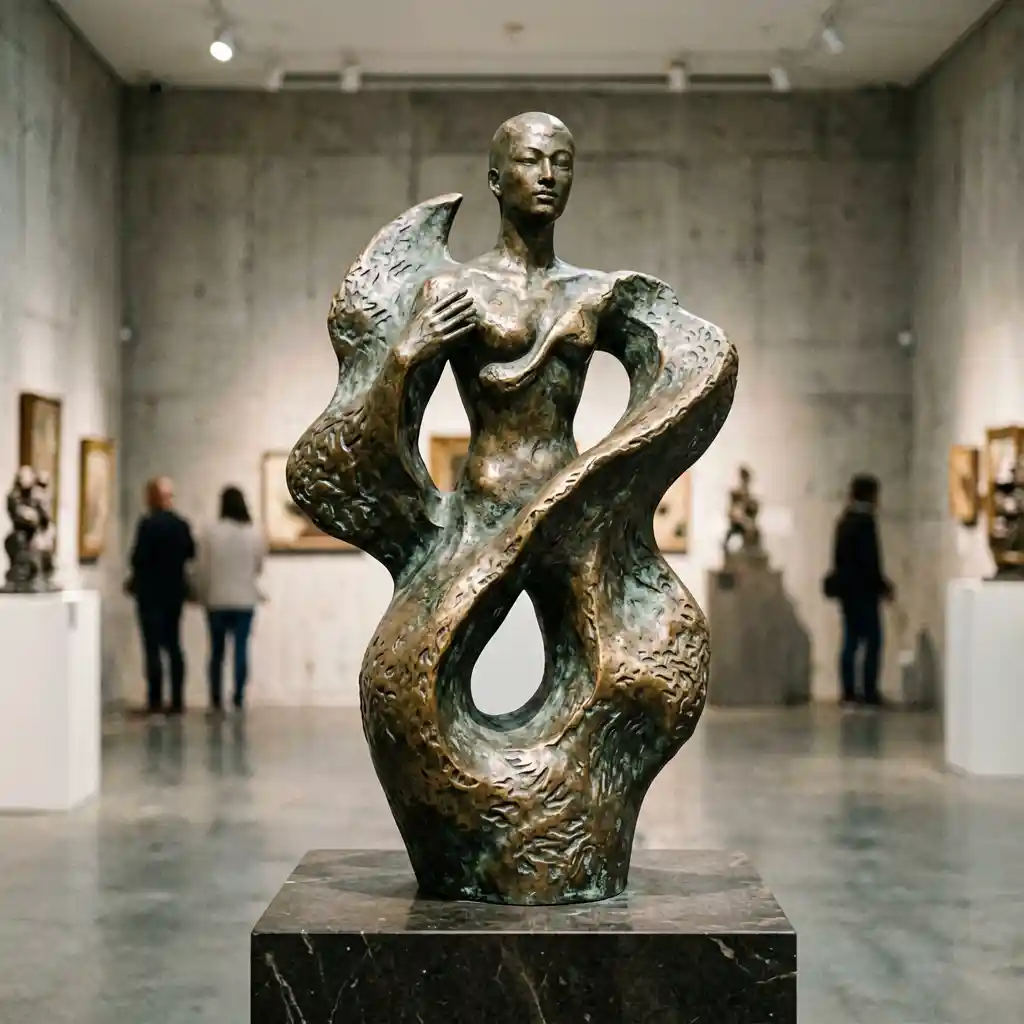
Commissioning a life-size bronze figure for a memorial — what should you know about anatomical accuracy? It is the single factor that separates a statue people pause before from one they walk past. Get the proportions right and the figure feels alive; get them wrong and even a flawless finish cannot save it. This guide walks through the standards, process, materials, and decisions behind an accurate human figure sculpture, whether for a memorial, a public square, or a private commission.
Anatomical sculpture rests on a foundation of classical proportion. The Canon of Polykleitos, developed in ancient Greece, established that the ideal human figure is roughly seven-and-a-half heads tall, with the navel dividing the body near the golden ratio. Modern anatomical references refine this with measured landmarks: the shoulders sit about two heads wide, the hands reach mid-thigh, and the elbow aligns with the navel. These ratios are the baseline that makes a realistic figure art piece read as human, and they anchor classical sculpture as the standard for memorial dignity.
Contemporary studios combine classical proportion with direct observation. Life drawing, skeletal reference, and photographic study ensure the underlying structure is correct before the surface details are added. In mass-produced figures, the most common errors are oversized heads, misplaced joints, and simplified hands and feet — shortcuts that read instantly as “off.” Accuracy matters because the viewer’s eye is trained on the human form from birth; any deviation is registered subconsciously as wrong.
For a memorial sculpture, accuracy is not aesthetic preference — it is emotional necessity. Families and communities look for a figure that honors a real person, and a distorted torso or misaligned stance undermines that intention. Professional studios therefore treat anatomical correctness as a non-negotiable stage, not an optional polish.
Every accurate figure sculpture begins with reference. The sculptor takes life drawings and measured reference photography of the subject, or works from anatomical casts and proportional charts when the subject is historical. This stage fixes the pose, the body type, and the unique character that distinguishes a portrait sculpture from a generic form.
The armature is the internal skeleton that carries the weight of the clay. Built from steel or aluminum, it must be engineered to support the final mass without flexing, mirroring the load path of real bone structure. From the armature, the sculptor builds the form in clay through progressive stages — first the overall mass, then the major muscle groups, then the fine detail of face and hands. Many studios now add 3D scanning at key checkpoints to verify symmetry and proportion against the digital reference, catching subtle errors before mold making begins.
Once the clay model is approved, the mold is taken and the piece is cast in the chosen material. The entire pipeline — from first sketch to finished bronze human statue — typically runs eight to sixteen weeks for a life-size figure, depending on detail and scale.
Material choice shapes both the look and the longevity of your figure. The table below compares the three most common options for human figure sculpture.
| Material | Detail Retentio | Weight | Durability | Best For |
|---|---|---|---|---|
| Bronze | Excellent | Heavy | Centuries outdoors | Traditional memorials, fine detail |
| FRP (fiberglass) | Good | Light | 10–20+ years with coating | Large-scale figures, cost control |
| Stone | Moderate | Very heavy | Permanent | Classical public works |
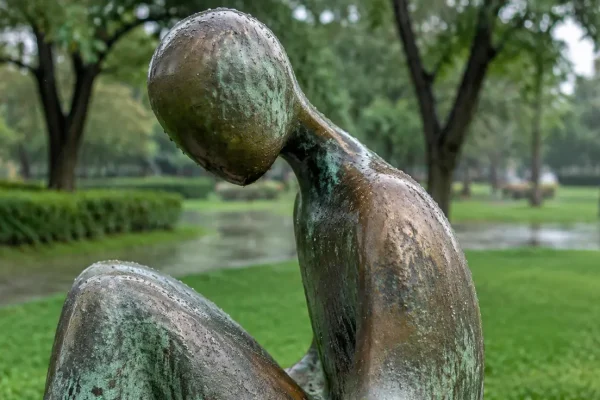
Bronze is the traditional choice for a custom human sculpture. It captures fine detail exceptionally well, patinas beautifully, and endures outdoor exposure for centuries, which is why it dominates memorial work. Its weight is a genuine consideration — a life-size figure can exceed 300 kilograms and needs a proper foundation.
FRP offers a lighter, more cost-effective route, especially for large-scale figures where bronze would be prohibitively expensive. A fiberglass figure can replicate complex anatomy at a fraction of the weight and roughly a third of the cost, and modern coatings protect it well outdoors. Stone conveys permanence and classical dignity, but the material limits fine undercutting, so faces and hands are often rendered more simply. Your choice should balance budget, scale, site conditions, and the level of anatomical detail you require.
Pose determines how a figure is read. A dynamic pose — mid-stride, reaching, turning — communicates energy and narrative, while a static pose conveys dignity and introspection, which is why most memorials favor the latter. The chosen stance must also be structurally sound; a figure leaning beyond its base requires internal support that affects the armature and casting.
Emotional expression is carried as much by posture as by facial features. A subtle tilt of the head, the set of the shoulders, or the tension in a hand all shape meaning in realistic figure art. Skilled sculptors study these cues to make a figure feel present rather than posed. Cultural sensitivity matters too — the representation of body type, gesture, and dress must respect the subject’s background and the community that will live with the piece.
Scale is judged against the viewer, not the model. A figure displayed in a public square must read clearly from distance, so proportions are often adjusted — heads and hands slightly enlarged — to compensate for perspective. The scale guidelines below reflect how figures are sized for different settings.
| Setting | Typical Scale | Viewing Distance | Proportion Notes |
|---|---|---|---|
| Interior / gallery | Life-size to 1.2× | 1–3 m | True anatomical proportio |
| Garden / courtyard | 1.2–1.5× life-size | 3–10 m | Slight head/hand enlargement |
| Public plaza / memorial | 1.5–2× life-size | 10–50 m | Strong perspective correctio |
The base or plinth is part of the proportion equation. Raising a figure changes its apparent scale and how it meets the eye, and the plinth must be designed so the figure’s lowest point reads cleanly against the horizon. Perspective correction for tall figures means the sculptor may deliberately lengthen the lower body so it appears correct from below.
The great figures of the canon show what accuracy achieves. Auguste Rodin’s The Thinker and Burghers of Calais pair anatomical realism with profound emotional expression, proving that a figure can be both technically exact and deeply human. The bronze figures of the U.S. Capitol and countless war memorials demonstrate how accurate, dignified representation carries public memory.
Across our own project gallery, human figure commissions range from memorial portraits to large-scale athletic figures, each built on the same discipline of proportion, anatomy, and expression. Browse our human figure projects to see how these principles apply to real commissions.
Before you commission, settle the essentials with your studio. Review the checklist below to keep your figure sculpture accurate and on-budget.
| Decisio | Key Questio | Why It Matters |
|---|---|---|
| Reference | Do we have photos, measurements, or casts of the subject? | Quality reference drives anatomical accuracy |
| Pose | Static or dynamic, and is it structurally sound? | Defines expression and engineering |
| Material | Bronze, FRP, or stone for your site and budget? | Balances detail, weight, and longevity |
| Scale | What viewing distance and plinth height? | Determines proportion correctio |
| Approvals | Clay model and 3D scan sign-off points? | Catches errors before casting |
| Aftercare | Coating and maintenance schedule? | Protects the finish for decades |
Anatomical accuracy is the foundation of every successful human figure sculpture. Pair a clear brief with a studio that treats proportion as a discipline, and you will get a piece that honors its subject for generations. If you are developing a figure with its own character, our original IP development service can take a concept from 2D to a full three-dimensional human figure.
For a deeper look at character-based work, our guide to IP character sculpture covers the companion process. Every serious figure art commission starts with a conversation about your subject, site, and budget. Ready to commission? Start the conversation with our team today.
David Chen is Design Director at Y Sculptures with 18+ years in large-scale sculpture design and fabrication. He specializes in FRP, stainless steel, and bronze sculpture engineering, overseeing design-to-production workflows for theme park attractions, public art installations, and brand IP mascots. David has personally directed over 300 custom sculpture projects for clients across 20+ countries.
Browse real projects matching this topic



Continue reading related articles
Explore our full range of custom sculpture services

Beyond 2D: Why IP Replication Drives Brand Engagement A character that lives only on a screen is easy to scroll...
Learn More →
Engineering Monumental Scale A sculpture that stands 15 metres tall is not simply a 1.5-metre maquette scaled up ten times....
Learn More →
From Concept to Icon Most sculpture enquiries begin with a reference: a licensed character, a film hero, an existing artwork...
Learn More →
One Factory, Every Sculpture Material A sculpture brief rarely arrives pre-sorted by material. A client sends a reference image, a...
Learn More →
Inflatable Sculptures as Brand Media Most sculptural commissions are permanent assets: they are built once, installed once, and admired for...
Learn More →
Custom FRP and fiberglass sculpture manufacturer - design, fabrication, and finishing.
Learn More →
Custom stainless steel, bronze, corten, and aluminum sculpture manufacturer.
Learn More →
Custom Theme Park Sculptures – Bringing Imagination to Life Theme parks, amusement parks, zoos, and entertainment destinations thrive on immersive...
Learn More →
Custom Commercial Sculptures – Elevate Your Brand & Space In today's competitive retail and commercial environment, first impressions matter. Commercial...
Learn More →