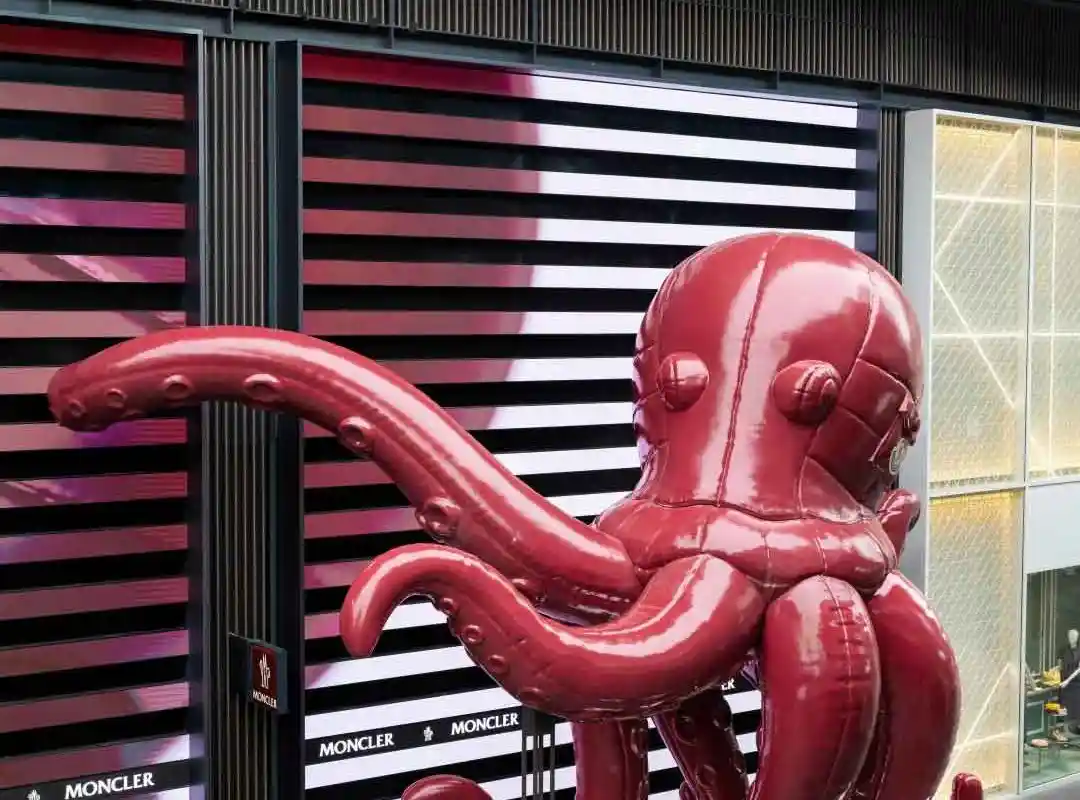
Giant Inflatable Octopus Art Installation
Inflatable Sculpture
1. Project Background
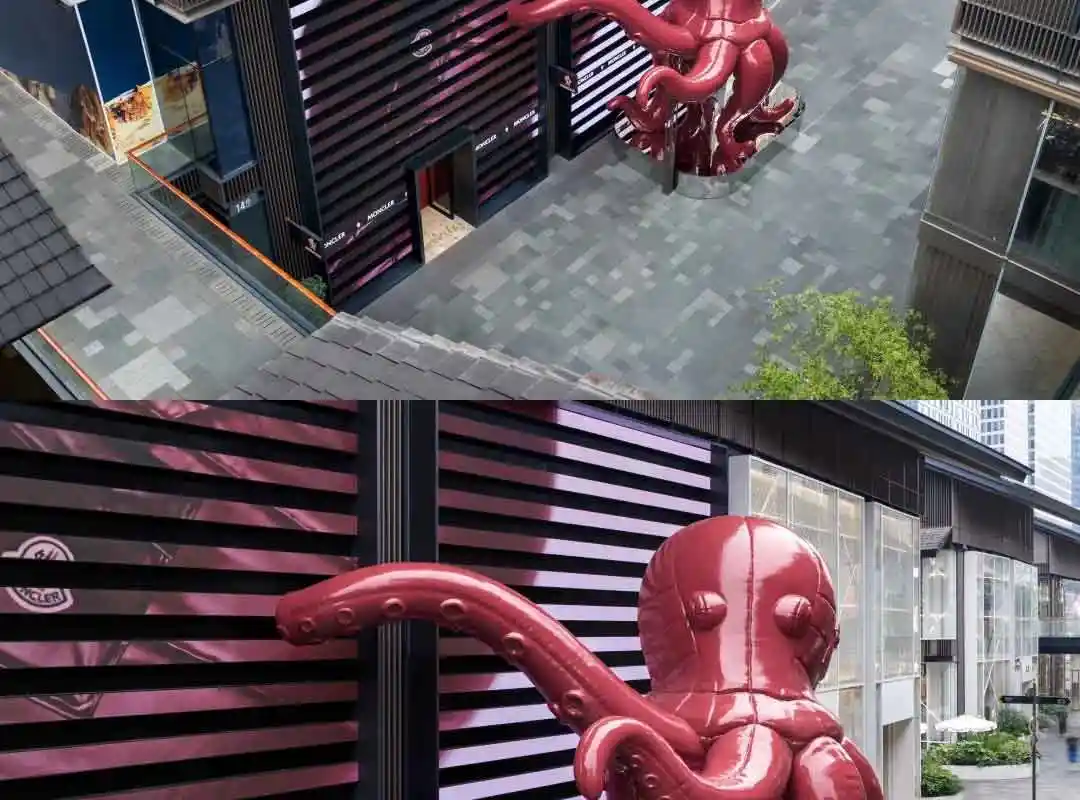
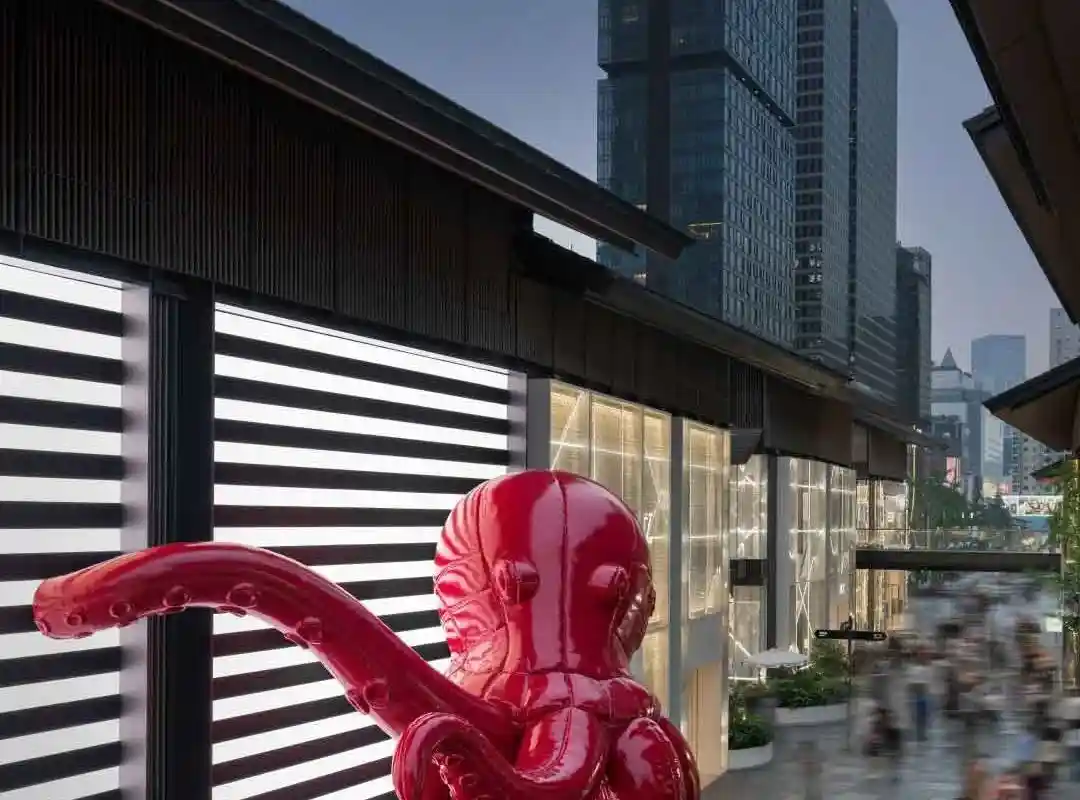
The “Giant Inflatable Octopus” is a bold, whimsical, and larger-than-life public art installation designed to instantly transform urban spaces. Combining a plump, glossy inflatable texture with a quirky and playful aesthetic, this installation breathes vibrant energy into its surroundings.
To elevate the visual experience, the sculpture integrates cutting-edge dynamic projection mapping (or internal LED programmable lighting) that illuminates the building’s exterior wall. This interplay of physical form and digital light creates a high-vibe, immersive spectacle, making it a landmark attraction, a social media magnet, and a celebration of modern interactive art.
2. Project Timeline (Total: 10 Weeks)
-
Weeks 1–2: Concept & Design Approval
-
3D modeling, texturing, and structural engineering review.
-
Projection mapping content storyboard development.
-
-
Weeks 3–6: Manufacturing & Testing
-
Fabric cutting, high-frequency welding, and printing.
-
Inflation testing, pressure checks, and dynamic light synchronization tests.
-
-
Weeks 7–8: Shipping & Logistics
-
Customs clearance and on-site delivery.
-
-
Week 9: On-site Installation & Calibration
-
Rigging, blower setup, and nighttime projection mapping alignment.
-
-
Week 10: Official Launch & Live Exhibition
3. Budget Estimate
Total Estimated Budget: $45,000 – $65,000 USD
Budget Breakdown:
-
Design & Engineering: $6,000
-
Inflatable Production (Materials & Blowers): $22,000
-
Lighting & Projection Equipment Rental/Setup: $15,000
-
Logistics, Installation & Rigging Crew: $12,000
-
Contingency (10%): $5,000
4. Materials & Technical Specifications
-
Main Body Material: Commercial-grade, UV-resistant, and flame-retardant 0.45mm PVC Tarpaulin or High-Density Oxford Cloth with a high-gloss coating to achieve the perfect “plump and glossy” texture.
-
Air Supply: 2x 1500W heavy-duty, low-noise continuous internal/external air blowers (CE/UL certified).
-
Illumination/Media:
-
High-lumen outdoor laser projectors (minimum 20,000 lumens) for exterior wall mapping.
-
Internal smart RGBW LED ribbon system for an ambient glow from within the sculpture.
-
-
Anchoring System: Multi-point heavy-duty D-ring tie-downs, steel wire ropes, and sandbags engineered to withstand winds up to 38 mph.
5. Dimensions
-
Height: 315 inches (~26.2 feet)
-
Width (Tentacle Span): 472 inches (~39.3 feet)
-
Depth: 354 inches (~29.5 feet)
-
Note: Dimensions can be slightly scaled based on the specific architectural constraints of the hosting building.
6. Engineering an Eight-Metre Inflatable
At 315 inches tall the octopus is beyond the scale where a simple blower-supported shell behaves predictably. Above roughly six metres the internal pressure required to hold a shape rises, the surface area carrying wind load grows disproportionately, and the fabric begins to stretch under sustained load. The design response is to divide the figure into pressure zones, so that the mantle, the head and the arms each hold their own shape rather than being dependent on one large volume.
Zoning also solves the visual problem that large inflatables share: a single chamber bulges where the load is greatest, so the clean line the artwork shows is lost in production. Internal baffles and tie-lines hold the silhouette against the pressure, which is what makes an eight-metre piece still read as an octopus rather than as a large balloon with appendages.
7. Internal Structure, Tentacles and Load Path
The arms are the structural problem. Each one is a separate chamber anchored back to the main body, and in an open pose they present as lever arms taking wind from any direction. Each arm is therefore baffled internally and reinforced at the shoulder joint where it meets the mantle, with the reinforcement sized to carry the arm’s own wind load plus the moment it applies to the body.
The body in turn is tied to a ballast system or a ground frame, depending on the site. Where the installation sits on a hard surface for an extended period — as a public art piece rather than a weekend display — the more durable arrangement is an internal frame or a netted harness rather than fabric tether points alone, because repeated tether loading is what stretches fabric over months.
8. Site Power, Anchoring and Wind Assessment
An installation at this scale needs its power planned as a piece of site infrastructure: dedicated supply of adequate rating, weather-protected enclosures for the blowers, and a distribution arrangement that survives an event crowd. Blower redundancy is standard on a commission of this value, since a deflating eight-metre octopus in a public square is both a safety matter and a considerable embarrassment.
The wind assessment has to be site-specific rather than generic. A plaza between tall buildings funnels and accelerates wind, and a rooftop or a corner site is a different case again. The operating wind limit is agreed from the structural design, written into the event documentation, and enforced by whoever is on site — an inflatable of this size should never be left standing on a forecast that exceeds it.
9. Event Operation and Long-Term Service
Running the piece through an event season means a routine rather than a repair list: pressure and blower checks at the start and end of each operating day, tether and ballast inspection after any significant wind, and a visual scan of the seams around the shoulder joints, which is where loading concentrates.
Between installations the figure is cleaned, dried and stored flat in a dedicated crate. For a piece at this value the annual service should include seam testing and a fabric strength check rather than just a visual inspection, because fabric degrades gradually and the failure that matters — a seam letting go under pressure — happens without warning.
Project Gallery