
Custom Sculpture Insights & Guides
How Custom Sculptures Are Made: From Concept to Installation in 10 Steps
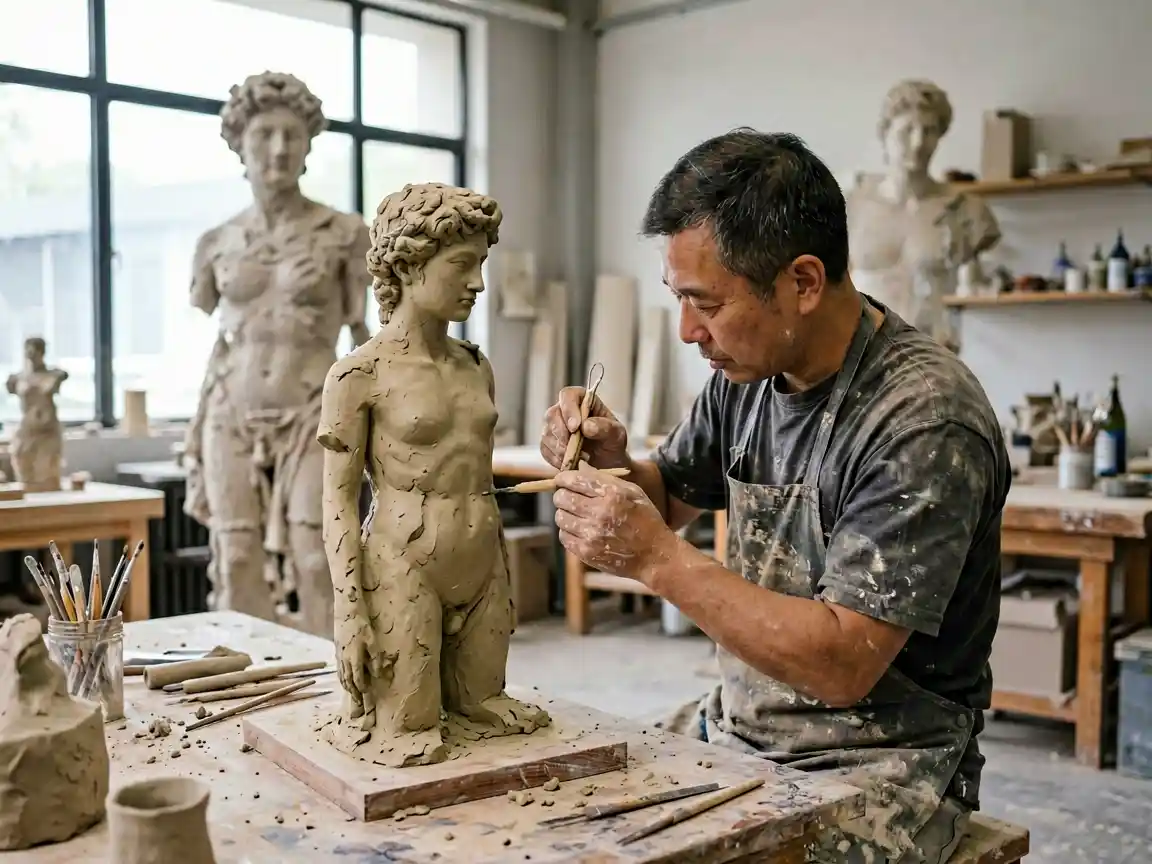
Custom sculptures transform visions into tangible works of art, but the journey from concept to finished installation is a complex, multi-stage process. Whether you are commissioning a monumental stainless steel landmark for a public plaza or a bronze centerpiece for a corporate lobby, understanding the custom sculpture making process helps you collaborate effectively with your manufacturer and achieve the best possible result.
At YSculptures, we have refined our sculpture fabrication process over thousands of projects. This step-by-step guide walks you through every stage, from your first idea to the moment your sculpture stands proudly at its final location.
Step 1: Initial Consultation and Brief
Every great sculpture begins with a conversation. During the initial consultation, you share your vision, goals, and practical requirements with the sculpture team. Key topics covered include:
- Purpose and context: Is the sculpture for branding, memorial, aesthetic enhancement, or public art?
- Location details: Indoor or outdoor? What are the environmental conditions (sunlight, moisture, temperature extremes)?
- Size and scale: Approximate dimensions and how the piece relates to its surroundings.
- Budget and timeline: Your investment level and desired completion date.
- Material preferences: Any early thoughts on stainless steel, bronze, FRP, or other materials.
This consultation establishes the foundation for the entire project. The more detail you provide, the more accurate the subsequent design and quotation will be.
Step 2: Concept Design and Sketching
Armed with your brief, the design team develops initial concept sketches. These hand-drawn or digitally created illustrations explore forms, silhouettes, and compositional approaches. At this stage, the team may present multiple directions so you can compare different artistic interpretations.
Concept sketches are typically low-commitment — they capture the spirit of the idea without locking in engineering details. This creative exploration phase is where the artistic vision truly takes shape.
Step 3: 3D Modeling and Digital Rendering
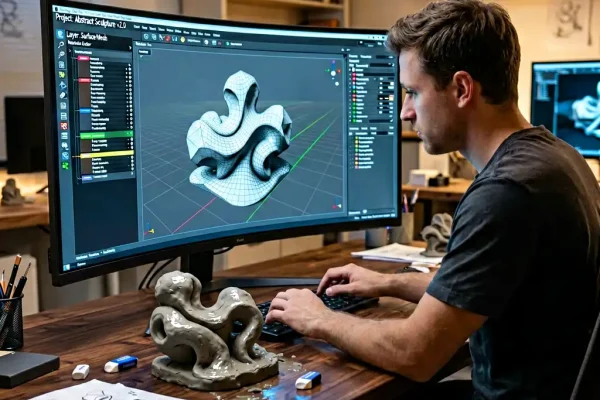
Once a concept direction is approved, the design moves into 3D modeling. Using professional CAD and sculpting software, the artist creates a detailed digital model of the sculpture. This model offers several critical advantages:
- Precise dimensions and proportions visible from every angle.
- Material volume calculations for accurate pricing.
- Structural analysis to ensure stability and safety.
- Photorealistic renderings showing the sculpture in its intended environment with accurate lighting and shadows.
The 3D model serves as the single source of truth for the entire fabrication process — every component and measurement is derived from this digital master.
Step 4: Client Review and Approval
Before fabrication begins, you review the 3D renderings and technical specifications. This is your opportunity to request adjustments to size, surface finish, color, or any detail. The review cycle continues until you are completely satisfied.
Many clients find this the most exciting milestone — seeing their concept rendered with photorealistic accuracy gives confidence that the final piece will match expectations. A formal approval sign-off is obtained before proceeding to production.
Step 5: Material Sourcing and Preparation
With the design finalized, the production team sources the required materials. Different materials demand different supply chains:
- Stainless steel: Sheet metal, tubes, and rods sourced in appropriate grades (304 or 316L for outdoor use).
- Bronze: High-quality ingots for lost-wax casting or fabricated plate.
- FRP (Fiberglass Reinforced Plastic): Resins, fiberglass matting, gel coats, and UV stabilizers.
- Corten steel: Weathering steel plates with specific alloy compositions.
All materials undergo incoming quality inspection to verify specifications, thickness, finish, and certification documentation. our stellar arbor led illuminated tree sculpture project
Step 6: Fabrication (Sculpting/Casting/Fabricating)
This is where the sculpture physically comes to life. The fabrication method depends on the chosen material and design complexity:
For metal sculptures (stainless steel, bronze, corten): Fabricators cut, weld, and shape metal components using plasma cutting, CNC routing, welding, and metal-forming techniques. Large sculptures are built in sections that will later be assembled on-site. The full fabrication workflow, including quality checks at each stage, is detailed in Custom Sculpture Manufacturing: 7-Step Process Guide.
For FRP sculptures: A mold is created from the 3D model, then fiberglass layers and resin are applied. The cured shell is demolded and prepared for finishing.
For bronze sculptures (lost-wax casting): A wax model is created, invested in ceramic shell, the wax is burned out, and molten bronze is poured into the cavity. The cooled casting is cleaned and chased.
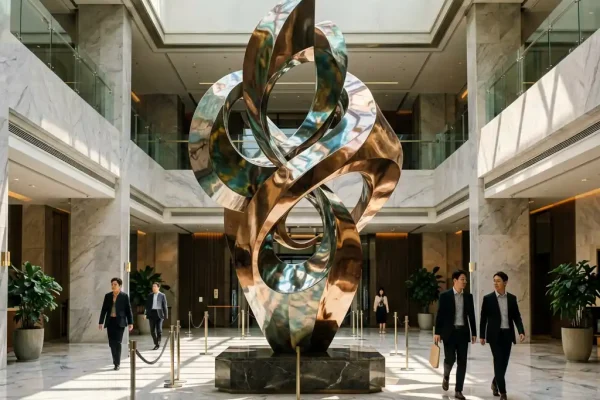
This step requires the most time and craftsmanship — it is where engineering precision meets artistic skill. our the chromium sentinel bringing public spaces to life project
Step 7: Surface Finishing and Patina
Surface treatment defines the final appearance and provides crucial protection. Techniques vary by material:
- Stainless steel: Mirror polishing, brushed satin finish, bead blasting, or PVD coating for color.
- Bronze: Chemical patinas (verdigris, brown, black, bronze) followed by wax or lacquer sealant.
- FRP: Gel coat application, automotive-grade paint, or metallic finishes with UV-resistant clear coats.
- Corten steel: Accelerated rusting process to create the stable patina layer, then sealing.
The finishing stage can take days or weeks depending on the complexity of the surface treatment and the desired aesthetic.
Step 8: Quality Control and Inspection
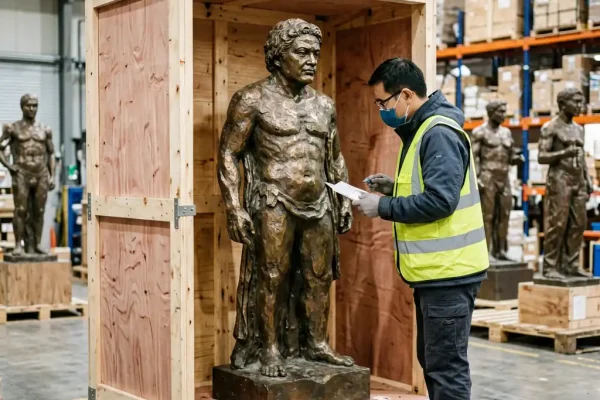
Before packing, every sculpture undergoes a rigorous quality control inspection. Our team checks:
- Structural integrity and weld quality
- Surface finish consistency and color accuracy
- Dimensional accuracy against the approved 3D model
- Stability and wind-load calculations (for outdoor pieces)
- Coating thickness and adhesion testing
A quality report is generated, and any issues are corrected before the sculpture is approved for shipment.
Step 9: Packing and Shipping
Custom sculptures require specialized packing to survive transit. Our packing process includes: our whimsical wildlife frp flocking elephant giraffe childrens zoo project
- Protective wrapping with foam, bubble wrap, and stretch film
- Custom wooden crates with interior bracing for large pieces
- Fragile labeling and handling instructions
- Insurance coverage for high-value shipments
We coordinate with trusted freight partners for domestic and international shipping, managing all logistics including customs documentation for cross-border deliveries.
Step 10: Site Installation
The final step is placing the sculpture at its permanent home. Our installation team handles:
- Site preparation (foundation pouring, anchor bolt placement)
- Crane or lifting equipment coordination
- On-site assembly of multi-piece sculptures
- Final positioning, leveling, and anchoring
- Touch-up finishing and cleaning after installation
A completed installation includes a final walkthrough with the client to ensure complete satisfaction.
Timeline Summary by Material
Project timelines vary significantly depending on material choice, size, and complexity. Below are typical lead times for custom sculptures:
| Material | Typical Timeline | Notes |
|---|---|---|
| FRP (Fiberglass) | 8–12 weeks | Faster mold-making; ideal for medium-to-large pieces |
| Stainless Steel | 12–16 weeks | Welding and polishing time; structural engineering |
| Bronze (Lost Wax) | 16–24 weeks | Casting, chasing, and patina are time-intensive |
| Corten Steel | 10–14 weeks | Fabrication similar to steel; less finishing time |
These timelines assume standard project complexity. Highly intricate designs or very large scale may require additional time.
Frequently Asked Questions
How long does it take to make a custom sculpture from start to finish?
Typical projects range from 8 to 24 weeks depending on the material and complexity. FRP sculptures are generally fastest (8–12 weeks), while bronze lost-wax casting can take 16–24 weeks. Your manufacturer will provide a detailed timeline after reviewing your design brief.
Do I need to provide detailed drawings to start the process?
No. Most manufacturers, including YSculptures, start with a concept brief and develop the design in-house. Rough sketches, reference images, or even a verbal description can be enough to begin the custom sculpture process. We walk through the complete fabrication process in our manufacturing guide: Custom Sculpture Turnkey Solutions: From Design to Worldwide Installation.
Can I make changes to the design after fabrication has started?
Changes are easiest during the concept and 3D modeling stages. Once fabrication begins, significant modifications may incur additional costs and timeline delays. We recommend thorough review and approval at the 3D rendering stage to avoid late-stage changes.
How are large sculptures transported and installed?
Large sculptures are typically fabricated in sections, carefully packed in custom crates, and shipped via flatbed truck or container. On-site assembly uses cranes or lifting equipment. Your manufacturer will coordinate the entire logistics chain, including any necessary permits for oversized loads.
What is included in the final installation service?
Installation services typically include site preparation, foundation work, sculpture placement and anchoring, on-site assembly if needed, final surface touch-ups, and a client walkthrough. Always confirm the scope of installation services with your manufacturer before signing a contract.
Ready to start your custom sculpture project? Contact YSculptures today for a free consultation and quote.
J
Written by James Liu
James Liu is Project Manager at Y Sculptures, specializing in end-to-end custom sculpture project delivery for commercial, hospitality, and public art sectors. With 12 years in the industry, James coordinates design approvals, material sourcing, fabrication timelines, international shipping logistics, and on-site installation. He has successfully delivered 500+ projects to 30+ countries.
Related Projects
Browse real projects matching this topic
Related Insights
Continue reading related articles
Custom Sculpture Insights & Guides
Jul 20, 2026
From Napkin Sketch to Finished Sculpture: A Factory Designer’s Full Process
Custom Sculpture Insights & Guides
Jul 20, 2026
Custom Sculpture Cost: Real Budget Breakdown From a Factory Insider
Custom Sculpture Insights & Guides
Jul 20, 2026
Sculpture Pre-Shipment QC: What We Actually Check Before It Ships
Our Sculpture Solutions
Explore our full range of custom sculpture services

IP Character Replication
Learn More →

Large Sculpture Custom
Learn More →

Original IP Development
Learn More →

Solutions Services
Learn More →

Custom Inflatables
Learn More →

FRP & Fiberglass Sculpture Manufacturing
Custom FRP and fiberglass sculpture manufacturer - design, fabrication, and finishing.
Learn More →
Stainless Steel & Metal Sculpture Manufacturing
Custom stainless steel, bronze, corten, and aluminum sculpture manufacturer.
Learn More →
Theme Park Sculpture Services – Custom Amusement Park Statues
Custom Theme Park Sculptures – Bringing Imagination to Life Theme parks, amusement parks, zoos, and entertainment destinations thrive on immersive...
Learn More →
Commercial Sculpture Services – Custom Brand Mascots & Mall Art
Custom Commercial Sculptures – Elevate Your Brand & Space In today's competitive retail and commercial environment, first impressions matter. Commercial...
Learn More →