Commercial

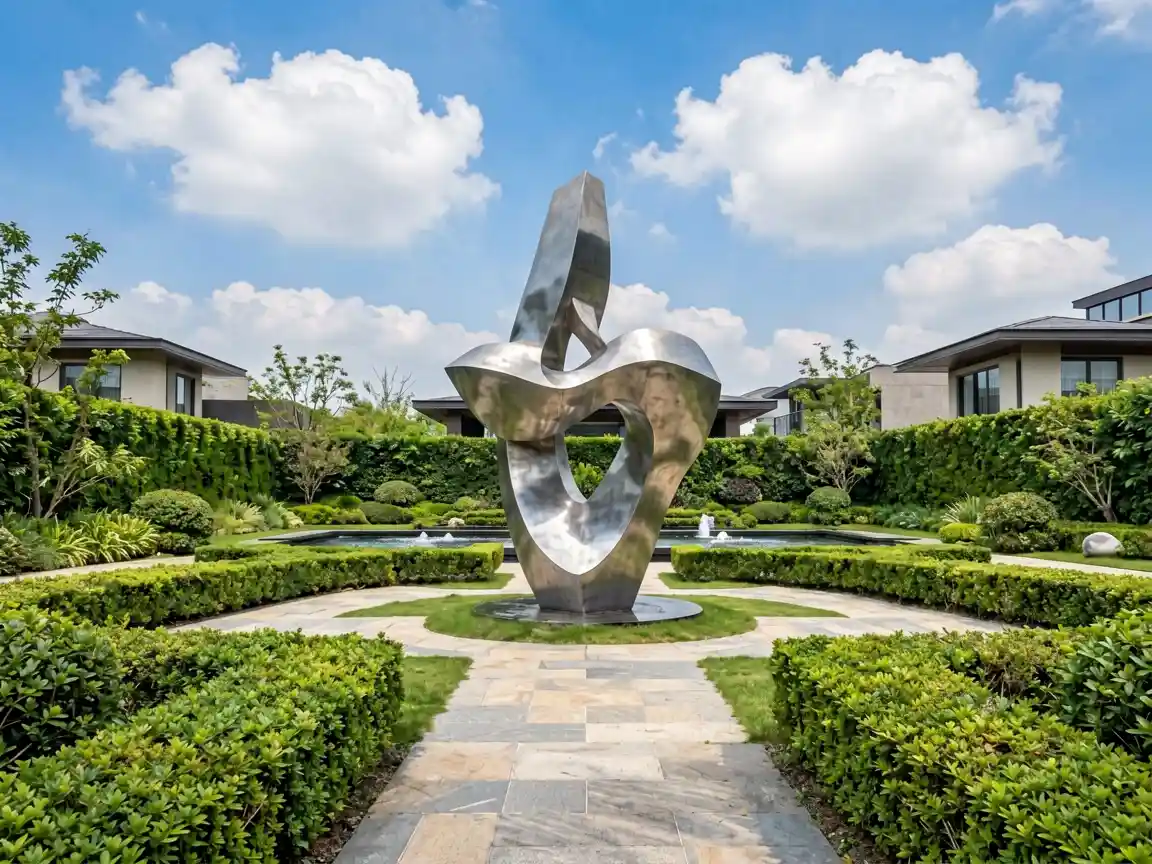
For sculpture manufacturers, few relationships are as valuable as those with landscape architects. These professionals specify the art, features, and site furnishings for parks, plazas, corporate campuses, streetscapes, and public spaces — projects that regularly include custom sculpture budgets ranging from thousands to hundreds of thousands of dollars. Yet many sculptors and manufacturers struggle to break into this channel, unsure how landscape architects select and specify art for their projects. For more detail on the production and engineering stages, read Custom Sculpture Manufacturing: 7-Step Process Guide.
This guide explains how landscape architects evaluate sculpture, what documentation they need from manufacturers, and how to position your work for specification in commercial landscape projects. Whether you produce abstract metal forms, interactive water features, or site-specific installations, understanding the landscape architect’s workflow is the key to landing larger, more consistent projects.
Landscape architects control the specification process for nearly all publicly accessible outdoor spaces. When a new park, corporate plaza, or mixed-use development is designed, the landscape architect selects every element — paving, planting, lighting, site furniture, and decorative features including sculpture. They are the gatekeepers between your workshop and the projects that can transform your business.
Unlike designing directly for private clients, working through landscape architects offers several advantages. Projects are larger in scope, budgets are more generous, and specifications often repeat across multiple phases or similar projects. A manufacturer who becomes a trusted specification resource for one landscape architecture firm may find their work featured in dozens of projects over several years.
Furthermore, specified products gain professional credibility. When a landscape architecture firm includes your sculpture in their specification library, it carries an implicit endorsement that opens doors to other firms and private clients alike.
Landscape architects follow a structured selection process. Understanding each phase helps you position your work at the right time with the right information.
During the concept design phase, the landscape architect develops the site narrative and identifies opportunities for sculptural elements. They may research manufacturers whose aesthetic and material expertise aligns with the project vision. This is when they are most open to discovering new artists and fabricators — but they need to see your work quickly and easily.
In the design development phase, specific pieces are shortlisted. The landscape architect now needs technical information: materials, dimensions, weight, anchoring requirements, and maintenance needs. Firms that cannot provide these details promptly are eliminated from consideration.
During construction documentatio
, the selected sculpture is specified in writing. The landscape architect produces detailed drawings, specifications, and budget allocations. Your ability to provide accurate technical data directly affects whether your piece is specified as a sole-source product or left open to competitive bidding.
Here is a comparison of how landscape architects typically evaluate sculpture manufacturers:
| Evaluation Criteria | Weight | What Firms Look For | What Eliminates You |
|---|---|---|---|
| Aesthetic Range | High | Versatile portfolio, multiple styles | Single niche style |
| Technical Documentatio | Critical | CAD files, load data, material specs | Photos only, no engineering data |
| Durability / Weathering | Critical | UV-stable, freeze-thaw rated, corrosion-proof | Indoor-only materials |
| Lead Time Reliability | High | Consistent 8-16 week delivery | Inconsistent timelines |
| Budget Transparency | Moderate | Clear pricing, tiered options | Vague or project-only pricing |
| Installation Support | Moderate | On-site supervision available | FOB-only delivery |
Landscape architects require specific technical documentation before they can specify your sculpture with confidence. Having these materials ready before they ask separates professional manufacturers from hobbyists.
CAD Files and BIM Models: Every specified element in a landscape project is documented in CAD or BIM software. Provide accurate 2D elevations, 3D models, and placement diagrams for your sculptures. Standard file formats (DWG, SKP, RVT, IFC) are expected.
Load Data and Structural Information: Landscape architects need to know dead load, wind load resistance, base plate dimensions, and anchoring requirements to coordinate with structural engineers. Provide certified load calculations and foundation recommendations for each piece.
Wind Load Specifications: For freestanding outdoor sculpture, wind load calculations are mandatory. These determine the foundation size and anchoring system required. Supply tested or engineer-certified wind load ratings for your standard pieces.
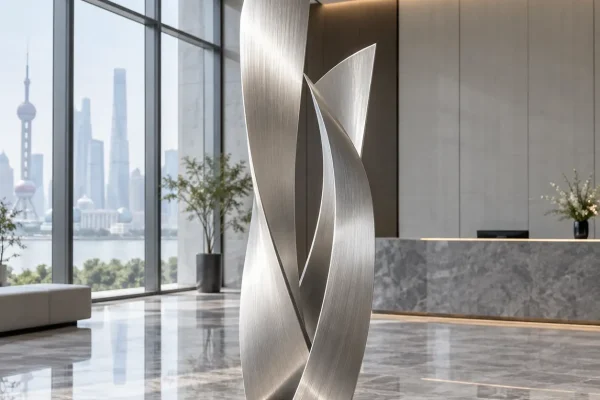
Maintenance Plans: Landscape architects and their clients need to understand long-term care requirements. Provide written maintenance schedules covering cleaning, finish inspection, fastener tightening, and any seasonal considerations. our the river of samsara project
Material Samples: Physical material samples are still important in landscape architecture. Maintain a library of finish samples, metal swatches, stone specimens, and color chips that can be shipped on request.
Warranty Information: Public projects often require warranties of 5-10 years. Be prepared to offer commercial-grade warranties covering material defects, finish degradation, and structural integrity.
Landscape architects maintain specification libraries of approved manufacturers and products. Being included in even a single firm’s library can generate steady specification requests. Here is how to get listed:
Attend industry events. The American Society of Landscape Architects (ASLA) holds annual conferences and local chapter events. Attend, exhibit, and network. Bring a portfolio book, sample chips, and a clear explanation of what you offer.
Submit a well-organized digital portfolio. Create a dedicated page on your website for landscape architects. Include downloadable technical sheets, CAD blocks, and specification templates. Make it easy for busy professionals to find what they need in under two minutes.
Offer CEU presentations. Landscape architects earn continuing education units (CEUs) to maintain licensure. Develop a presentation on sculpture materials, installation techniques, or design integration that qualifies for CEU credit. Firms will welcome you as a presenter, and you will build relationships naturally.
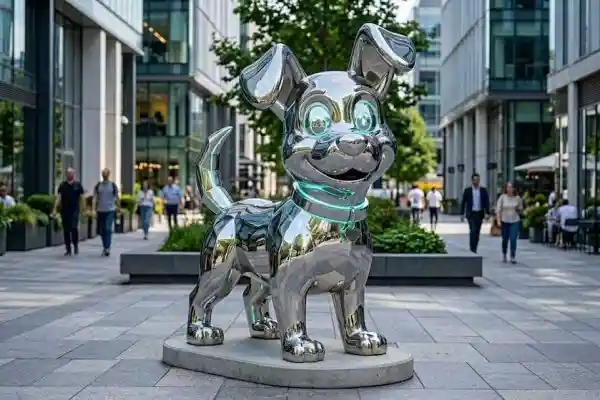
Build relationships one firm at a time. Rather than mass-mailing catalogs, identify the top 10 landscape architecture firms in your region. Research their project types, meet their principals, and tailor your offering to their style and client base. our dynamic geometric deer project
Develop a specification template. Provide a ready-made specification document that landscape architects can drop into their project manuals. Cover materials, fabrication standards, installation requirements, and warranty terms in CSI MasterFormat style.
Real projects demonstrate what is possible when sculpture manufacturers and landscape architects work together effectively.
The Tidal Crest public art installation involved a multi-element sculptural composition for a coastal park. Working with the landscape architect from the concept phase, we developed stainless steel forms that reference ocean waves and tidal patterns. The project required extensive wind load documentation and salt-spray corrosion specifications. The result is a landmark installation that has become the park’s defining feature.
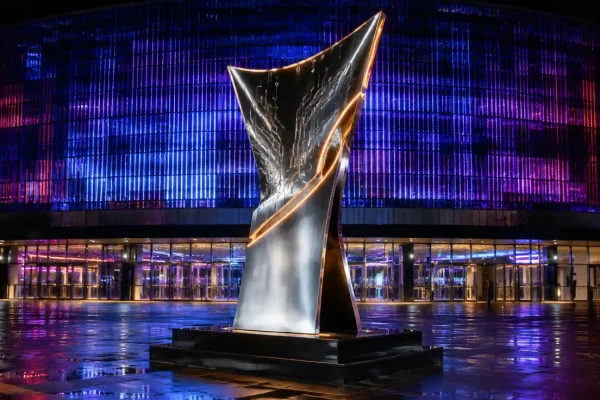
The Sky Breach theme park sculpture demonstrates the scale possible through landscape architecture specification. This large-scale installation required coordinated foundation engineering, crowd flow analysis, and integration with the site’s lighting and planting plans. By providing complete technical documentation early, we enabled the landscape architect to specify our work as a sole-source installation, eliminating competitive bidding and protecting project margins.
Many talented sculptors and manufacturers struggle to build relationships with landscape architects because of avoidable mistakes:
Leading with aesthetics, not technicals. Your sculpture must be beautiful, but landscape architects need to know it will survive outdoors, meet code requirements, and fit their construction timeline. Lead your presentation with both aesthetic and technical information.
Not understanding project timelines. Landscape architects work on tight schedules. If you promise a 6-week lead time but deliver in 12, you will never be specified again. Be honest about your capabilities and build buffer into every timeline.
Ignoring budget constraints. Public and commercial landscape projects have fixed budgets. Offering multiple versions of a design at different price points increases your chances of being specified. A $100,000 sculpture that could be adapted as a $40,000 version is more versatile than a single expensive piece.
Failing to follow up. Landscape architects are busy and may set your materials aside. Follow up professionally after 2-3 weeks. Offer to present your work to their team. Persistence within reason builds recognition.
Overlooking maintenance documentation. Public agencies and commercial clients require detailed maintenance plans. Provide them as part of your standard package, not as an afterthought requested during construction documentation.
Landscape architecture projects span a wide budget range depending on scale, materials, and site complexity. Smaller garden-scale sculptures and wayfinding markers typically start around $5,000. Mid-size installations for parks, corporate campuses, and streetscapes range from $15,000 to $45,000. Large-scale signature pieces for plazas, civic spaces, and destination parks range from $50,000 to $120,000+.
Budgets for landscape-specified sculpture typically include design development, engineering, fabrication, delivery, site installation, and a one-year maintenance period. Be prepared to break down your pricing by phase for inclusion in project budgets. Our manufacturing guide — How Custom Sculptures Are Made: From Concept to Installation in 10 Steps — covers everything from mold-making to final finishing.
To explore how your upcoming landscape project could include custom sculpture, browse our project portfolio or contact our team for a consultation.
Most landscape sculpture projects require 10-20 weeks from design approval to installation. Large-scale or complex pieces with foundation work and site integration may require 16-24 weeks. We recommend engaging a sculpture manufacturer during the design development phase to ensure timelines align.
Yes. Every outdoor sculpture we produce includes certified structural calculations, wind load data, and foundation recommendations. These documents are provided in formats compatible with landscape architects’ construction documentation workflows.
Often yes. Many of our standard designs can be modified in scale, materials, or finish to meet project-specific requirements. We also create entirely custom pieces when the project vision demands something unique.
Contact us through our inquiry form and mention that you are a landscape architecture firm. We will provide a specification package including technical data sheets, CAD files, material samples, and warranty documentation tailored to your firm’s needs.
James Liu is Project Manager at Y Sculptures, specializing in end-to-end custom sculpture project delivery for commercial, hospitality, and public art sectors. With 12 years in the industry, James coordinates design approvals, material sourcing, fabrication timelines, international shipping logistics, and on-site installation. He has successfully delivered 500+ projects to 30+ countries.
Browse real projects matching this topic




Continue reading related articles
Explore our full range of custom sculpture services

Beyond 2D: Why IP Replication Drives Brand Engagement A character that lives only on a screen is easy to scroll...
Learn More →
Engineering Monumental Scale A sculpture that stands 15 metres tall is not simply a 1.5-metre maquette scaled up ten times....
Learn More →
From Concept to Icon Most sculpture enquiries begin with a reference: a licensed character, a film hero, an existing artwork...
Learn More →
One Factory, Every Sculpture Material A sculpture brief rarely arrives pre-sorted by material. A client sends a reference image, a...
Learn More →
Inflatable Sculptures as Brand Media Most sculptural commissions are permanent assets: they are built once, installed once, and admired for...
Learn More →
Custom FRP and fiberglass sculpture manufacturer - design, fabrication, and finishing.
Learn More →
Custom stainless steel, bronze, corten, and aluminum sculpture manufacturer.
Learn More →
Custom Theme Park Sculptures – Bringing Imagination to Life Theme parks, amusement parks, zoos, and entertainment destinations thrive on immersive...
Learn More →
Custom Commercial Sculptures – Elevate Your Brand & Space In today's competitive retail and commercial environment, first impressions matter. Commercial...
Learn More →