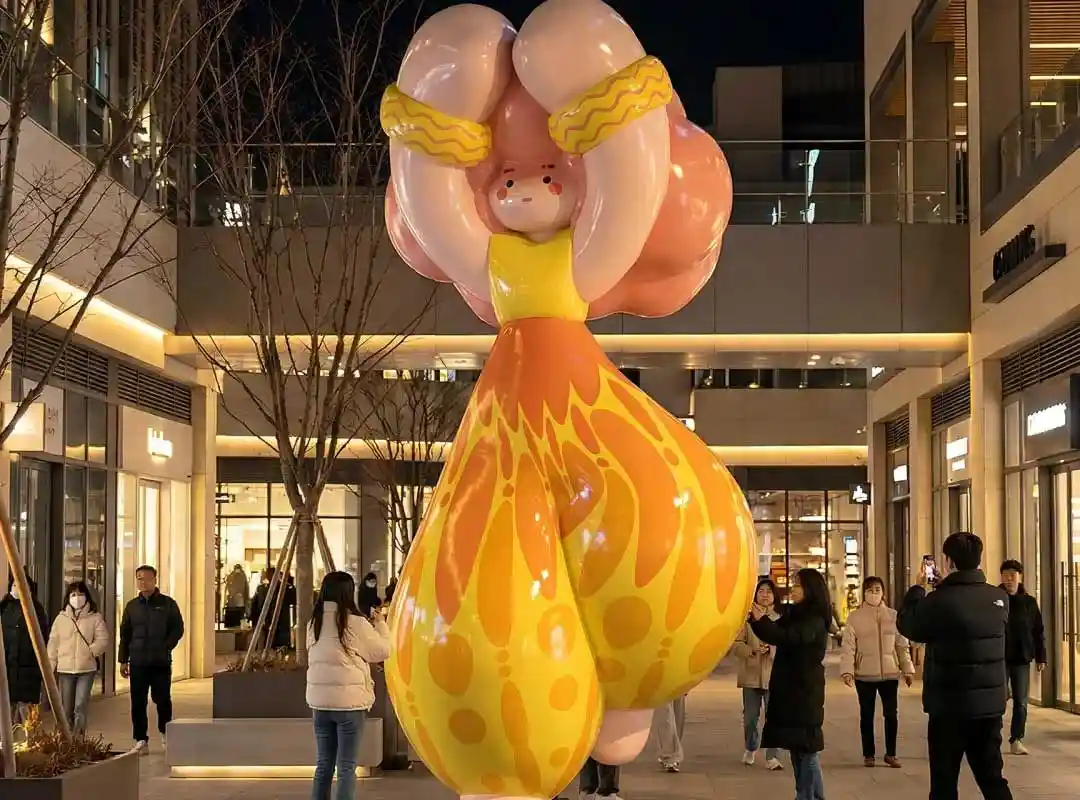
Serene Stretch – The Zen Yoga Girl IP Installation
IP Sculpture
1. Project Background
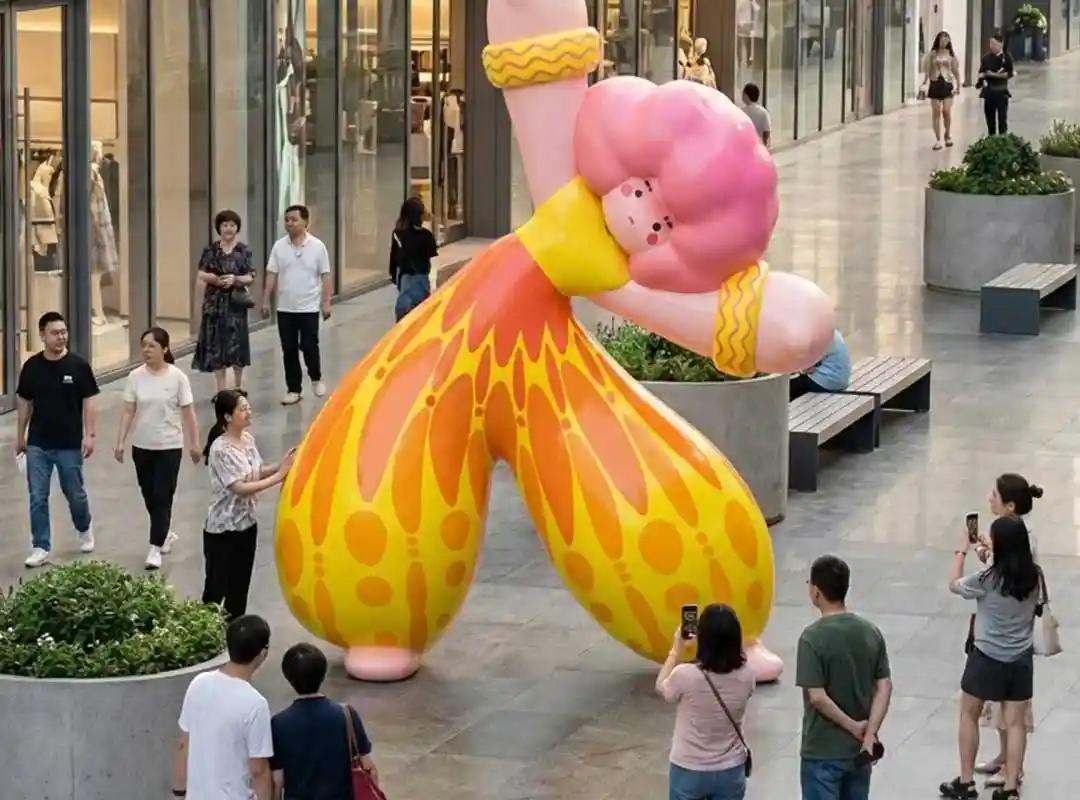
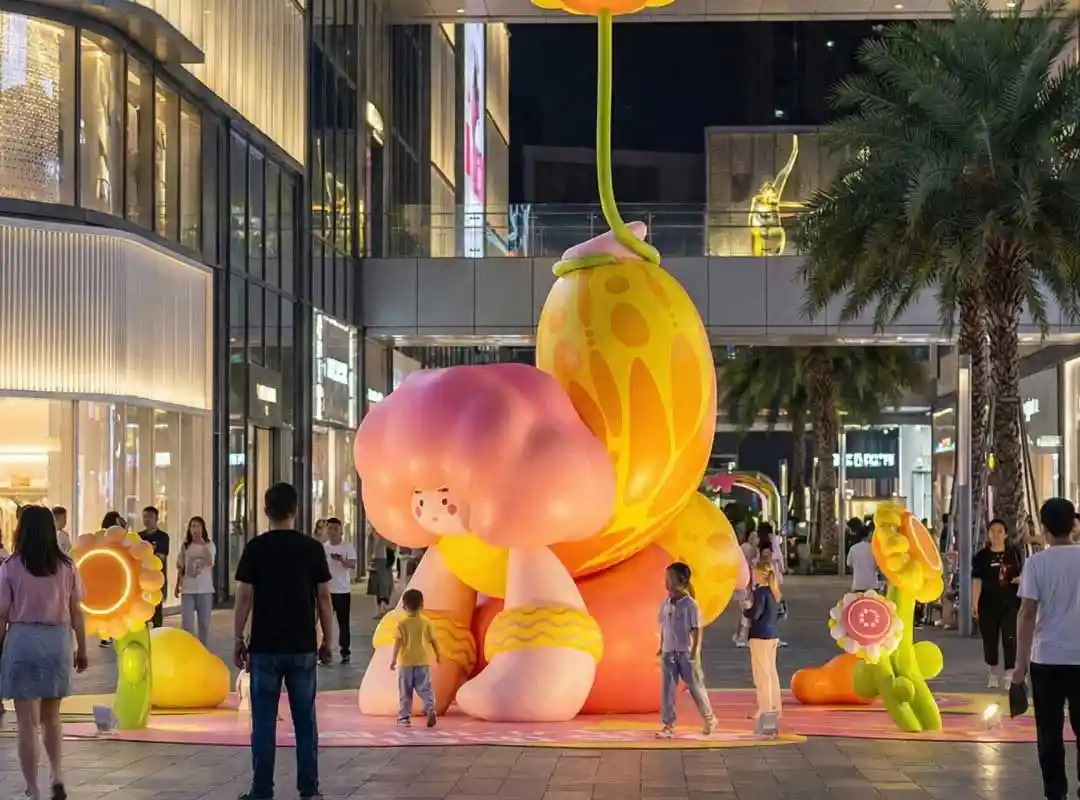
In the fast-paced rhythm of modern urban life, commercial spaces are shifting from mere shopping destinations to emotional sanctuaries. The “Serene Stretch” sculpture series introduces a vibrant, yoga-inspired female IP designed to breathe life, wellness, and aesthetic healing into the environment.
Every fluid line of the sculpture captures a sense of extension and inner peace. As the youthful figure gently extends her limbs, she embodies an unhurried, graceful, and self-assured presence. This installation represents more than just a physical stretch—it is a visual release for the soul, marking a gentle yet profound collision between contemporary art and the spirit of yoga. It serves as an inviting landmark that encourages visitors to slow down, breathe, and find tranquility within the commercial bustle.
2. Project Details
-
Project Timeline: 12 Weeks (from concept finalization, structural engineering, fabrication, to overseas shipping and on-site installation)
-
Project Budget: $85,000 USD (Inclusive of artist licensing, premium fiberglass/stainless steel fabrication, custom automotive-grade paint finish, crating, and international logistics)
3. Sculpture Dimensions
To ensure a commanding yet elegant presence in a high-ceiling atrium or outdoor plaza, the dimensions are scaled as follows:
| Dimension Metric | Measurement (Inches) | Notes |
| Height | 118″ | Approx. 9.8 feet; optimized for visual impact and photo-ops |
| Width | 71″ | Accommodates the elegant lateral extension of the yoga pose |
| Depth | 55″ | Ensures structural stability and a dynamic 360-degree viewing profile |
Note on Materials: The sculpture will utilize a reinforced internal steel skeleton with a high-density fiberglass exterior, finished with a UV-resistant, matte-pastel coating to evoke a soft, healing, and premium tactile feel.
4. Sculpting Anatomy in a Stretch Pose
A stretch pose is unforgiving in a way that a static standing figure is not. The elongated lines of the arms and the torso mean any error in proportion is amplified along the whole silhouette, and there is no clothing mass to hide behind. The maquette is therefore worked at a quarter scale and reviewed against the client’s intended viewing distance before it is enlarged — a figure that reads well at arm’s length can go thin and illegible at three metres.
The enlargement is worked in clay over a full-size armature, with the pelvis and ribcage modelled as two distinct volumes that rotate against each other. That is what gives the pose its tension; a single fused torso block always reads as stiff, however accurate the limb positions are.
5. Structural Design for a Slender Silhouette
Slender figures are the hardest FRP builds to engineer, because the visually necessary thinness of the wrists and ankles is exactly where the structure wants to be thickest. The solution is a steel core that follows the centreline of each limb and a laminate that is graded along its length — thicker through the forearm and calf, thin at the extremities — so the visible silhouette stays slim while the load path remains continuous.
The finished figure sits in a commercial interior, so the governing load case is contact rather than wind. An arm that a visitor can hang from has to be treated as a cantilever with a live load, not as decoration; that assumption is what determines the frame size at the shoulder, and it is the item most often cut in value engineering that later comes back as a crack.
6. Installation in a Commercial Setting
Installation inside an operating commercial building is scheduled around the building rather than the sculpture. Delivery is usually overnight or before opening, the pieces arrive crated in sections that can be taken up a service lift, and final bonding and finish touch-up is done before the space is handed back to the tenant. Everything that needs a spray booth happens in the factory, because no landlord will accept overspray in a finished atrium.
The base detail is set at design stage rather than on site. Where the floor can be drilled, a concealed plate takes the anchors; where it cannot, a ballasted plinth is built to suit the load and the piece is located so that the plinth reads as part of the installation rather than a compromise.
7. Long-Term Appearance
Indoor FRP has an easy life compared with exterior work, but two things still change it: cleaning chemicals and light. A pH-neutral cleaner keeps the finish intact, and the piece should be positioned so that it does not sit in the direct beam of a high-output spotlight, which over years will bleach one face of a coloured figure unevenly.
The annual check is short: fixings at the base, the junction between any bonded sections, and the contact points where visitors touch. Everything else on an indoor figure at this scale is genuinely maintenance-free, which is one of the reasons FRP is the right answer for a commercial interior rather than bronze or stone.
Project Gallery