Panda Mascot – Trendy Art IP Sculptural Realization
IP Sculpture
Project Specifications
-
Project Timeline: 6 – 8 weeks (including 3D scanning, foam prototyping, fiberglass fabrication, and hand-finishing)
-
Budget: $15,000 – $22,000 USD (Estimated based on premium fiberglass fabrication, custom laser engraving, and specialized anti-fingerprint coatings)
-
Sculpture Dimensions:
Height: 71 inches (approx. 1.8 meters)
Width/Depth: Approx. 35–40 inches (proportional to the 1:1 upscaled trendy toy IP)
Project Background
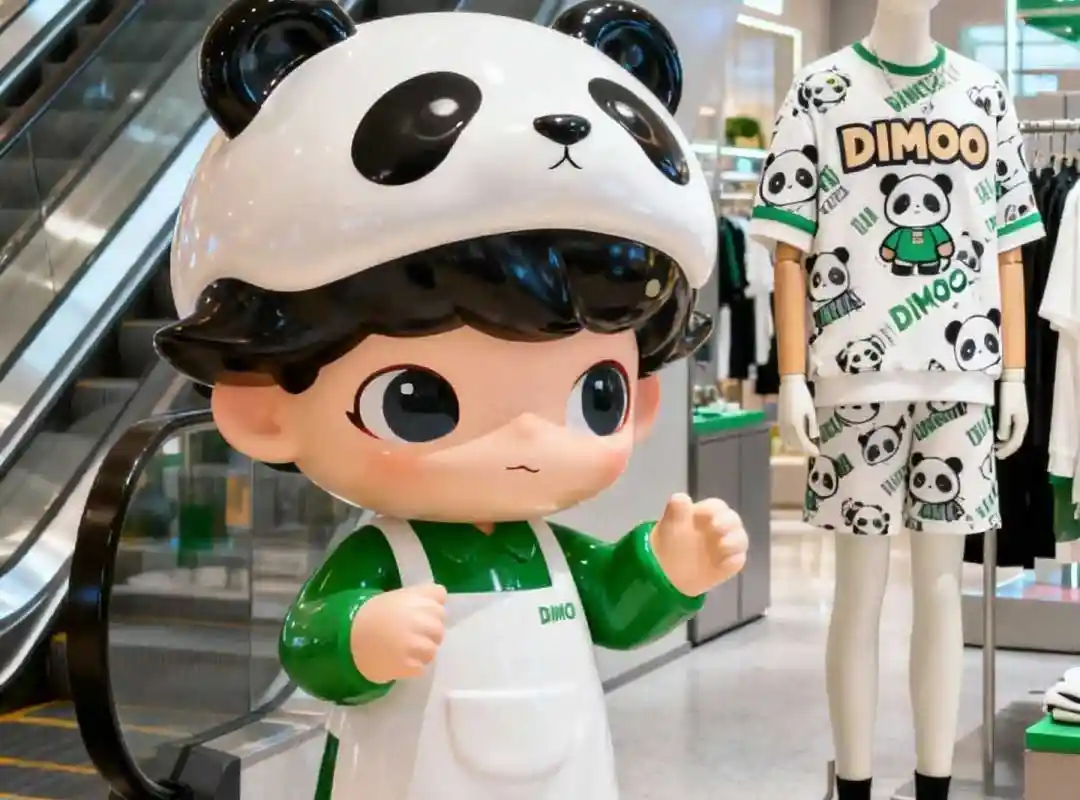
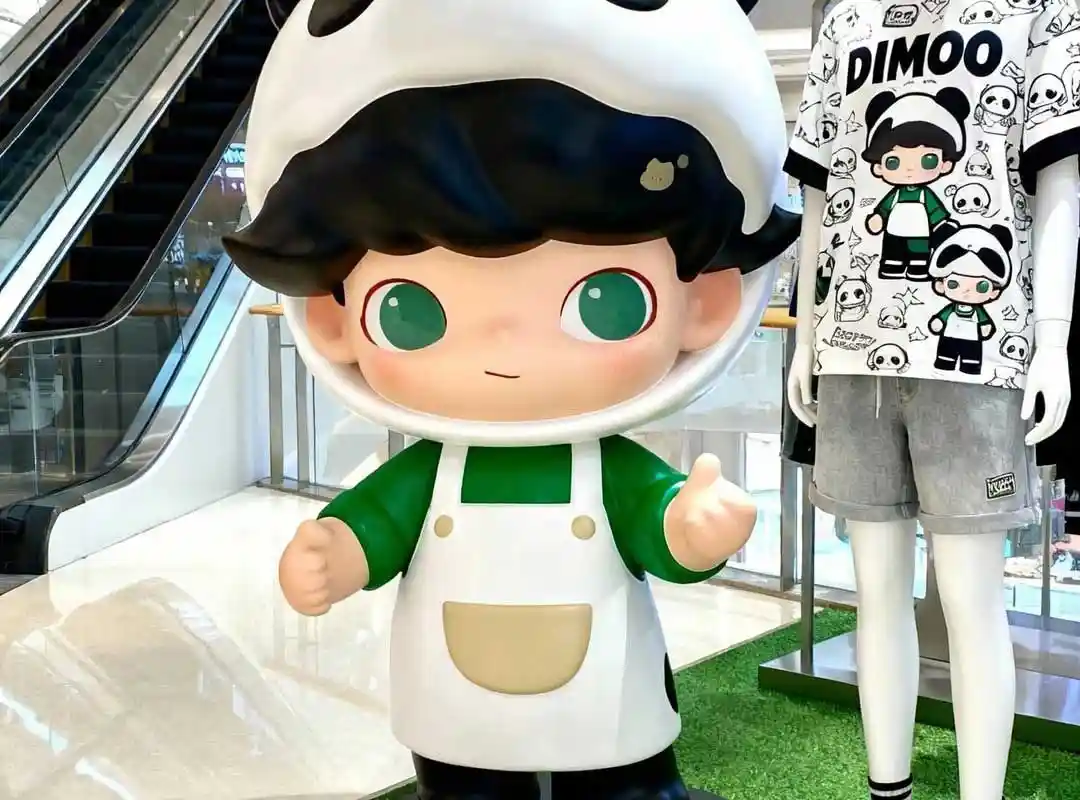
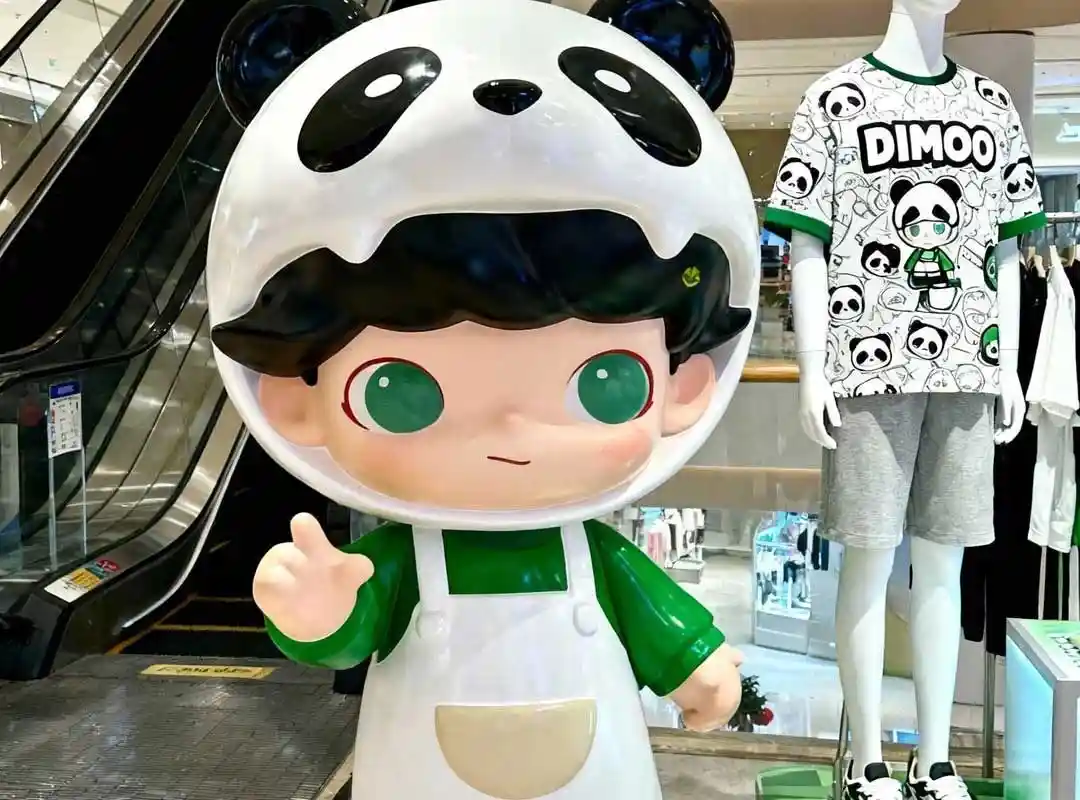
This project centers on the precise, large-scale physical realization of a popular “Trendy Art” (Chaowan) designer toy IP. The primary goal is to transition the beloved collectible from a desktop figure into a striking, 71-inch premium retail centerpiece.
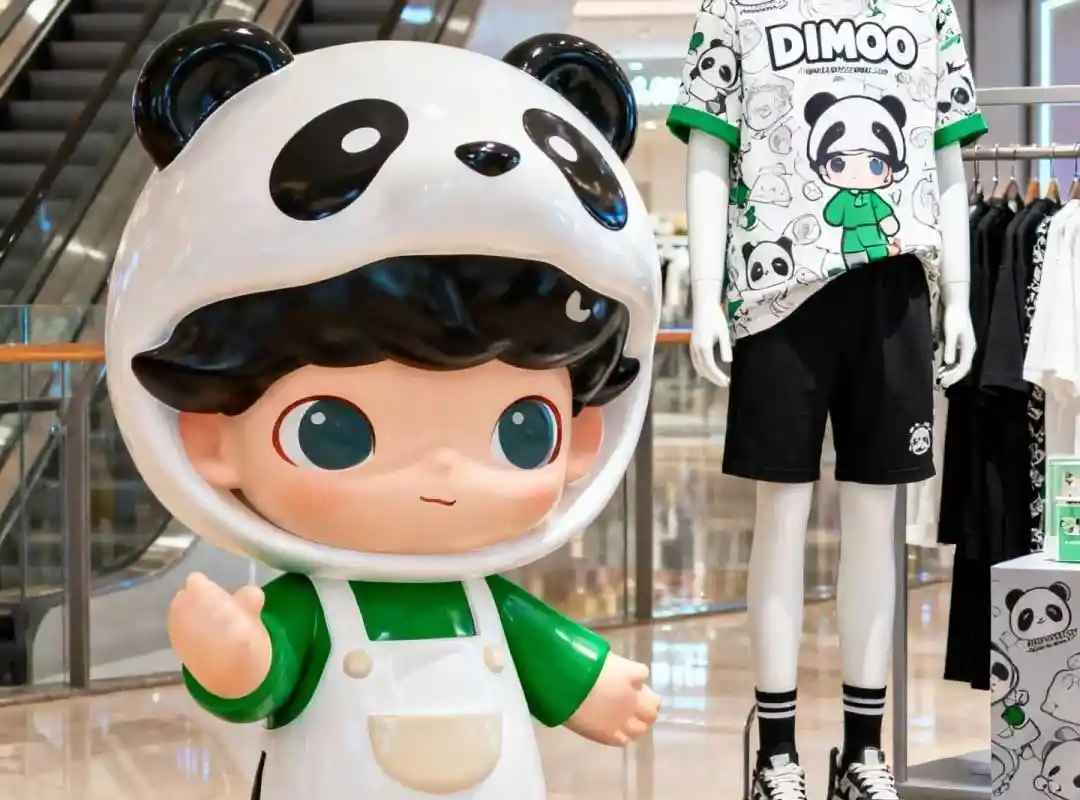
To ensure absolute fidelity to the original design and maintain authenticity for dedicated fans, the production process utilizes advanced 3D scanning of the original figure. This data is upscaled and meticulously refined using physical foam prototypes. Every signature feature—from the perfectly rounded curves of the panda headpiece and the translucent depth of the green eyes, to the specific folds of the apron—is repeatedly adjusted. Special attention is given to the layered effect of the headpiece partially obscuring the character’s black hair, while laser engraving and color-filling techniques guarantee that all typography aligns perfectly with the IP’s official visual identity.
Engineered specifically for high-traffic commercial environments, the sculpture is crafted from high-grade fiberglass with distinct surface finishes. The black and white sections of the panda headpiece feature a high-gloss baked paint to replicate the polished sheen of designer vinyl toys. The soft pink skin tones and vibrant green sleeves are mixed precisely according to the original IP color palette, finished with an advanced anti-fingerprint coating to withstand frequent public touching. Additionally, the stylized “melting” effect along the edges of the headpiece is meticulously hand-sanded and spray-painted with a smooth gradient to enhance its cute, whimsical aesthetic.
Strategically optimized for retail engagement, the sculpture stands at an ideal height of 71 inches to align perfectly with the visual field of apparel store mannequins. This creates a cohesive, immersive shopping experience where the panda IP seamlessly complements the adjacent printed streetwear collection. Under shopping mall lighting, the high-gloss finishes create a vibrant, eye-catching reflection, transforming the sculpture into a major social media photo-spot (photo anchor) that drives foot traffic and increases customer dwell time.
3D Scanning & Foam Prototyping
The panda is a good example of why scanning is worth the money on an IP figure. A hand-sculpted enlargement of a 2D character drifts: the head gains volume, the eyes move, and by the time the piece is at 71 inches it no longer matches the artwork the brand approved. Scanning the reference — or scanning the approved maquette — gives a digital master that can be scaled precisely and sectioned for CNC foam cutting.
Cutting the form in foam and then tooling it by hand gives two things: geometric accuracy from the machine, and the surface life that only a person can put into a face. The foam pattern is then sealed and used directly as the mould plug, which avoids a second clay stage and shortens the schedule without losing fidelity.
Hand Finishing & the Matte-Gloss Balance
Trendy art pieces live or die on surface. The panda reads as soft because the black fur zones are finished slightly matt and the eye and nose details are brought up to a gloss, and that contrast does more for the perceived quality than any amount of extra modelling. The clear coat is applied in stages, with the matting agent mixed per zone rather than sprayed uniformly over the whole figure.
Hand-finishing also gives the option of a deliberately imperfect surface texture — subtle tool marks or a fine stipple — that makes a manufactured figure look handmade. On a character intended as an art object rather than a mascot, that is worth specifying at the outset, because it cannot be added convincingly after the clear coat.
Freight, Handling & Site Access
At this height and an estimated 40 to 60 kg finished weight, the panda ships as a single piece in a purpose-built crate with foam cradles at the head and hips. The practical question is not the weight but the doorway: a 71-inch figure moving through a service entrance or a mall corridor needs a diagonal clearance check before the crate is built, not after it arrives.
The base plate is supplied with a drilling template so that any anchor holes in the floor can be prepared ahead of the delivery window. Where the client cannot drill at all — a leased retail unit, for example — a weighted plinth with an internal ballast compartment solves the same problem without touching the landlord’s floor.
Outdoor Durability and Fading
If the piece is going outdoors, the spec has to change: UV-stable gel coat under the paint, a heavier laminate, and a clear coat rated for exterior exposure. Strong colour blocks — a panda is mostly contrast rather than hue, which helps — will hold well, but any saturated accent colour is the part to watch and to check against the spray-out panel a year in.
The maintenance routine outdoors is a seasonal wash and an annual fastener check. The two things that actually reduce service life are standing water collecting in a hollow of the moulding, and a base fixing that has worked loose enough to let the figure rock. Both are cheap to fix early and expensive to fix late.
Project Gallery