
Custom Sculpture Insights & Guides
Rush Job vs. Fine Craft: Balancing Lead Time and Quality in Custom Sculptures
“Can you make it faster?” — it’s the one question that comes up in every custom sculpture project. But speeding things up almost always means compromising somewhere. This article uses real production data from Y Sculptures to quantify the trade-off between lead time and quality, so you can make smarter decisions. For more detail on the production and engineering stages, read Custom Sculpture Manufacturing: 7-Step Process Guide.
Standard Timeline vs. Rush Timeline
| Production Stage | Standard Timeline | Rush Timeline | Impact of Rush on Quality |
|---|---|---|---|
| 3D Modeling | 5-7 Days | 2-3 Days | 10-15% fewer details |
| Mold Making | 7-10 Days | 3-5 Days | Lower mold precision, more post-finishing needed |
| Lay-Up & Casting | 3-5 Days | 2-3 Days | Shorter curing time, slight reduction in strength |
| Sanding & Finishing | 5-7 Days | 2-3 Days | Surface smoothness drops 20-30% |
| Primer + Topcoat | 5-7 Days (each layer cures naturally) | 2-3 Days (forced drying) | Paint adhesion decreases ~10% |
| Total (2m FRP Sculpture) | 4-6 Weeks | 2-3 Weeks | Overall quality reduction of 15-20% |
| Rush Premium | Baseline | ¥3,000-10,000 | Depends on acceleration level |
What a Tight Timeline Costs You
When a project gets compressed from 6 weeks to 3, here’s what takes the hit:
- Modeling: A standard project gets 7 days of detailed modeling. Compressing that to 3 days means dropping secondary details.
- Molds: Silicone molds need proper curing time — you can’t rush it much. Fast demolding risks deformation.
- Coating: Each paint layer needs full drying (24 hours standard). Forced drying (2-4 hours in an oven) reduces film performance.
Y Sculptures’ standard process schedules every project with adequate curing time built in. But for urgent jobs, we also have a well-established “rush channel” workflow.
How to Protect Quality When You’re in a Hurry
- Front-load decisions: Lock down all design approvals before production starts — avoid mid-production changes
- Stage-gated approvals: Confirm 3D model → confirm full-scale sample → full production. Each checkpoint reduces rework.
- Split delivery: If the project includes multiple pieces, prioritize the hero pieces first and deliver the rest later
- Selective rush: Only rush the stages that actually need it (e.g., mold making), keep everything else on standard cadence
- Accept smart compromises: Decide which quality metrics you’re OK downgrading (e.g., surface detail) — but non-negotiables like structural safety stay fixed
Real Project Examples
| Project | Timeline | Notes |
|---|---|---|
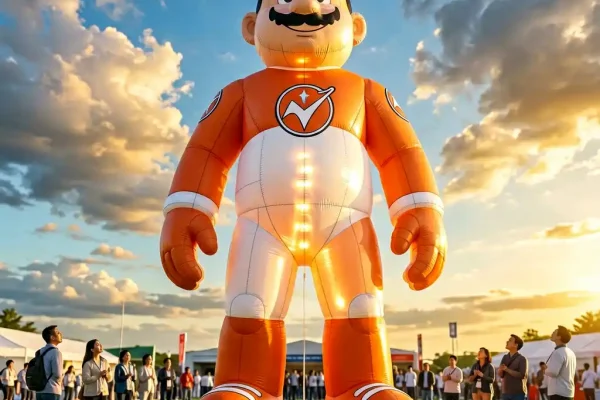
| Giant Inflatable Pikachu | 2 Weeks (Rush) | Mall grand opening — used standard mold + rapid printing process |
| Celestial Gateway | 8 Weeks (Standard) | Theme park entrance sculpture — full quality control throughout |
| Baozi Brand Mascot | 4 Weeks (Standard) | F&B brand IP — design confirmed up front, passed first time |
Advice for Buyers
- Plan ahead: Start large sculpture projects at least 8-12 weeks before your deadline
- Build in buffer: Add 2 weeks of cushion between the promised delivery and your actual need-by date
- Sample first: Before full production, make one physical sample to confirm everything
- Grade your quality needs: Be clear about which quality metrics matter most and communicate them to the manufacturer
Y Sculptures supports both standard scheduling and rush channel. Learn about our production services, or contact the project team for a timeline assessment. For more detail on the production and engineering stages, read How Custom Sculptures Are Made: From Concept to Installation in 10 Steps.
L
Written by Lisa Wang
Lisa Wang is Production & Quality Manager at Y Sculptures, bringing 14 years of hands-on experience in sculpture manufacturing, material science, and quality control. She leads the factory's ISO-compliant QC process, from raw material inspection to pre-shipment verification. Lisa has managed production for 2,800+ sculptures, ensuring precision in color matching, structural integrity, and surface finishing.
Related Projects
Browse real projects matching this topic
Commercial
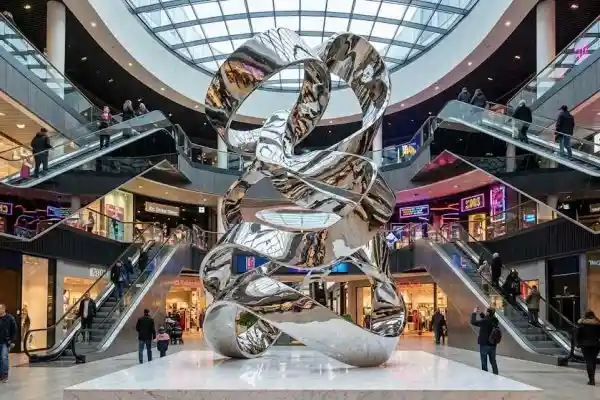
The Celestial Flow – Public Art Sculpture
Inflatable Sculpture
Giant Custom Inflatable Brand Mascot
IP Sculpture
Nebula Neko — Urban Plaza IP Sculpture
Related Insights
Continue reading related articles
Brand Mascot & IP
Oct 13, 2026
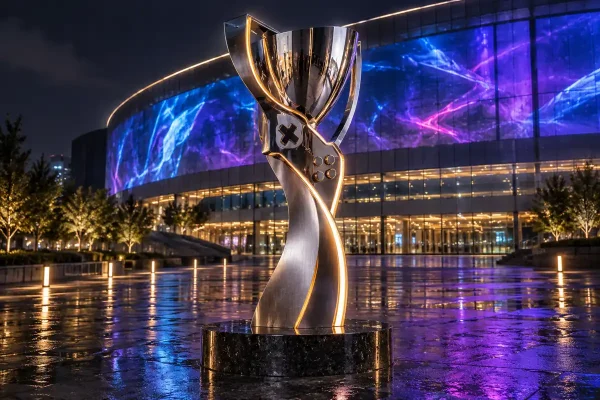
Esports Arena & Gaming Venue Sculpture: Landmarks, Trophies & Mascot Statues
Commercial & Hospitality
Oct 13, 2026
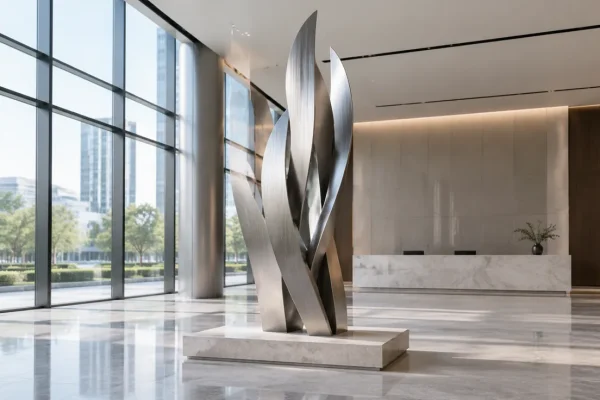
Corporate Lobby & Office Sculpture: Commissioning Guide for Developers
Custom Sculpture Insights & Guides
Oct 13, 2026
How Long Do Outdoor Sculptures Last? Material-by-Material Lifespan Guide
Our Sculpture Solutions
Explore our full range of custom sculpture services

IP Character Replication
Beyond 2D: Why IP Replication Drives Brand Engagement A character that lives only on a screen is easy to scroll...
Learn More →
Large Sculpture Custom
Engineering Monumental Scale A sculpture that stands 15 metres tall is not simply a 1.5-metre maquette scaled up ten times....
Learn More →
Original IP Development
From Concept to Icon Most sculpture enquiries begin with a reference: a licensed character, a film hero, an existing artwork...
Learn More →
Solutions Services
One Factory, Every Sculpture Material A sculpture brief rarely arrives pre-sorted by material. A client sends a reference image, a...
Learn More →
Custom Inflatables
Inflatable Sculptures as Brand Media Most sculptural commissions are permanent assets: they are built once, installed once, and admired for...
Learn More →
FRP & Fiberglass Sculpture Manufacturing
Custom FRP and fiberglass sculpture manufacturer - design, fabrication, and finishing.
Learn More →
Stainless Steel & Metal Sculpture Manufacturing
Custom stainless steel, bronze, corten, and aluminum sculpture manufacturer.
Learn More →
Theme Park Sculpture Services – Custom Amusement Park Statues
Custom Theme Park Sculptures – Bringing Imagination to Life Theme parks, amusement parks, zoos, and entertainment destinations thrive on immersive...
Learn More →
Commercial Sculpture Services – Custom Brand Mascots & Mall Art
Custom Commercial Sculptures – Elevate Your Brand & Space In today's competitive retail and commercial environment, first impressions matter. Commercial...
Learn More →