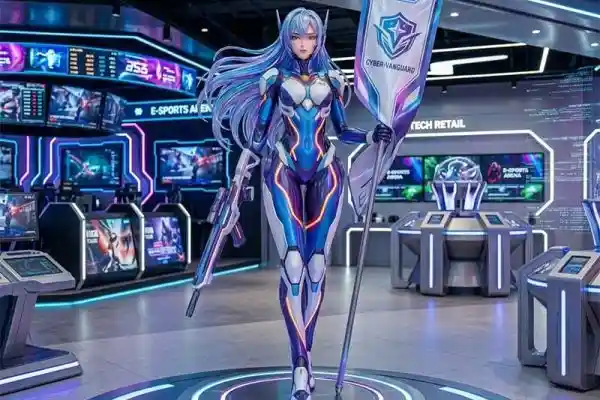
IP Sculpture


When commissioning custom sculptures from overseas manufacturers — particularly in China, a global hub for sculpture fabrication — protecting your intellectual property (IP) is not an afterthought; it is the foundation of a successful partnership. Without deliberate safeguards, your original design, brand identity, and competitive advantage can be exposed to counterfeiting, unauthorized reproduction, or outright theft. This guide outlines practical, legally sound strategies to secure your IP when sourcing custom sculptures from overseas manufacturers. See IP sculpture ROI case studies Explore sculpture procurement models We walk through the complete fabrication process in our manufacturing guide: Custom Sculpture Manufacturing: 7-Step Process Guide.
The sculpture fabrication industry operates on trust, but trust alone does not hold up in court. Foreign manufacturers may work with multiple clients in the same vertical, and without clear ownership boundaries, your unique design could reappear as a competitor’s centerpiece. A structured IP protection approach ensures that your creative investment remains yours — and that your manufacturer is both capable of safeguarding your work and contractually bound to do so.
Before sharing design briefs, concept sketches, 3D models, or technical specifications, require a signed NDA. A robust NDA should cover:
Tip: Most reputable Chinese sculpture manufacturers are familiar with English-language NDAs. Work with a bilingual legal professional to ensure the NDA is enforceable under both your home jurisdiction and Chinese law.
In China, copyright protection arises automatically upon creation, but registration significantly strengthens your legal standing. The National Copyright Administration of China (NCAC) offers voluntary registration that creates a public record of ownership and is powerful evidence in infringement disputes.
Your manufacturing contract must include explicit design ownership provisions. Ambiguity in this area is the most common source of disputes. Key elements include:
A contract is only as strong as its enforcement. Conducting a factory audit — either in person or via a trusted third party — reveals whether your manufacturer maintains the security practices necessary to protect your IP.
China’s IP legal framework has matured significantly, but it operates differently from Western systems. Understanding these fundamentals helps you negotiate with confidence:
Beyond legal documents, adopt these operational tactics:
Leading brands and artists who commission custom sculptures consistently invest in IP protection. Our work on the The Pinnacle — Iconic IP Sculpture Commissio
demonstrates how a structured IP framework preserves brand equity from concept to installation. Similarly, the Cyber Vanguard IP Character Sculptureproject exemplifies secure handling of original character designs throughout the overseas manufacturing process. The full fabrication workflow, including quality checks at each stage, is detailed in How Custom Sculptures Are Made: From Concept to Installation in 10 Steps.
IP protection when sourcing custom sculptures from overseas is not about distrust — it is about professionalism. A clear, enforceable IP framework protects both you and the manufacturer by defining boundaries, responsibilities, and expectations. When both parties understand exactly what is owned, what is permitted, and what is prohibited, the partnership thrives on clarity rather than ambiguity.
For a deeper look at how we help clients develop and protect original IP assets from the earliest concept stage, explore our Original IP Development service. Whether you are launching a brand mascot, a public art installation, or a proprietary character line, building IP protection into your sourcing strategy from the start is the single most important decision you can make.
Lisa Wang is Production & Quality Manager at Y Sculptures, bringing 14 years of hands-on experience in sculpture manufacturing, material science, and quality control. She leads the factory's ISO-compliant QC process, from raw material inspection to pre-shipment verification. Lisa has managed production for 2,800+ sculptures, ensuring precision in color matching, structural integrity, and surface finishing.
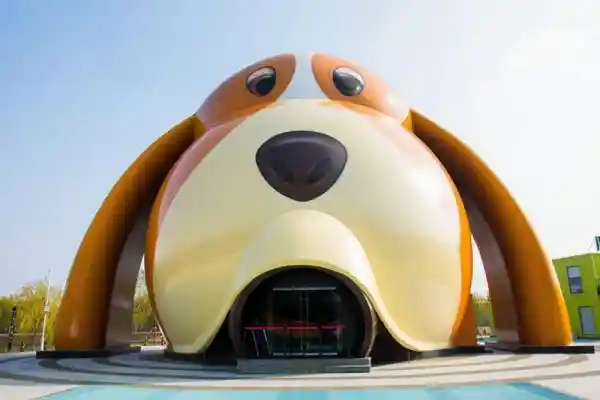
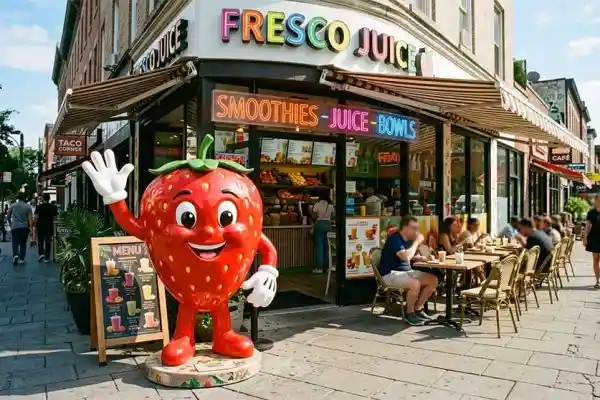
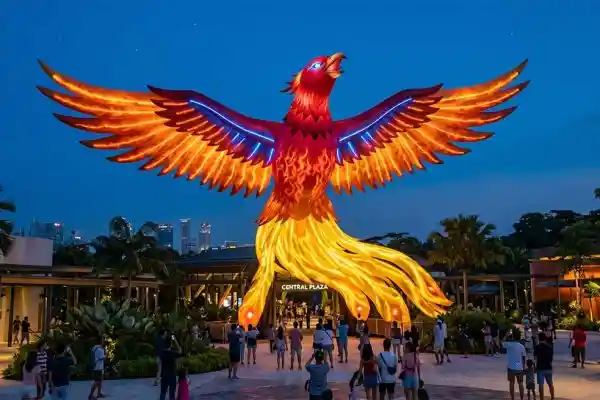
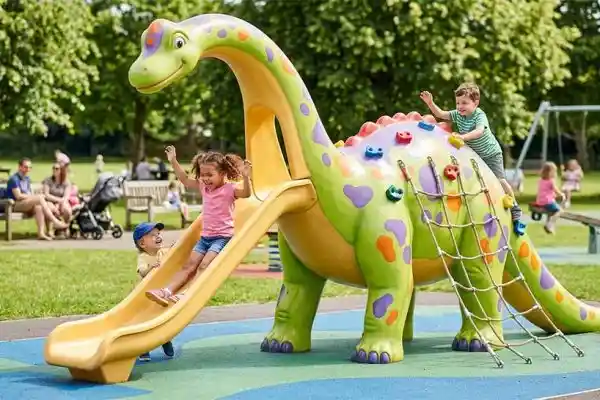
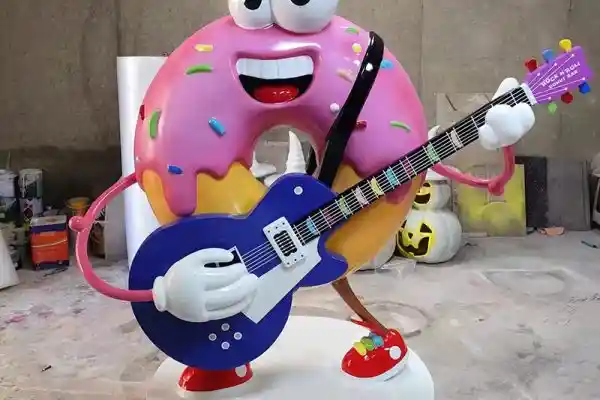
Browse real projects matching this topic
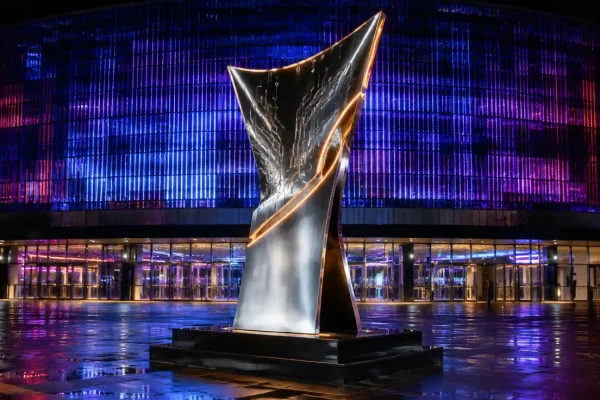
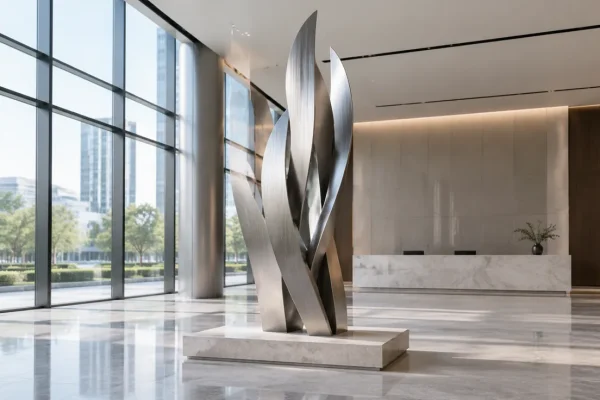
Continue reading related articles
Explore our full range of custom sculpture services

Beyond 2D: Why IP Replication Drives Brand Engagement A character that lives only on a screen is easy to scroll...
Learn More →
Engineering Monumental Scale A sculpture that stands 15 metres tall is not simply a 1.5-metre maquette scaled up ten times....
Learn More →
From Concept to Icon Most sculpture enquiries begin with a reference: a licensed character, a film hero, an existing artwork...
Learn More →
One Factory, Every Sculpture Material A sculpture brief rarely arrives pre-sorted by material. A client sends a reference image, a...
Learn More →
Inflatable Sculptures as Brand Media Most sculptural commissions are permanent assets: they are built once, installed once, and admired for...
Learn More →
Custom FRP and fiberglass sculpture manufacturer - design, fabrication, and finishing.
Learn More →
Custom stainless steel, bronze, corten, and aluminum sculpture manufacturer.
Learn More →
Custom Theme Park Sculptures – Bringing Imagination to Life Theme parks, amusement parks, zoos, and entertainment destinations thrive on immersive...
Learn More →
Custom Commercial Sculptures – Elevate Your Brand & Space In today's competitive retail and commercial environment, first impressions matter. Commercial...
Learn More →