Gardens & Resorts

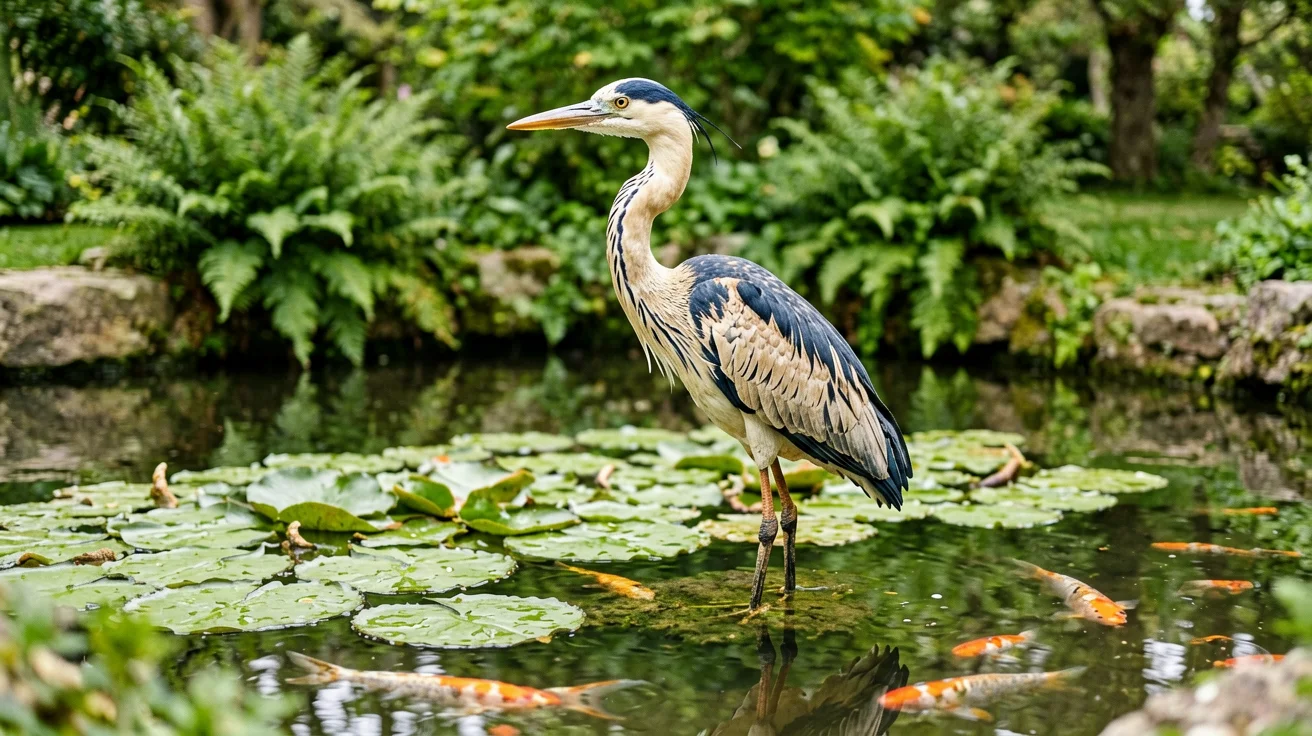
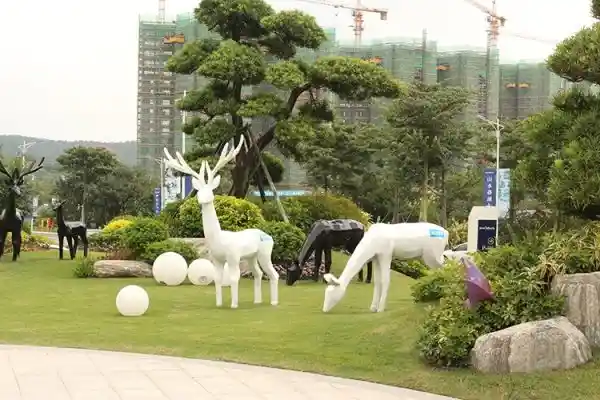
Animal sculptures bring life, whimsy, and a natural focal point to any garden space. Figurative animals resonate with visitors on an emotional level — they suggest movement, personality, and story. A well-placed heron by a pond, a playful hare near a flower border, or a dignified owl perched on a fence post can transform an ordinary garden into a memorable landscape.
The key is integration. Animal sculptures should coexist with planting. Choose animals whose natural habitats echo your garden style: water birds for ponds, forest creatures for woodland borders, pasture animals for open lawns. Scale matters — a life-size cow commands a large yard, while a delicate hare works in a cottage garden.
Animal sculptures introduce organic curves that soften hardscaping. They draw the eye along sightlines and create pause points along garden paths. For clients commissioning custom pieces, we recommend starting with a single statement animal rather than a scattered collection.
The great blue heron is perhaps the most iconic garden bird sculpture. Its tall, elegant stance and long neck create a striking vertical element. Herons pair naturally with koi ponds, reflecting pools, and waterside plantings. A bronze or FRP heron captured mid-stride through shallow water adds narrative movement.
For smaller water features, consider a diminutive egret or kingfisher sculpture that works in birdbaths and fountain basins.
Owls bring wisdom and quiet mystery to garden corners. They are effective when positioned on a wooden post, fence rail, or low tree stump — placements that mimic their natural perching behavior. An owl sculpture at dusk or in a shaded border feels at home, while a mirror-finish stainless steel version catches moonlight.
The contemplative nature of the owl pairs well with secluded seating areas.
Hares and rabbits are among the most beloved garden animal subjects. Their alert, listening posture — ears up, body low — captures curiosity that gardeners immediately recognize. A hare sculpture nestled among foxgloves, hostas, or lavender feels authentically placed.
Hare sculptures work at multiple scales. A compact 40 cm figure fits in a raised bed, while a life-size 1.2 m hare becomes a lawn centerpiece.
Dog sculptures carry deep personal meaning as living memorials to beloved pets. A sitting collie beside a flower bed, a playful puppy near a pathway, or an alert border collie watching over a lawn all communicate loyalty and companionship.
For new commissions, we work from photographs provided by the client to capture the unique markings and posture of their pet.
Cows, sheep, and other pasture animals suit rural, estate, and large-lawn settings. A grazing sheep group near a stone wall, a mother cow with calf in an open meadow, or a line of grazing cattle along a driveway all create pastoral narratives.
Corten steel cattle with their rust patina are increasingly popular for modern rural landscapes.
Choosing the right material determines both the look and the longevity of your garden sculpture.
Fiberglass-reinforced plastic (FRP) is the most popular material for garden animal sculptures. It is lightweight — typically one-third the weight of bronze or stone — which simplifies handling and installation. FRP accepts intricate detail, allowing us to reproduce fur textures, feather patterns, and facial expressions with high fidelity.
For outdoor use, we apply a multi-layer paint system with UV-resistant topcoats and clear sealant. When maintained properly, an FRP garden animal retains its colour for 15-20 years. See our FRP outdoor durability guide for full technical details.
Mirror-polished stainless steel animal sculptures create a contemporary contrast against natural garden settings. The reflective surface captures and distorts the surrounding planting, sky, and seasonal light. A stainless steel heron reflects the pond it stands beside; a steel owl mirrors the twilight sky.
The primary advantage is maintenance: stainless steel requires no painting, no sealing, and resists corrosion naturally. The trade-off is higher cost and a more industrial aesthetic.
Corten steel develops a stable rust patina that deepens in colour over time. This weathered appearance pairs naturally with garden soil, wood, and stone. Corten animal sculptures evoke a rustic, pastoral quality.
Like stainless steel, Corten is essentially maintenance-free after the initial weathering period. The patina seals itself and prevents further corrosion. For a detailed cost breakdown across materials, refer to our material cost comparison article.
Proper placement makes the difference between a sculpture that anchors a garden and one that looks randomly positioned.
Sightlines: Position animal sculptures where they are naturally encountered — at a bend in the path, at the end of a lawn view, or beside a seating area. A heron should be visible from the kitchen window or patio.
Base integration: For garden animals, we often recommend omitting the plinth entirely and setting the figure directly into a planted bed or mulch ring. This grounds the animal in its environment. A heron standing in ornamental grass looks far more natural than one mounted on a stone block.
Scale relationships: A 60 cm hare commands attention in a small border but disappears on a sprawling lawn. For pond-side herons, 1.0-1.4 m height is the sweet spot for residential gardens.
Anchoring: Lightweight FRP sculptures in exposed positions need mechanical anchoring. We embed threaded rods into the base during fabrication and secure them to a concrete footing to prevent wind-toppling.
Outdoor animal sculptures face UV exposure, temperature swings, rain, and freezing conditions.
UV protection: FRP sculptures should be recoated with a UV-resistant clear sealant every 3-5 years to prevent pigment fading.
Cleaning: A simple annual rinse with a garden hose removes dust, pollen, and bird droppings. For stubborn organic growth, use a soft brush with mild soapy water — never pressure washers, which can damage paint finishes.
Winter care: In freeze-thaw climates, ensure water does not pool in hollow bases. Stainless steel and Corten are unaffected by cold, but FRP benefits from a light wax coating before winter.
For a complete overview of FRP vs stainless steel vs bronze material guide, consult our materials guide.
FRP offers the best balance of detail, affordability, and weight for most garden animal sculptures. Stainless steel is ideal for a modern, maintenance-free statement piece. Corten steel suits rustic and pastoral settings. Bronze remains the premium choice for heirloom-quality memorial sculptures.
Yes — when properly manufactured and finished. Our outdoor FRP sculptures use marine-grade resin, multi-layer gelcoat, and UV-stabilized topcoats. The painted finish typically remains vibrant for 15-20 years with minimal maintenance.
Lightweight FRP figures should be anchored during installation. We recommend casting a concrete footing or securing a heavy base plate to a paved area, then bolting the sculpture through pre-embedded threads in the base.
For most home ponds, a heron sculpture between 1.0 m and 1.4 m tall creates the right visual balance. The sculpture should be positioned 30-50 cm above the waterline so the legs appear to wade naturally. Smaller ponds work better with egret-scale figures at 60-80 cm.
Custom garden animal sculptures typically range from $3,000 to $15,000 depending on size, material, and detail level. A small FRP hare (60 cm) starts around $3,000-$5,000. A life-size FRP cow or horse runs $6,000-$10,000. Mirror-polished stainless steel adds 40-60% to the base price. For detailed custom sculpture pricing, see our cost guide.
Lisa Wang is Production & Quality Manager at Y Sculptures, bringing 14 years of hands-on experience in sculpture manufacturing, material science, and quality control. She leads the factory's ISO-compliant QC process, from raw material inspection to pre-shipment verification. Lisa has managed production for 2,800+ sculptures, ensuring precision in color matching, structural integrity, and surface finishing.
Browse real projects matching this topic
Continue reading related articles
Explore our full range of custom sculpture services

Beyond 2D: Why IP Replication Drives Brand Engagement A character that lives only on a screen is easy to scroll...
Learn More →
Engineering Monumental Scale A sculpture that stands 15 metres tall is not simply a 1.5-metre maquette scaled up ten times....
Learn More →
From Concept to Icon Most sculpture enquiries begin with a reference: a licensed character, a film hero, an existing artwork...
Learn More →
One Factory, Every Sculpture Material A sculpture brief rarely arrives pre-sorted by material. A client sends a reference image, a...
Learn More →
Inflatable Sculptures as Brand Media Most sculptural commissions are permanent assets: they are built once, installed once, and admired for...
Learn More →
Custom FRP and fiberglass sculpture manufacturer - design, fabrication, and finishing.
Learn More →
Custom stainless steel, bronze, corten, and aluminum sculpture manufacturer.
Learn More →
Custom Theme Park Sculptures – Bringing Imagination to Life Theme parks, amusement parks, zoos, and entertainment destinations thrive on immersive...
Learn More →
Custom Commercial Sculptures – Elevate Your Brand & Space In today's competitive retail and commercial environment, first impressions matter. Commercial...
Learn More →